
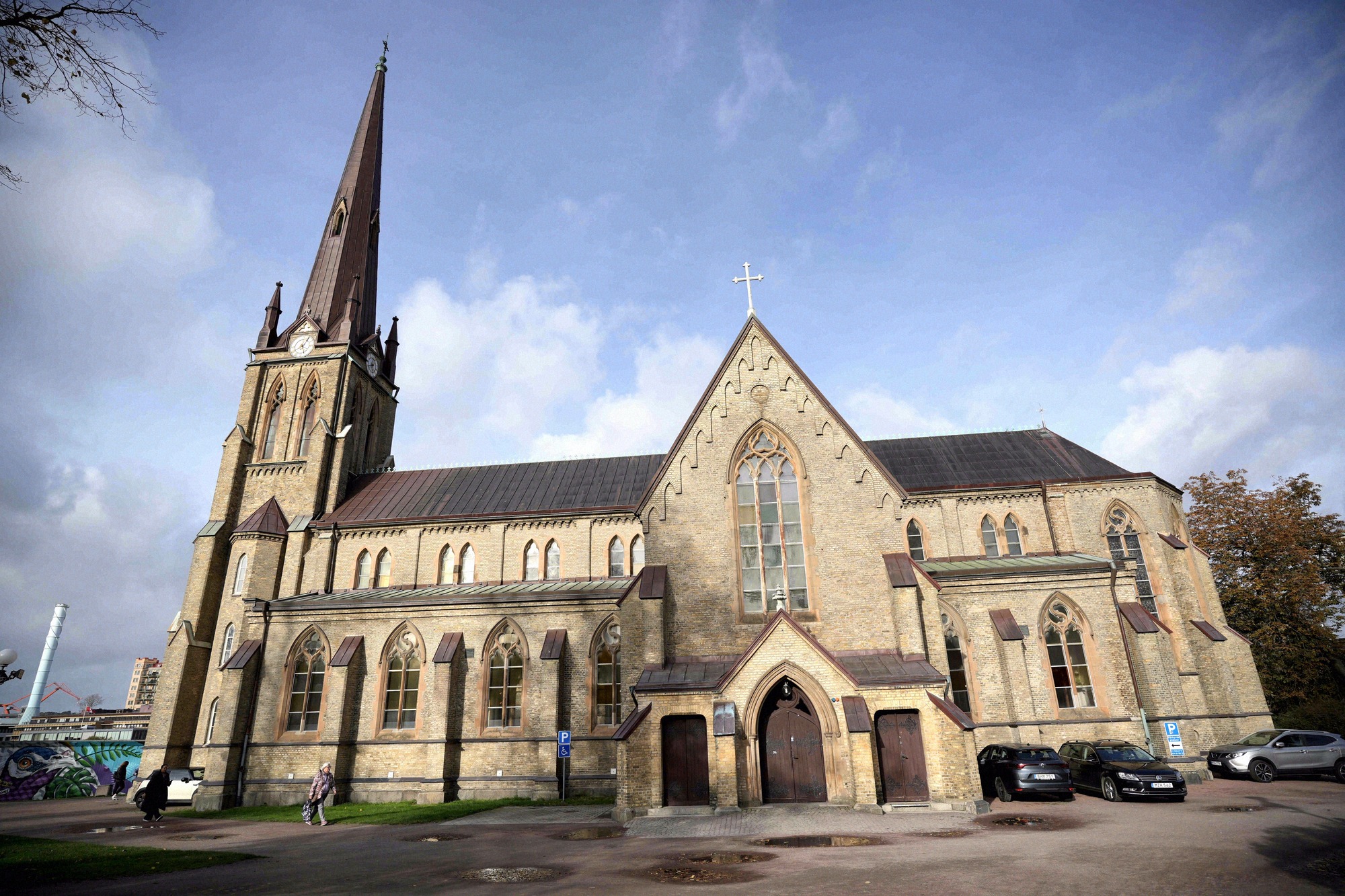
Haga
Oldest working-class quarter with cobbled streets and fika
Overview
The five central neighbourhoods of Gothenburg at a glance, from Haga and the old town Inom Vallgraven to the grand boulevard Avenyn, trendy Linnéstaden and bohemian Majorna.
Oldest working-class quarter with cobbled streets and fika
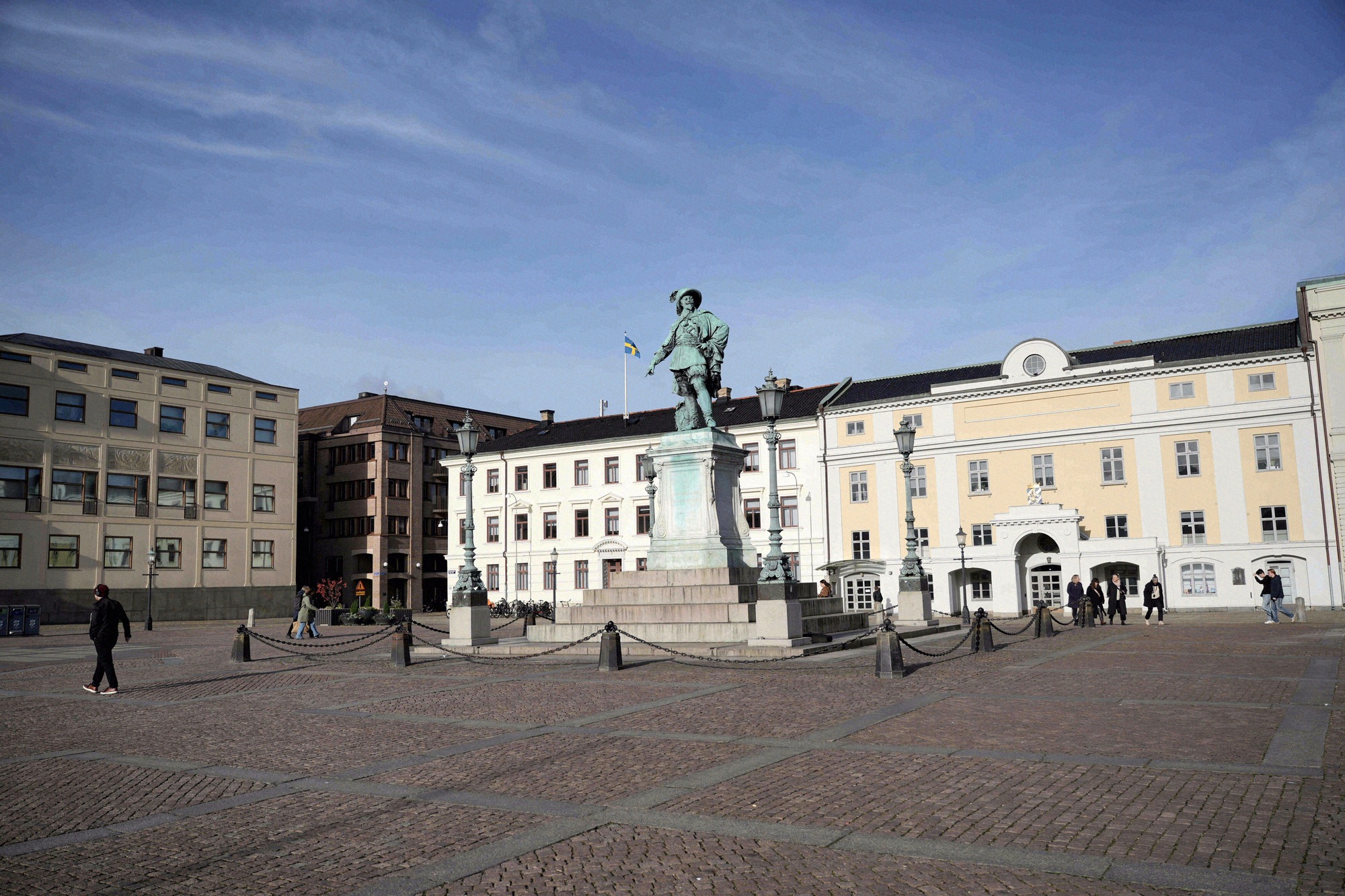
Historic town centre with canals and shopping
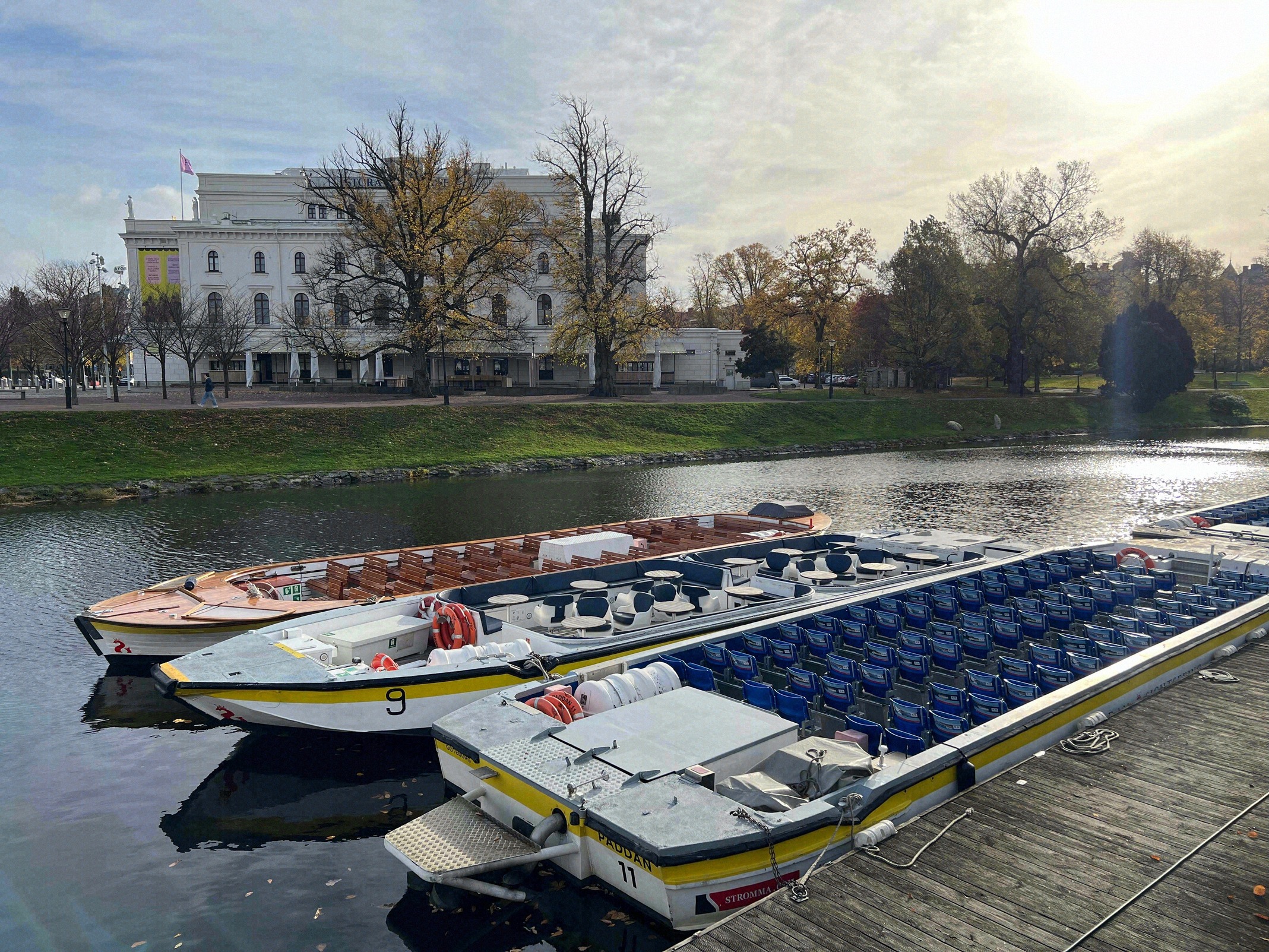
19th-century boulevard and museum quarter
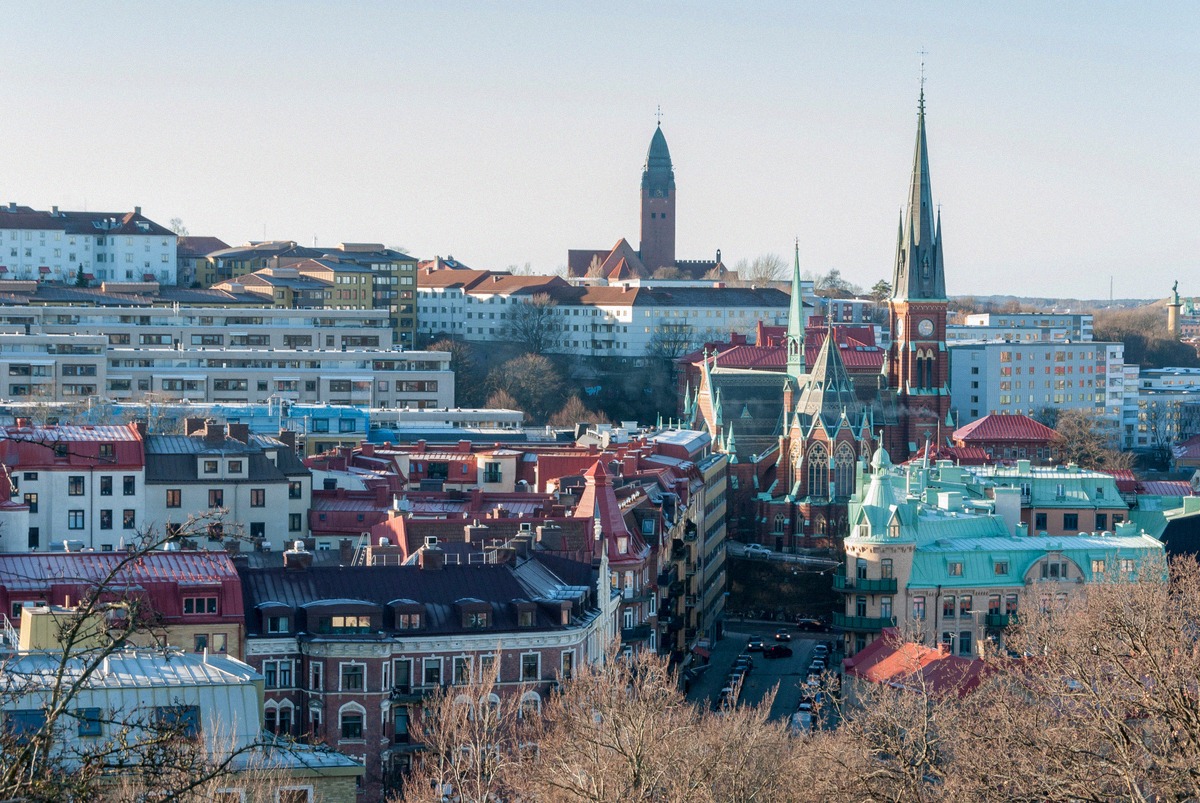
Trendy quarter around Linnégatan
Bohemian harbour and working-class quarter
No results found.
Gothenburg is compact, and its most rewarding neighbourhoods sit close together around the centre. The historic core is Inom Vallgraven, the old town "within the moat" founded in 1621, with its canals, bridges and grand shopping streets. Here the city's most important historic sights stand close together: the Domkyrka, the city's oldest building Kronhuset, and the fish market hall Feskekôrka.
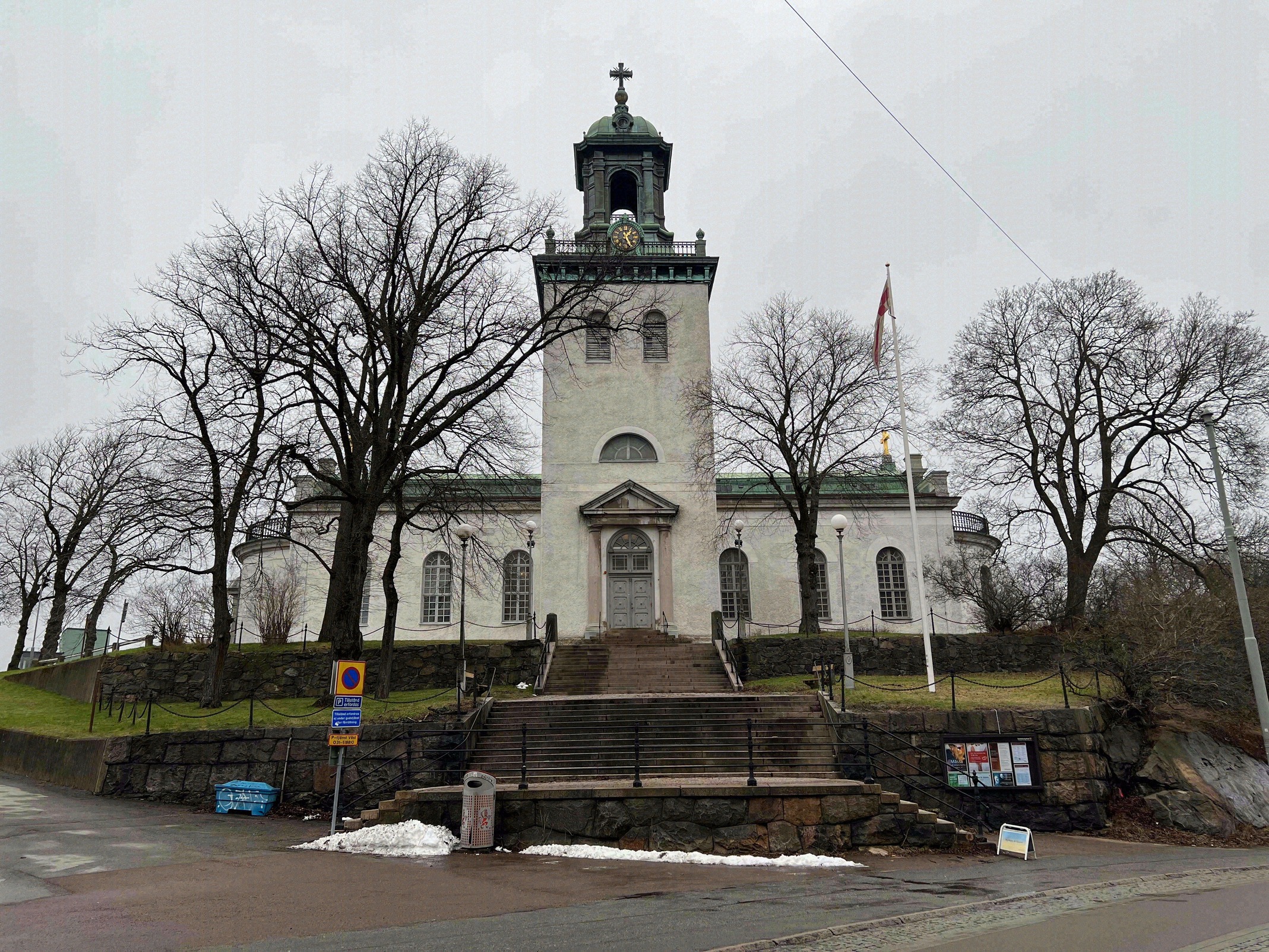
Just beyond the former ramparts lies Haga, the oldest surviving residential quarter and today the cosiest part of the city. The car-free Haga Nygata, lined with Landshövding houses, is the best spot for fika; above the neighbourhood rises the fortress Skansen Kronan, with Hagakyrkan right beside it. Things get grander in Avenyn & Vasastan: the 19th-century boulevard Kungsportsavenyn (about 1 km) runs up to Götaplatsen with its Poseidon statue and major cultural venues.
To the west come the two livelier neighbourhoods: trendy Linnéstaden around Linnégatan, which borders directly on the city park Slottsskogen and the Botanical Garden, and bohemian Majorna, shaped by its harbour history, home to the landmark Masthuggskyrkan.
The best of Gothenburg's neighbourhoods is free: wandering through Haga, strolling along the canals of Inom Vallgraven, walking up Avenyn, or visiting the free animal enclosures with penguins and seals in Slottsskogen, none of it costs anything. The three churches (Hagakyrkan, Domkyrka, Masthuggskyrkan) can all be visited free of charge, as can the courtyard of Kronhuset and the market hall Feskekôrka. At the Botanical Garden, the garden itself is free to enter (a voluntary donation is appreciated); only the greenhouses cost 30 SEK.
Admission is charged mainly on Avenyn: the Gothenburg Museum of Art and the design museum Röhsska museet each cost 75 SEK for a day ticket; under-20s and students are free, and payment is card only. The view from the Skansen Kronan hill is free, only the building itself is now used privately as an events venue and isn't open for casual visits.
The neighbourhoods combine well on foot and with just a few tram rides: from Haga it's only a few minutes to Linnéstaden and to the old town. If you want to stay somewhere central, Inom Vallgraven makes the best base; for a more local feel, try Linnéstaden or Majorna. Note that the churches keep different, sometimes seasonally changing hours, a blanket "open daily" doesn't apply, and visits are restricted during services. The museums on Avenyn are closed on Mondays. Check opening hours and prices (as of 2026) before you visit.