
Kungsportsavenyn
Grand boulevard from the canal to Götaplatsen
Kungsportsavenyn, known to everyone as the Avenyn, is Gothenburg's central boulevard: about 1 km from the canal to Götaplatsen, lined with cafés, restaurants and bars.
Contents
Gothenburg's grand boulevard
Kungsportsavenyn, known to everyone simply as the Avenyn, is Gothenburg's central grand boulevard and the social backbone of the city. About 1,000 metres long (the boulevard section proper measures around 840 metres) and a generous 40 metres wide, it runs dead straight from the Kungsportsbron bridge at the moat (Vallgraven) up to Götaplatsen. As a public street, the Avenyn is free and open at all times, it's less a single sight than the stage on which city-centre life plays out.
It takes its name from the Kungsporten (King's Gate), a gate in the old city fortifications that once stood here and was demolished in the 19th century.
History: from residential street to boulevard
The Avenyn grew out of Sweden's first urban planning competition, held in 1861, as the city's first affluent residential district outside the old fortifications. Construction began in the 1860s and continued into the 1930s. Its model was Paris's Champs-Élysées and Vienna's Ringstrasse, hence the grand, tree-lined result. It started out as an exclusive residential street for wealthy merchants.
The first landmark building was the Stora Teatern, a Neo-Renaissance theatre and opera house from 1859. In 1923 the Avenyn was extended north to Götaplatsen, giving it the cultural endpoint it has today. Over the course of the 20th century its character shifted from a genteel residential street to the nightlife strip it is now, packed with pubs, clubs and restaurants.
Eating, going out and staying
According to the official guide, the Avenyn and its side streets are home to more than 60 restaurants and cafés; the avenyn.se directory lists over a hundred venues of all kinds. The choice ranges from a morning coffee to a midnight club:
- Cafés - Espresso House and da Matteo for classic Swedish fika
- Restaurants - La Gondola (Gothenburg's oldest Italian restaurant), Boqueria (Spanish tapas), Toso and Cheri-Lee (Asian), Familjen and Wärdshuset Tullen (Swedish), plus Hard Rock Cafe and Joe Farelli's
- Nightlife - Yaki-Da (restaurant and nightclub), the multi-storey lounge with rooftop terrace, and the Bio Roy cinema
Several hotels sit right on the street too, including the Elite Park Avenue Hotel, the Hotel Bellora and the Scandic Rubinen. If you want to compare venues and places to stay systematically, see our guides Food and drink in Gothenburg and the best hotels.
Museums, boats and squares along the way
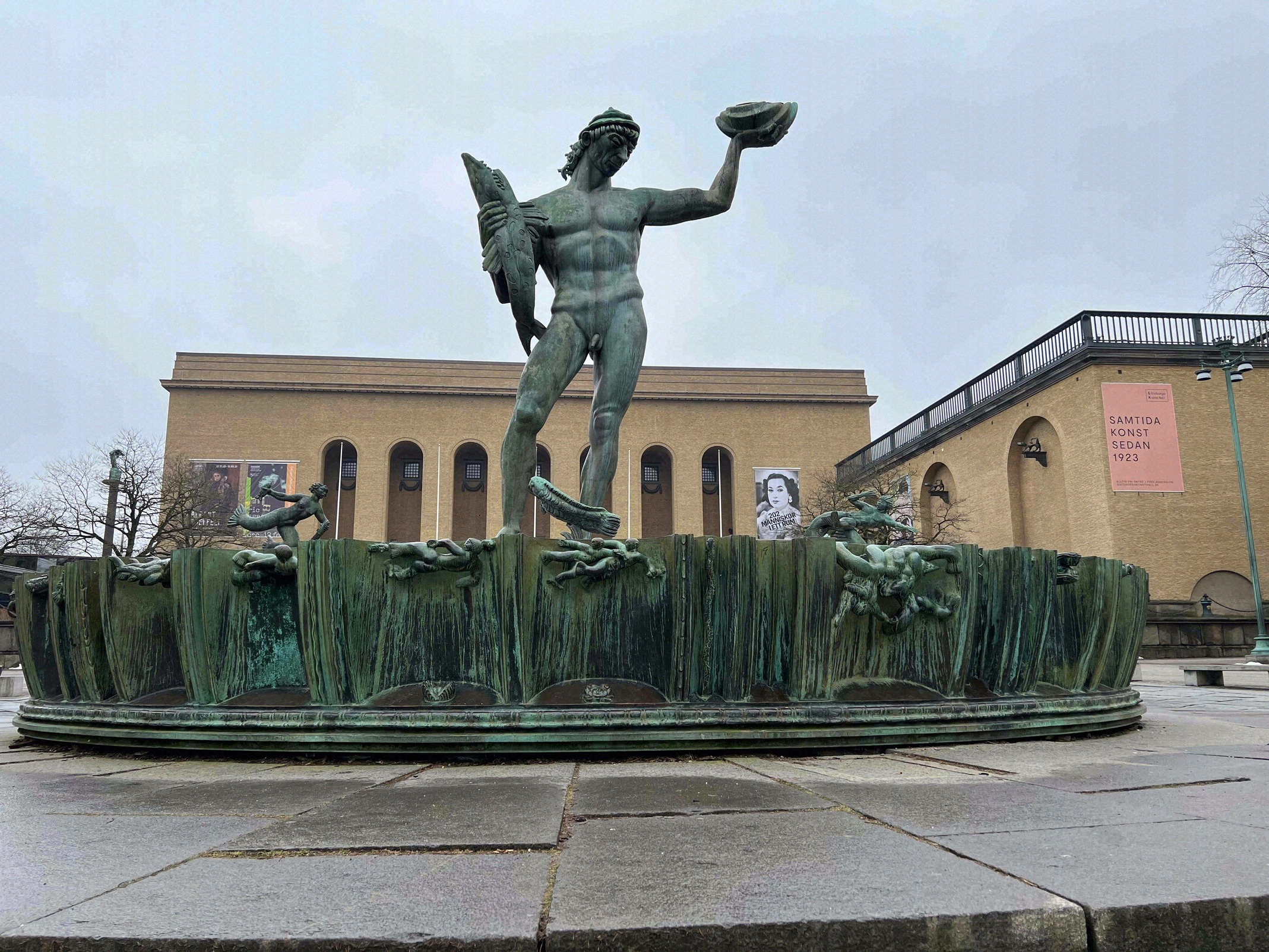
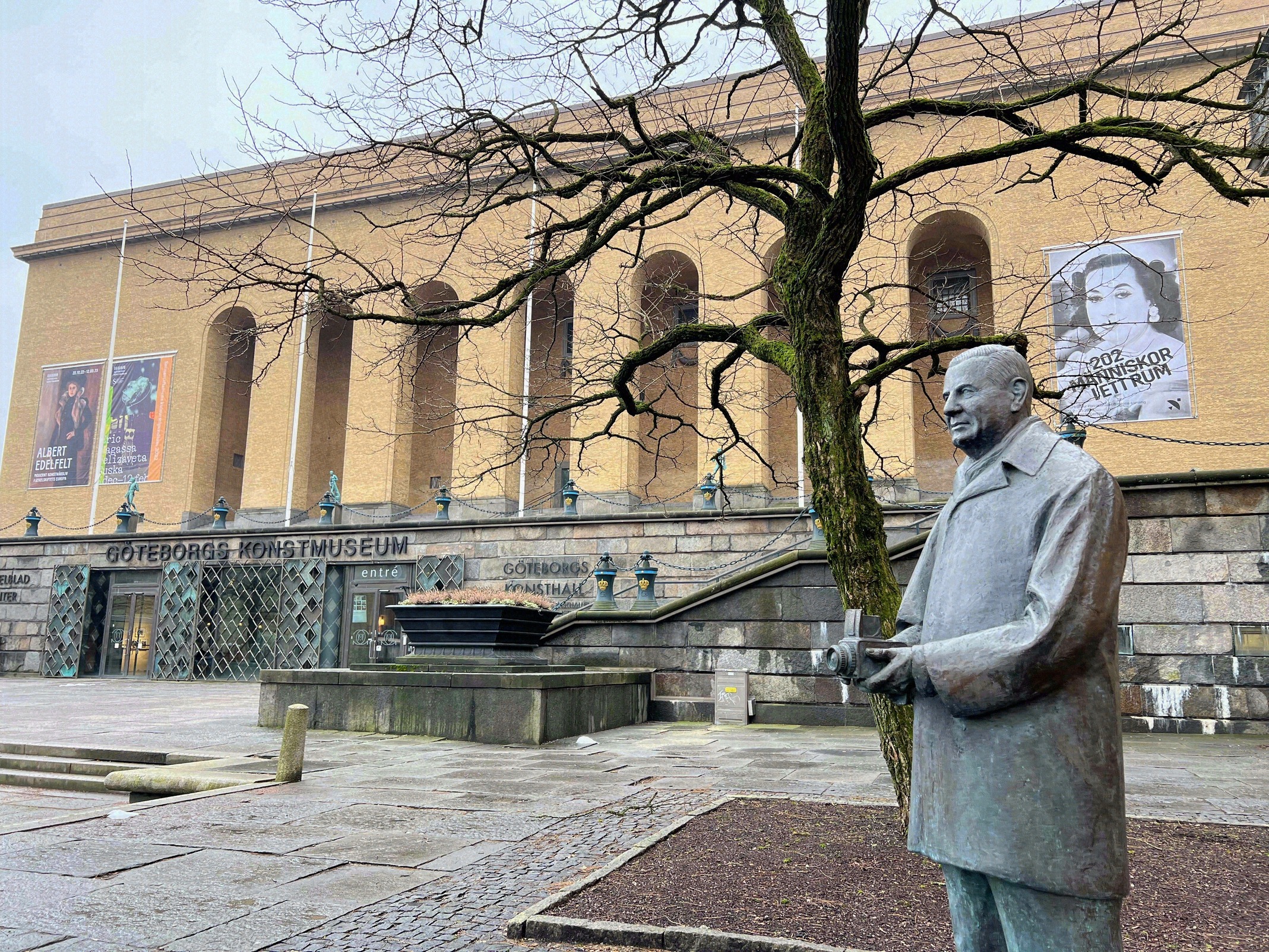
The Avenyn is framed by two notable endpoints. At the top end, Götaplatsen opens out with the Poseidon statue and the Gothenburg Museum of Art (Tue 11:00-18:00, Wed 11:00-20:00, Thu 11:00-18:00, Fri-Sun 11:00-17:00, closed Mondays; 75 SEK, free under 20 and for students). Midway along, on Vasagatan, is the Röhsska Museum of Design (Tue-Wed 11:00-18:00, Thu 11:00-20:00, Fri-Sun 11:00-17:00, closed Mondays; also 75 SEK). For both museums plus the City Museum and the Maritime Museum & Aquarium, the museum pass (150 SEK, valid for one calendar year) is worth considering.
At the bottom end by the canal, the Paddan canal tours (Strömma) depart from Kungsportsplatsen: the boats pass under around 20 bridges through the 17th-century moat and out into the harbour, with a live guide in Swedish and English. The season runs roughly from early April to early November, with tickets available via stromma.com.
Visiting: practical tips
Allow 30 to 60 minutes for a simple stroll; plan more if you're adding a museum visit or a Paddan tour. The Avenyn is most pleasant during the day, especially in the afternoon, when it's easy to wander at leisure and stop for a coffee. Friday and Saturday evenings see bars and clubs fill up, that's when the nightlife is liveliest, though it's also noticeably busier. During the Christmas season (Julstaden) the trees are lit from mid-November, and on 13 December the Lucia procession passes along the Avenyn and Götaplatsen.
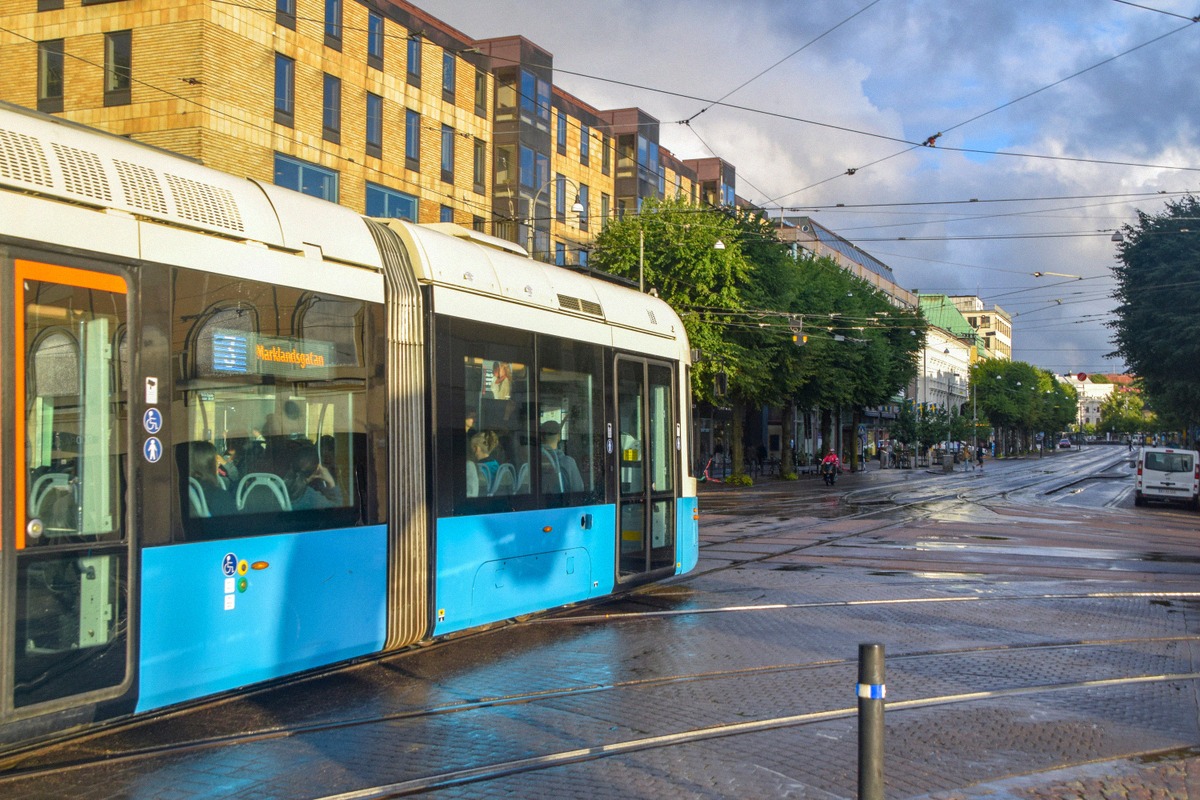
Getting there and parking are both straightforward: the tram stops Kungsportsplatsen (bottom end, by the canal and the Paddan boats) and Valand (midway) sit right on the boulevard, with Berzeliigatan, Grönsakstorget and Götaplatsen also nearby. Several paid car parks, including P-Hus Avenyn (500 spaces), P-hus Heden (721 spaces, with charging points) and the car park at Stora Teatern, handle drivers. For tram routes and tickets, see our guide Getting around Gothenburg; for how the Avenyn fits into the wider city, see Gothenburg's top attractions.
Frequently asked questions
What is the Avenyn? +
What's along the Avenyn? +
Is there an admission charge for the Avenyn? +
When's the best time to visit the Avenyn? +
How do you get to the Avenyn? +
Nearby
Götaplatsen
Götaplatsen at the head of the Avenyn holds the 7-metre Poseidon fountain statue by Carl Milles, framed by the art museum, concert hall and city library.
Gothenburg Museum of Art
The art museum at Götaplatsen holds an outstanding collection of Nordic painting, the highlight is the Fürstenberg Gallery with works by Carl Larsson and Anders Zorn.
Röhsska Museum
Sweden's only design museum, near the Avenyn, holds an open chair store with over 500 chairs, East Asian art and a hall for Nordic design.
Universeum
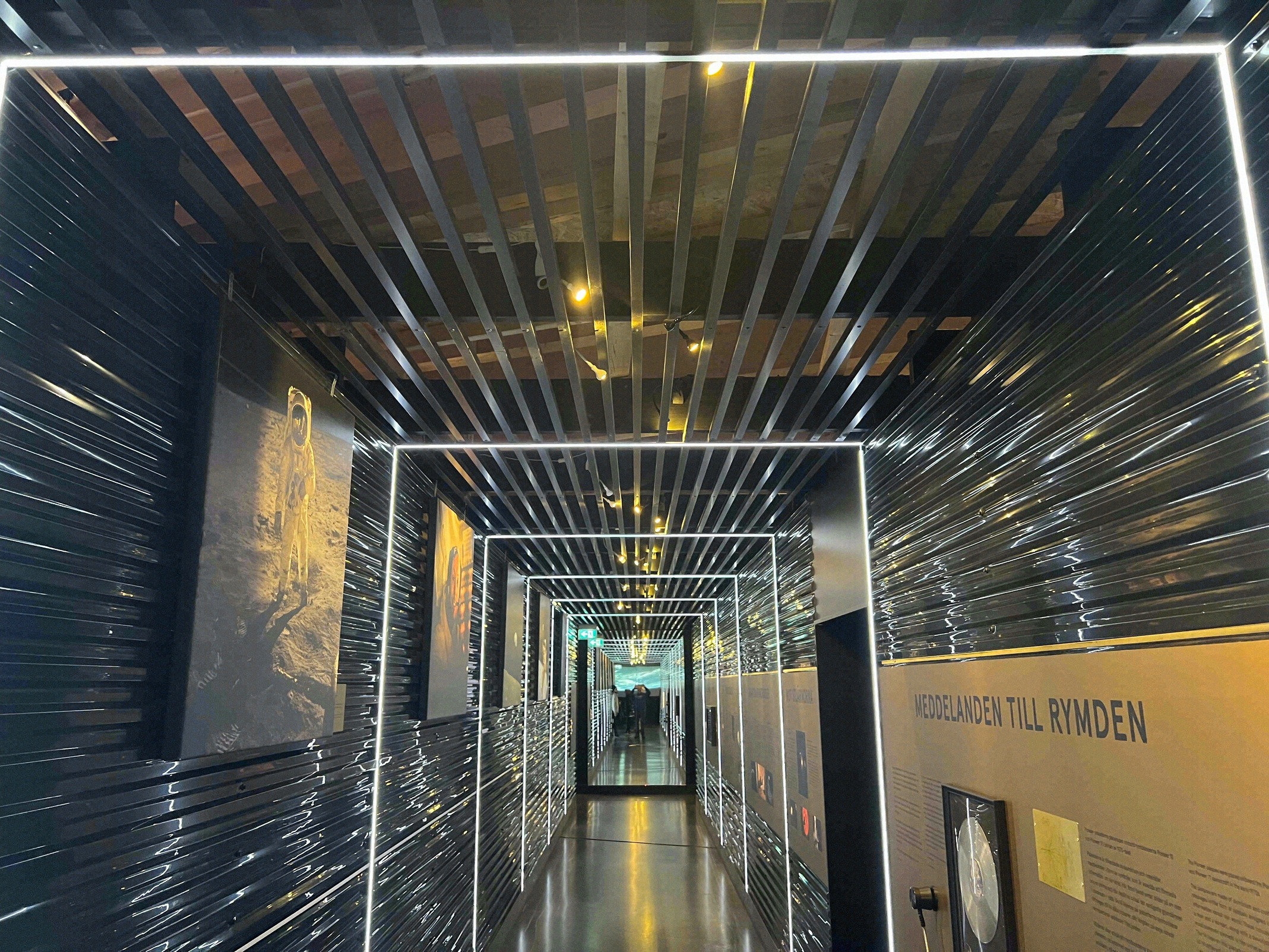
Ten-floor science centre with a living rainforest, a large ocean aquarium full of sharks and countless hands-on stations, one of Gothenburg's most family-friendly attractions.
Trädgårdsföreningen
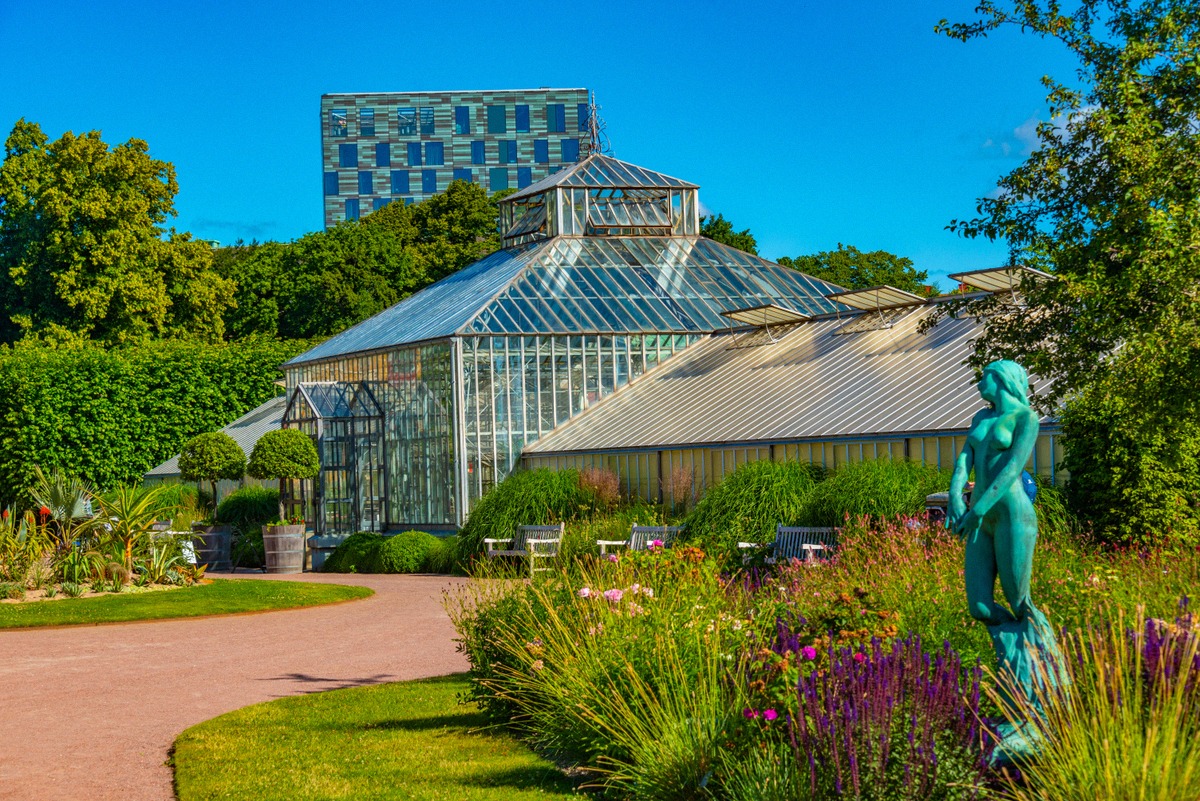
Historic city park from 1842 opposite Gothenburg Central Station, with a large rose garden and an 1878 glass palm house. Free entry to both.
Liseberg
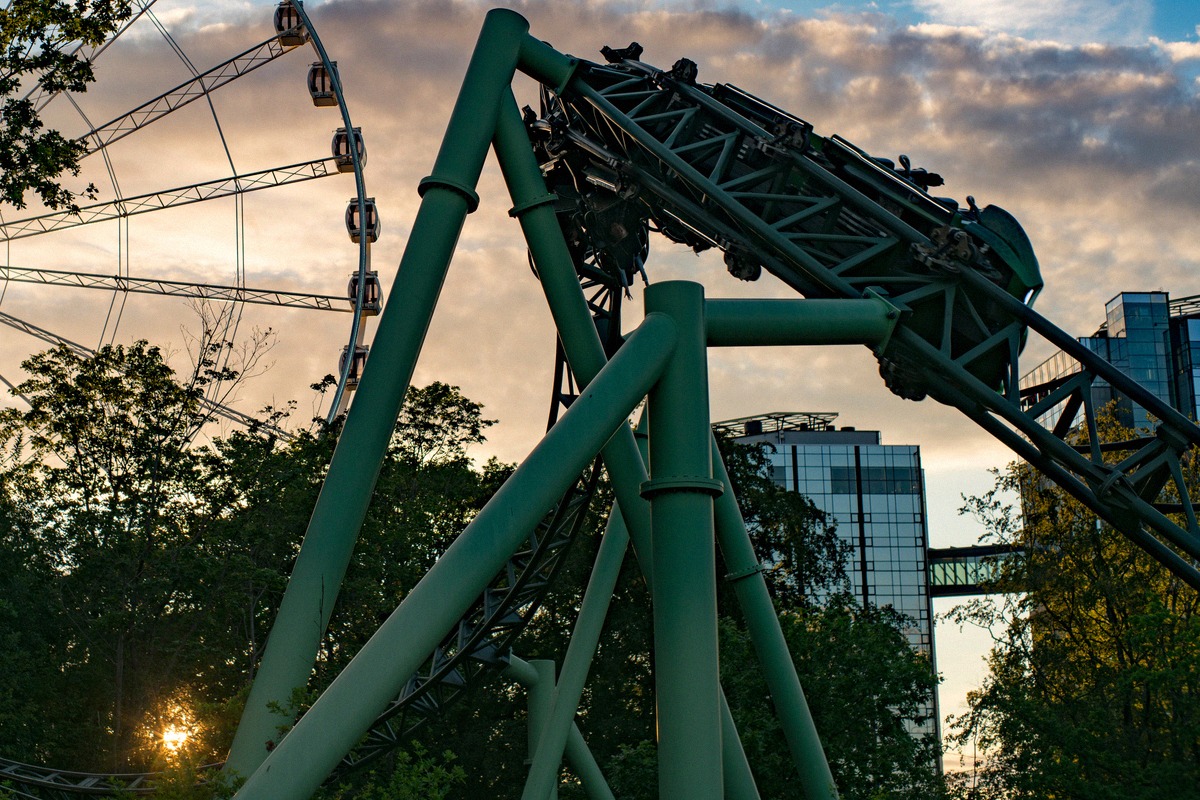
Scandinavia's largest amusement park: historic wooden coasters, modern rides, gardens and open-air concerts. A hit with families in summer, at Halloween and in December.