
Hagakyrkan
Neo-Gothic church by the Haga neighbourhood
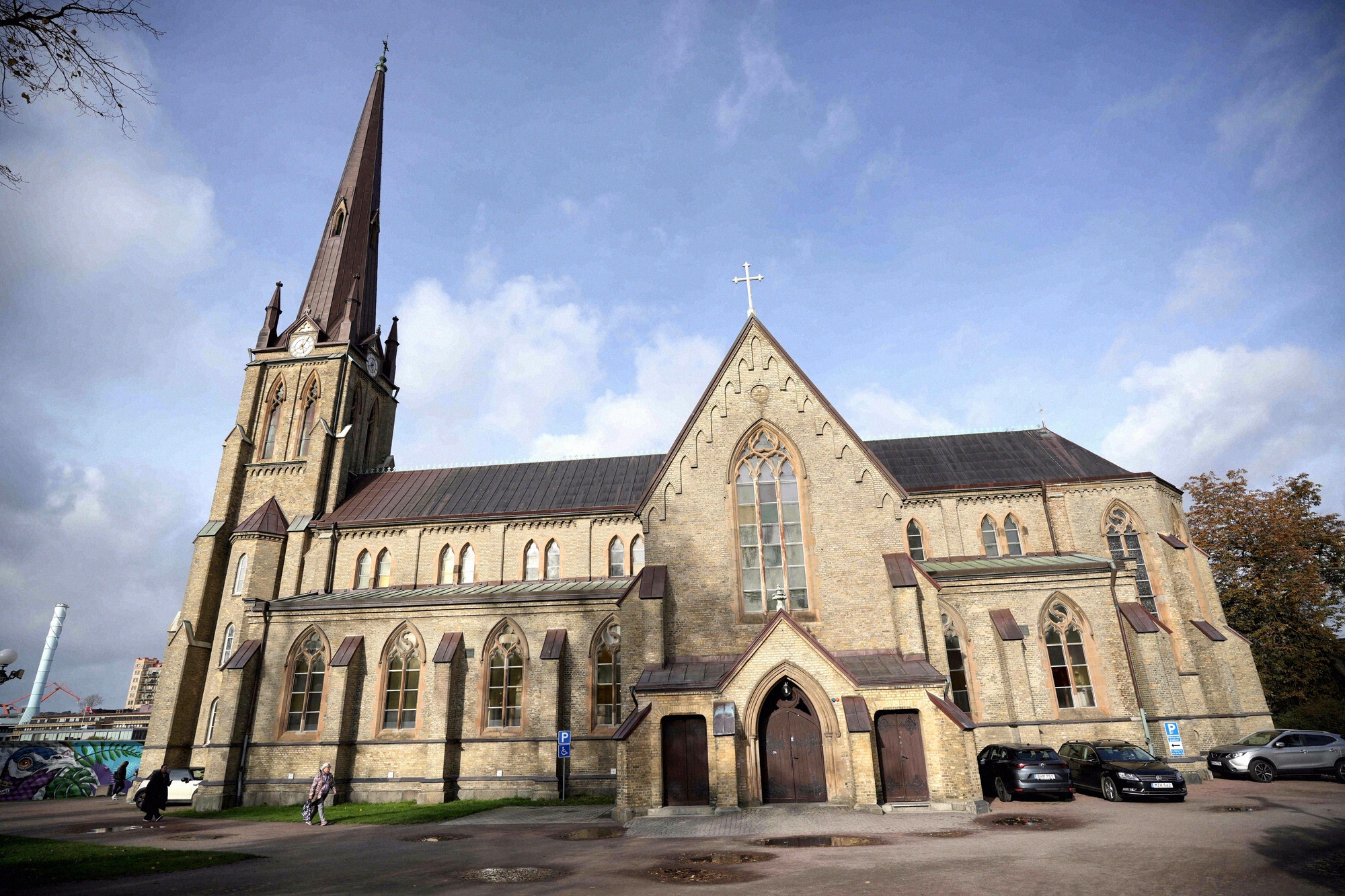
The neo-Gothic brick church from 1859 stands in a small park at the edge of Old Haga, a quiet, free-of-charge start to exploring the neighbourhood.
Contents
Neo-Gothic by the park
Hagakyrkan stands in a small park at the point where the city centre meets the old working-class neighbourhood of Haga. Built in 1856-1859 and consecrated on 27 November 1859, it is one of Sweden's first neo-Gothic churches. The design was drawn up by Adolf Wilhelm Edelsvärd, chief architect of the Royal Swedish Railway Board, with support from Gothenburg architect Adrian Crispin Peterson, the original templates came from England.
The materials tell the same story: a granite foundation from Råda, cast-iron columns, an English slate roof, yellow Flensburg brick, and Scottish sandstone around the portals and window frames. The slender tower rises 49 metres and is an easy walk from Avenyn.
Inside the church
The interior is compact but holds a few details worth seeking out. The chancel's central window is a stained-glass work by Albert Eldh from 1924, alongside Christ sculptures by Carl Ahlborn, wood carvings by August Bark, and a crucifix made in Munich in 1884.
The highlight is the pair of organs: the west organ by Marcussen & Søn (1861, 36 stops) was restored by Åkerman & Lund in 2002-2004. On the north gallery stands an instrument built in 1992 by American organ builder John Brombaugh, inspired by the North German Baroque tradition and carrying 23 stops, one reason concerts and summer music events are held here regularly.
Visiting Hagakyrkan
The church is kept open free of charge, primarily for quiet reflection. According to the parish, that means Monday to Thursday 11:00-15:00 and Saturday 11:00-13:00, with guides on duty some days, though hours can vary seasonally, so the Haga församling's calendar is the one to check. During the Sunday service (11:00), sightseeing is limited. In July and August, there's also summer music with a short reflection on Wednesdays from 12:00, plus a summer café.
15 to 30 minutes is enough for the church itself. Its real appeal is the location: right behind it, Haga Nygata marks the start of the prettiest stretch of the historic neighbourhood. With more time, combine the stop with a wander through Haga, the hilltop fortress Skansen Kronan, or the fish market hall Feskekôrka. If you're drawn to churches, Gothenburg Cathedral in the centre and Masthuggskyrkan above the harbour make two more worthwhile stops.
Frequently asked questions
Where is Hagakyrkan? +
How much does it cost to visit? +
When is the church open? +
Is it worth a visit? +
Nearby
Feskekôrka
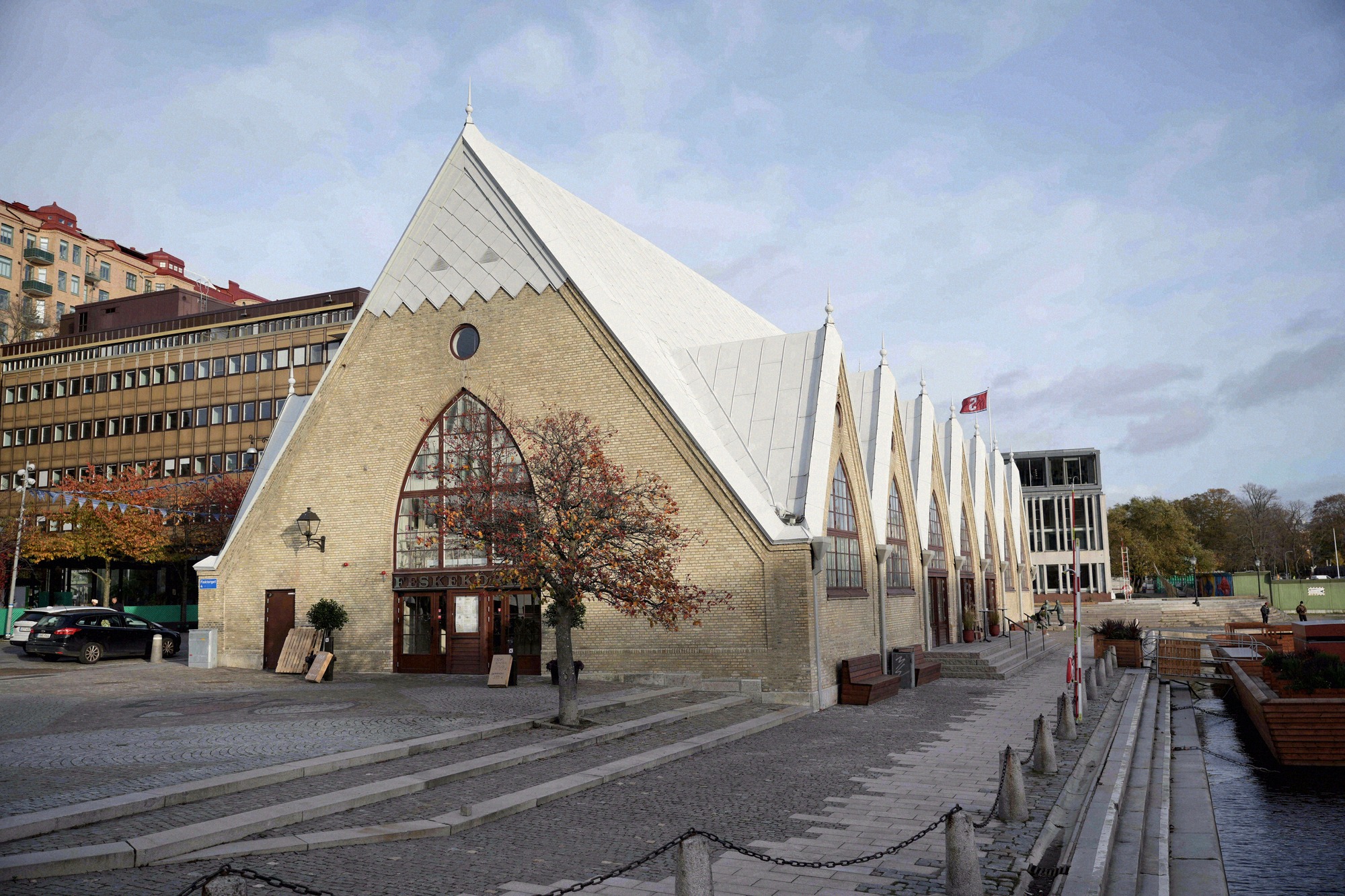
Feskekôrka, Gothenburg's fish church, is a market hall shaped like a neo-Gothic church, fresh fish at the stalls and restaurants on the Rosenlundskanal.
Skansen Kronan
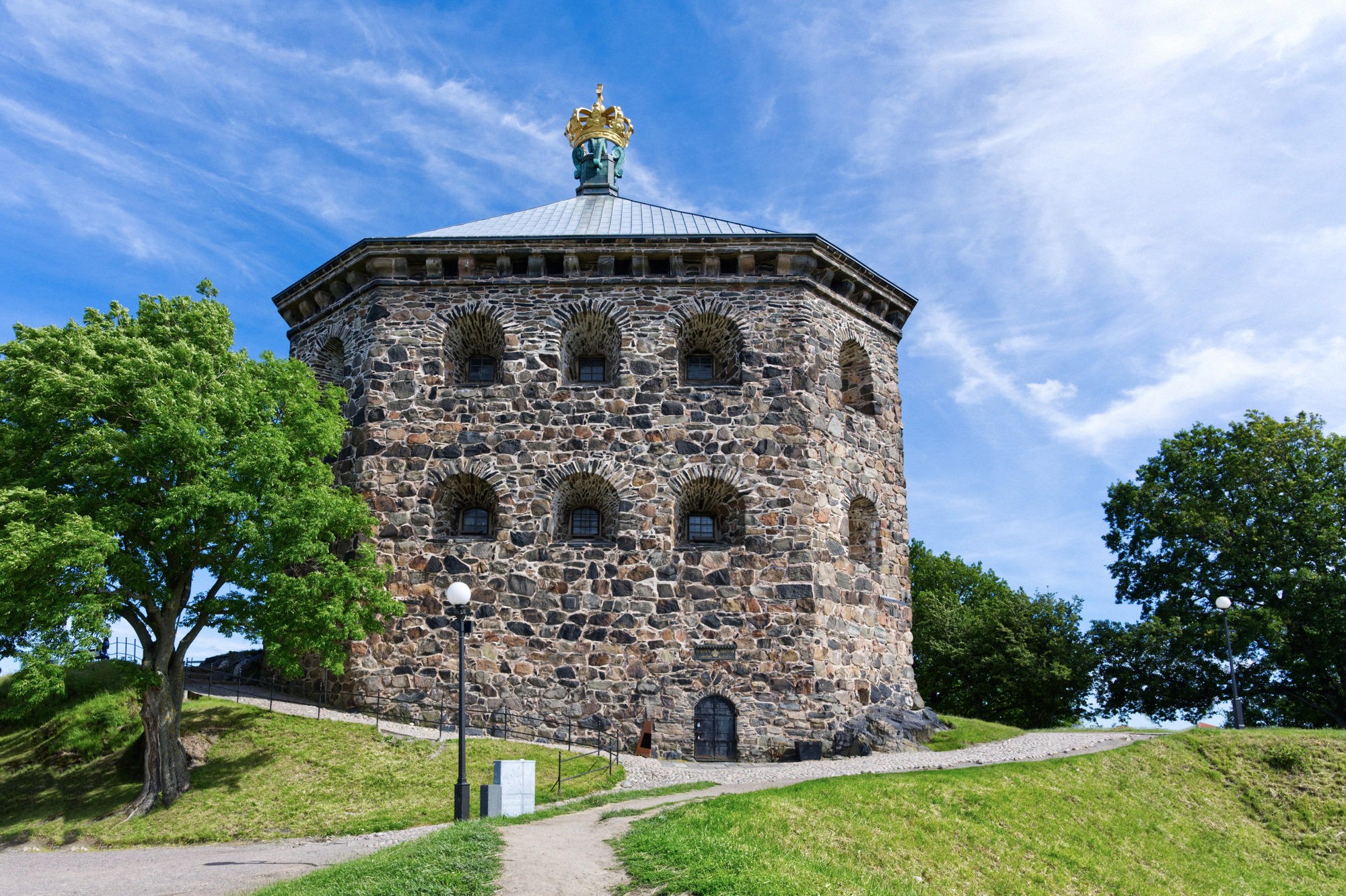
Baroque hilltop redoubt from 1689 above Haga, with a gilded crown and sweeping views over Gothenburg. The hill is open access; the interior only by booking.
Gothenburg Cathedral
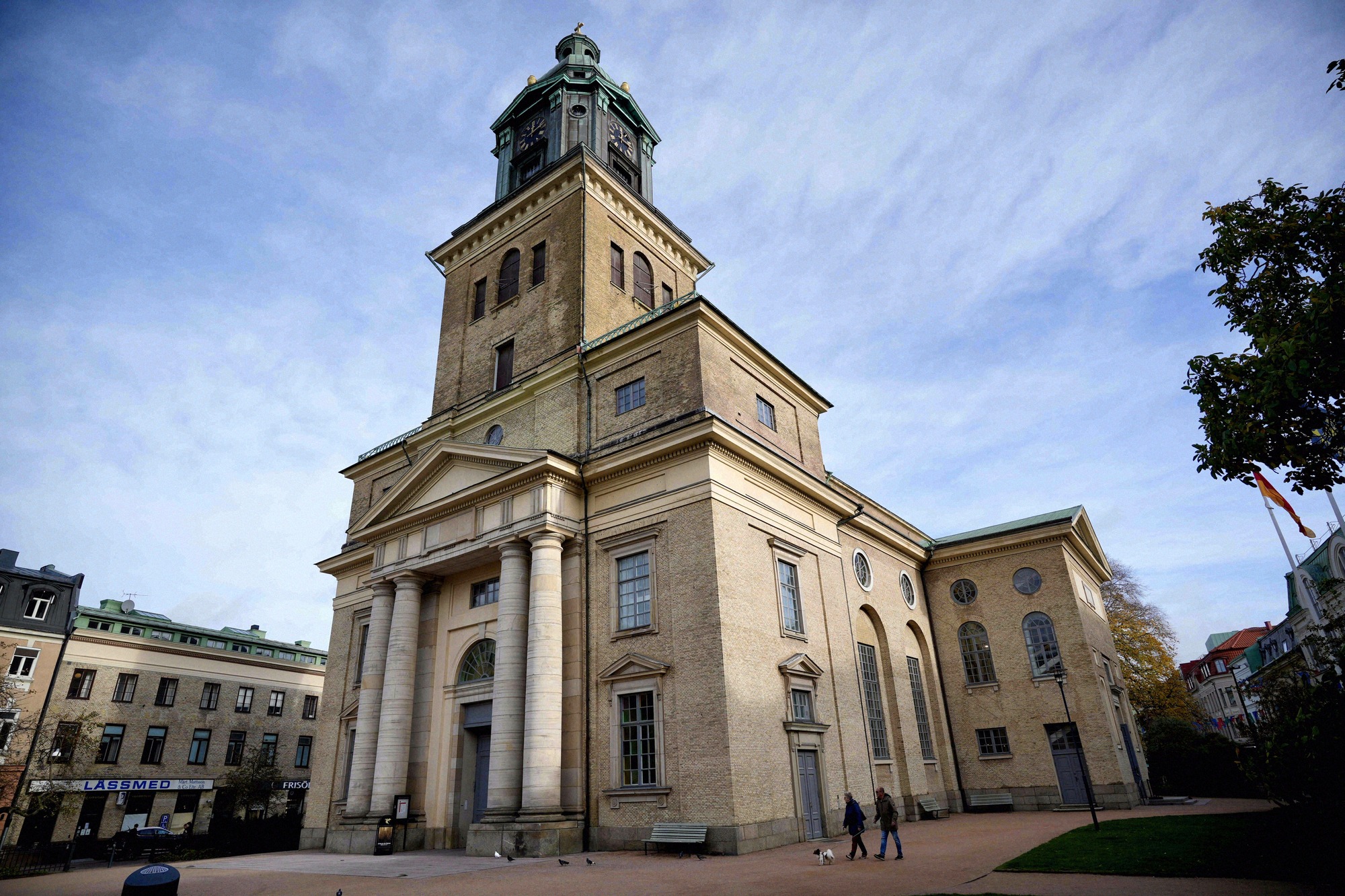
The neoclassical cathedral from 1815 in Inom Vallgraven, a bright white-and-gold interior with an angel altar and columns. Free entry, a quiet stop in the centre.
Röhsska Museum
Sweden's only design museum, near the Avenyn, holds an open chair store with over 500 chairs, East Asian art and a hall for Nordic design.
Trädgårdsföreningen
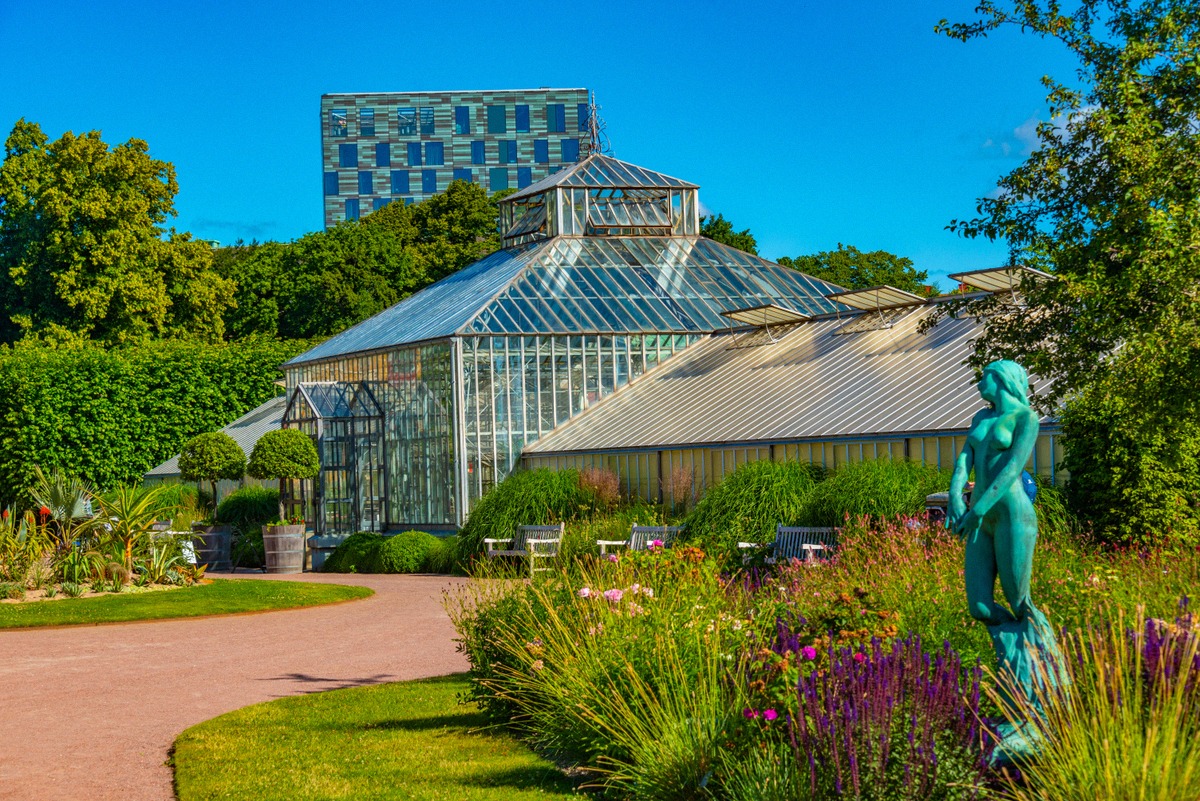
Historic city park from 1842 opposite Gothenburg Central Station, with a large rose garden and an 1878 glass palm house. Free entry to both.
Kronhuset
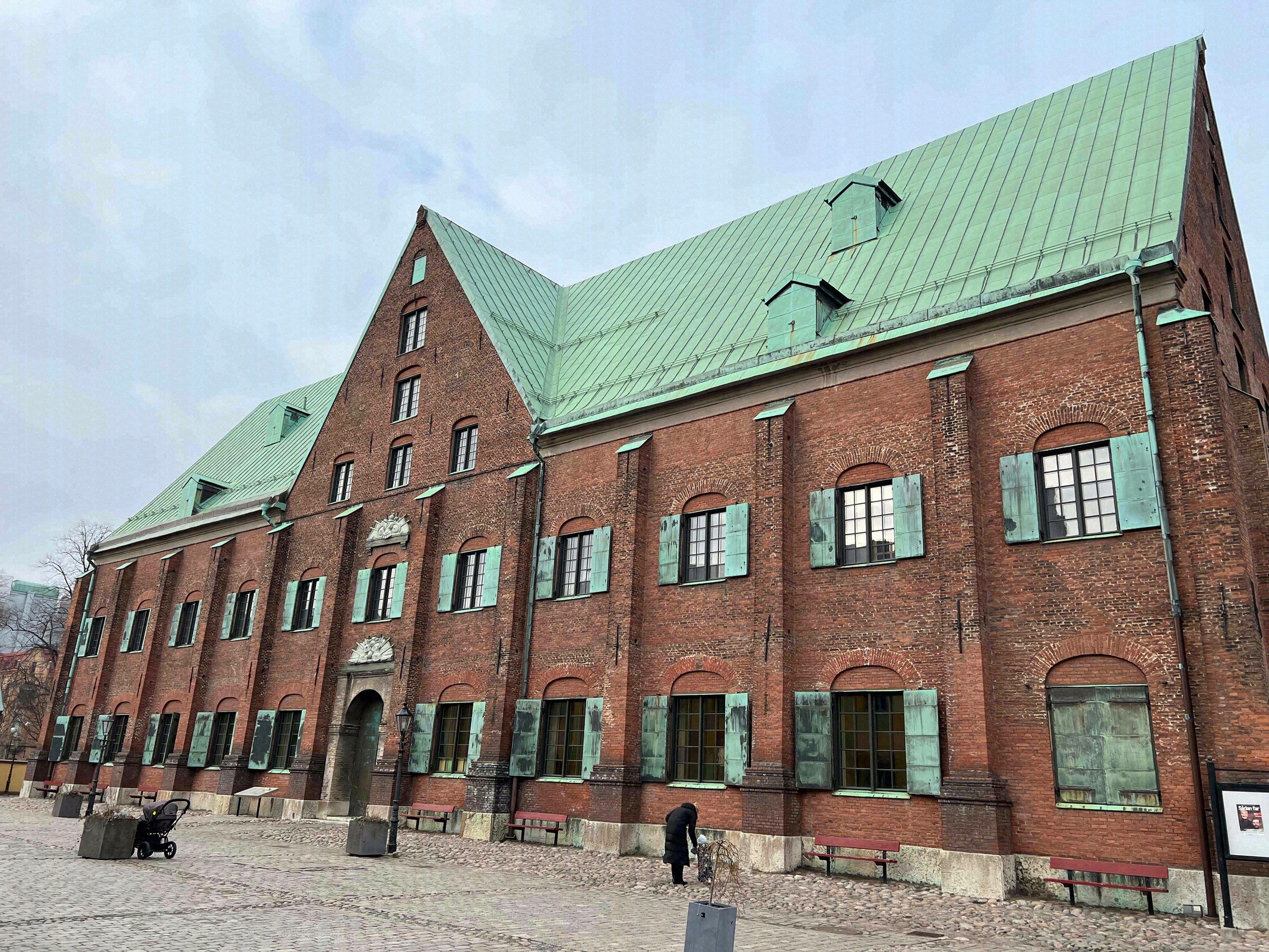
Kronhuset, once a military arsenal, is Gothenburg's oldest surviving building, with a courtyard, craft shops (Kronhusbodarna) and a café, free to visit.