
Skansen Kronan
Baroque hilltop fortress above Haga
Baroque hilltop redoubt from 1689 above Haga, with a gilded crown and sweeping views over Gothenburg. The hill is open access; the interior only by booking.
Contents
A fortress with a crown
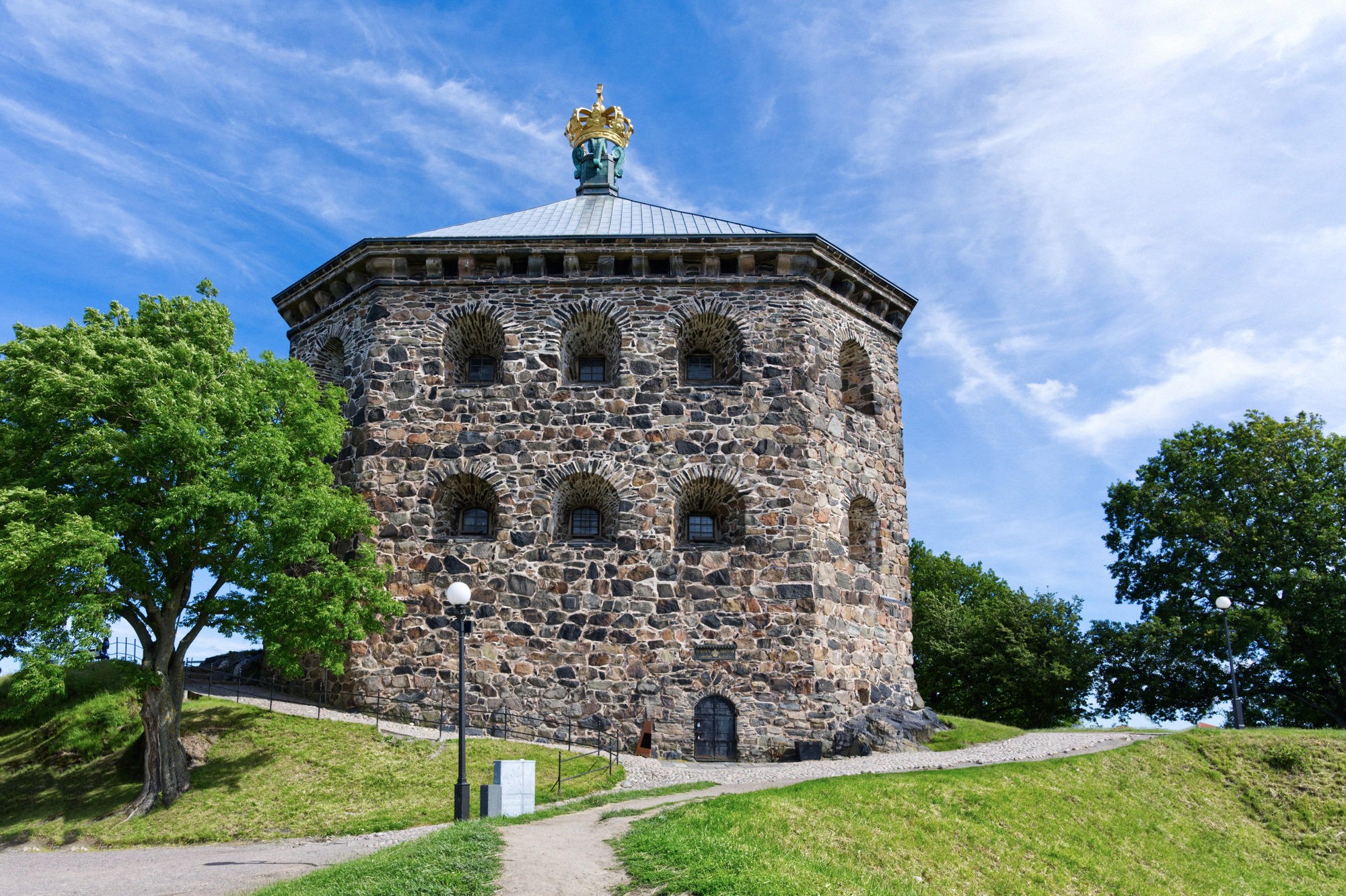
Skansen Kronan is a baroque redoubt from the late 17th century, standing on the Risåsberget hill (also known as Skansberget) above the Haga district. It was designed by military architect Erik Dahlbergh, with the foundation stone laid on 9 June 1687. Construction ran mainly from 1687 to 1689 under Olof Örnehufvud and Captain Carl Magnus Stuart; it was officially commissioned in 1698, though the roof wasn't finished until 1700.
The fortress takes its name from the gilded crown on top of its roughly 33-metre-tall, octagonal tower. The first crown, from 1697, was carved in wood and gilded copper by sculptor Marcus Jäger; it has been replaced more than once, in plain wood in 1738 and again in gilded copper in 1899. Today's crown is therefore symbolic and the source of the fortress's name, but not a reconstruction of the original.
Defence against the Danes
Skansen Kronan was part of the defences built to protect the young fortified city of Gothenburg from a possible Danish attack. Together with its twin structure, Skansen Lejonet on Gullberg, it secured the two hills overlooking the city, denying attackers any high ground for artillery. When it was commissioned in 1698 the redoubt carried 23 cannons, later increasing to as many as 27.
They were never fired in anger: Skansen Kronan was never attacked, and none of its guns was ever used in combat. The cannons at the top today are purely monuments. In the 19th century the building served as a prison and emergency shelter, and from 1904 it housed Gothenburg's Military Museum, which closed in 2004, with its collection passed to the city museum. The fortress has been a protected national monument since 25 January 1935; it's owned and managed today by the Swedish National Property Board, Statens fastighetsverk.
What to expect at the top
The real reason to make the climb is the view. From the green hilltop, past old cannons, you look out over the rooftops of Haga and Linné and on into the city centre. The surrounding Skansparken grounds cover around two hectares and, like the hill itself, are open and free year-round with no set hours.
The interior of the fortress, by contrast, isn't open for casual visits. The heavy rooms behind its thick walls are now rented out privately as an events venue for weddings, conferences and celebrations; the only way in is by booking or a guided tour. If you're hoping for a look inside or somewhere to stop for refreshments at the top, don't count on it, check with the venue in advance instead.
Visiting
The hill and viewpoint are free and open at all times. Allow 30 to 60 minutes for the climb, the view and a short stop. The viewpoint is at its best on a clear day, especially at sunset. In winter, the steep steps can be icy and slippery.
The way up runs over around 300 steps from Haga or Linnéstaden, short, but steep, which means the hill isn't wheelchair accessible. Honestly, Skansen Kronan isn't enough to build a whole day around on its own, but as a viewpoint to round off a walk through Haga, the climb is worth it.
It pairs well with a stroll through the old wooden-house district of Haga and the neighbouring Hagakyrkan. For more ideas, see our list of Gothenburg's top attractions. For current details on booking the interior or guided tours, check the official website.
Frequently asked questions
Is the climb up to Skansen Kronan worth it? +
Can you go inside the fortress? +
How do you get up there? +
How much does a visit to Skansen Kronan cost? +
Nearby
Hagakyrkan
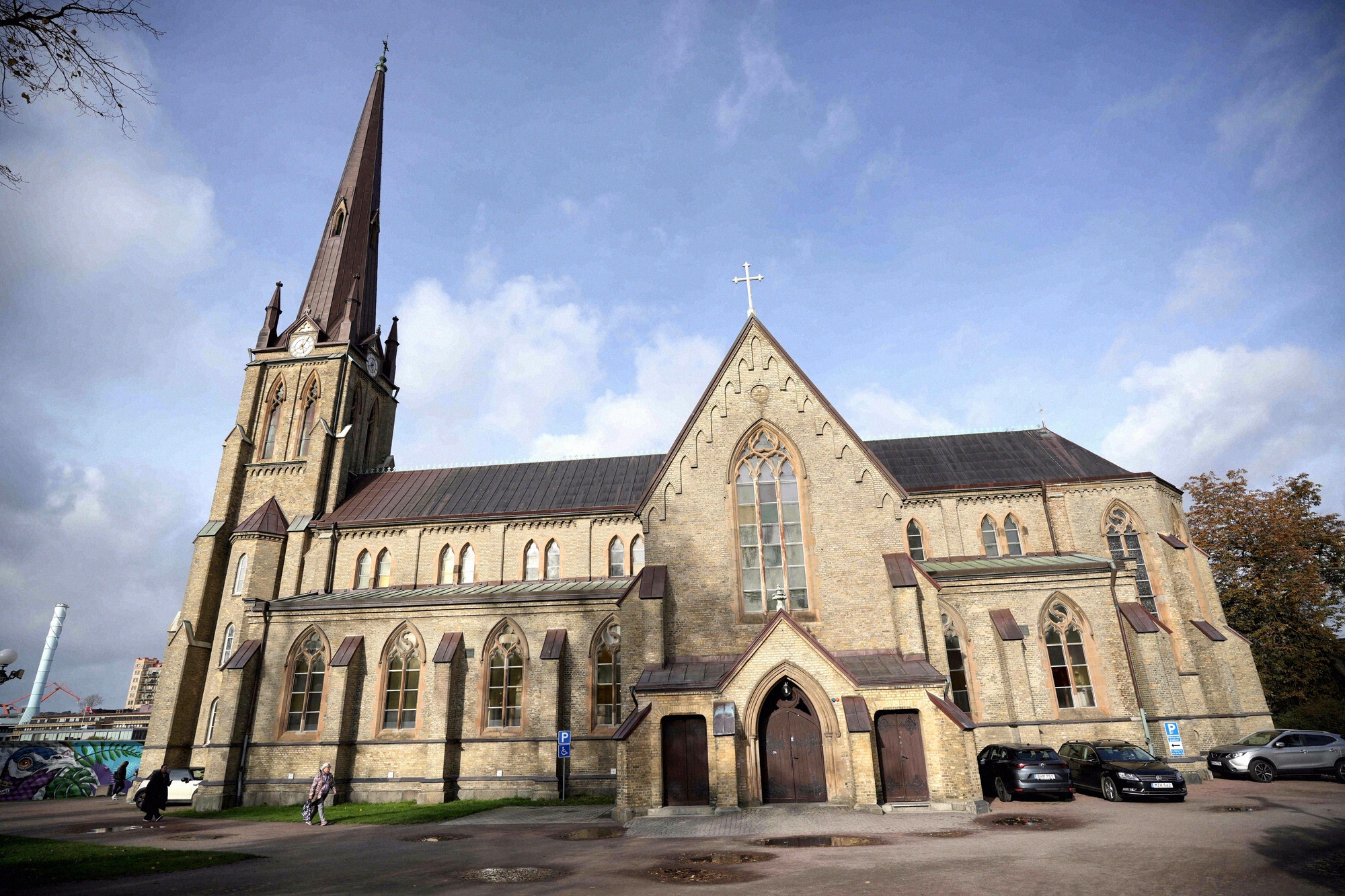
The neo-Gothic brick church from 1859 stands in a small park at the edge of Old Haga, a quiet, free-of-charge start to exploring the neighbourhood.
Feskekôrka
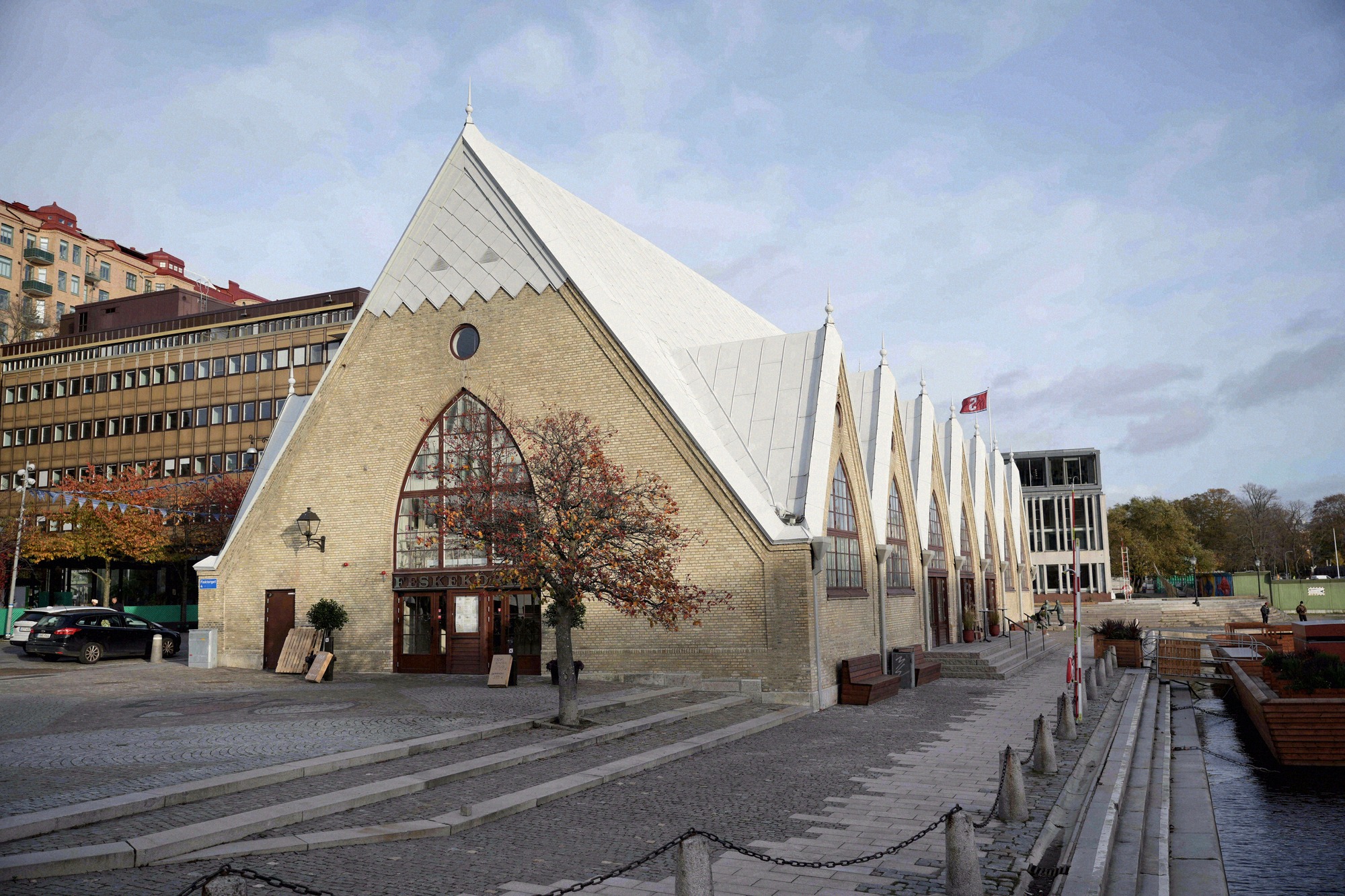
Feskekôrka, Gothenburg's fish church, is a market hall shaped like a neo-Gothic church, fresh fish at the stalls and restaurants on the Rosenlundskanal.
Masthuggskyrkan
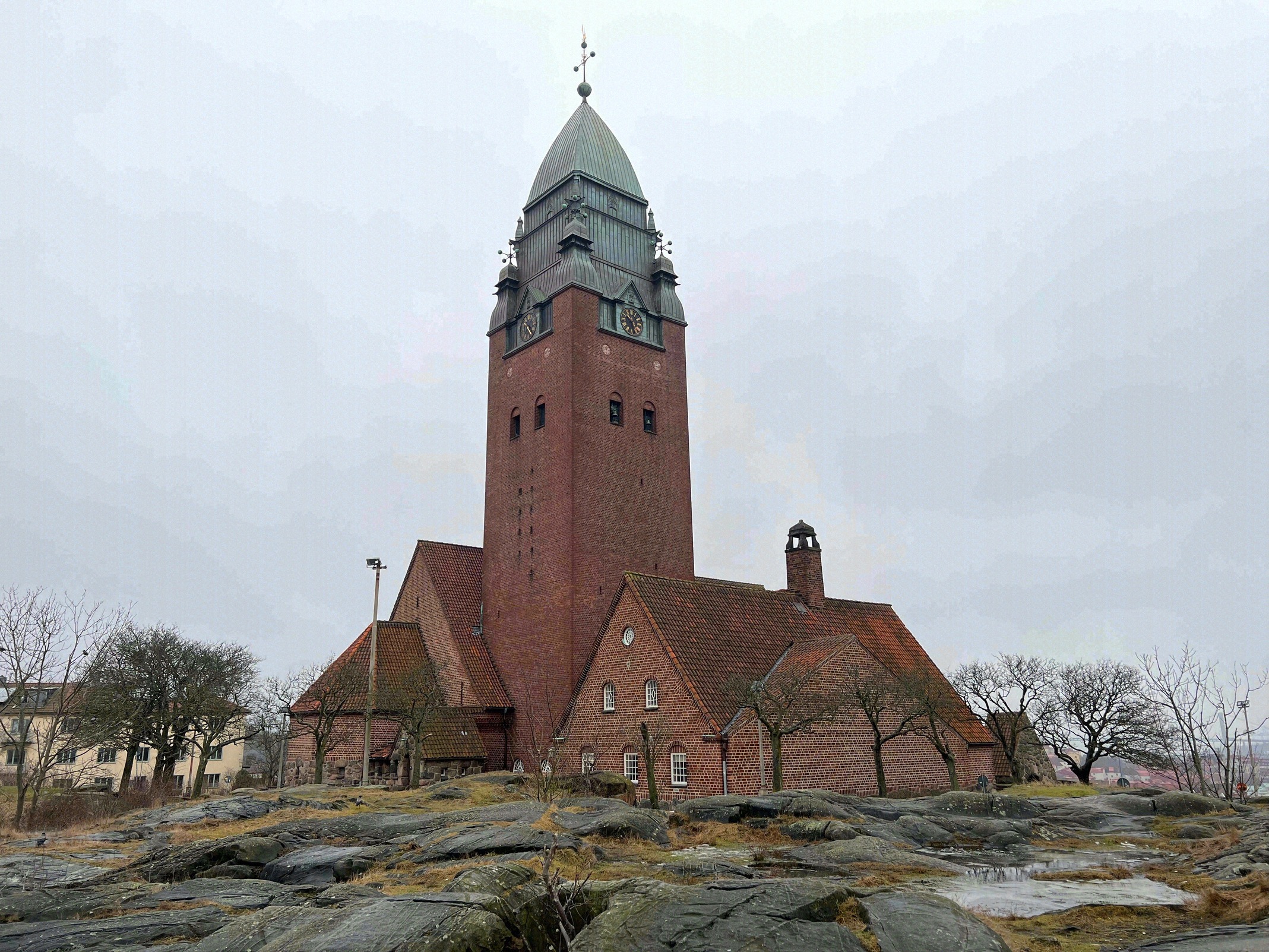
The National Romantic brick church of 1914 stands on Stigberget hill above the harbour, with a ship-hull timber ceiling, a grand organ and sweeping views over Gothenburg.
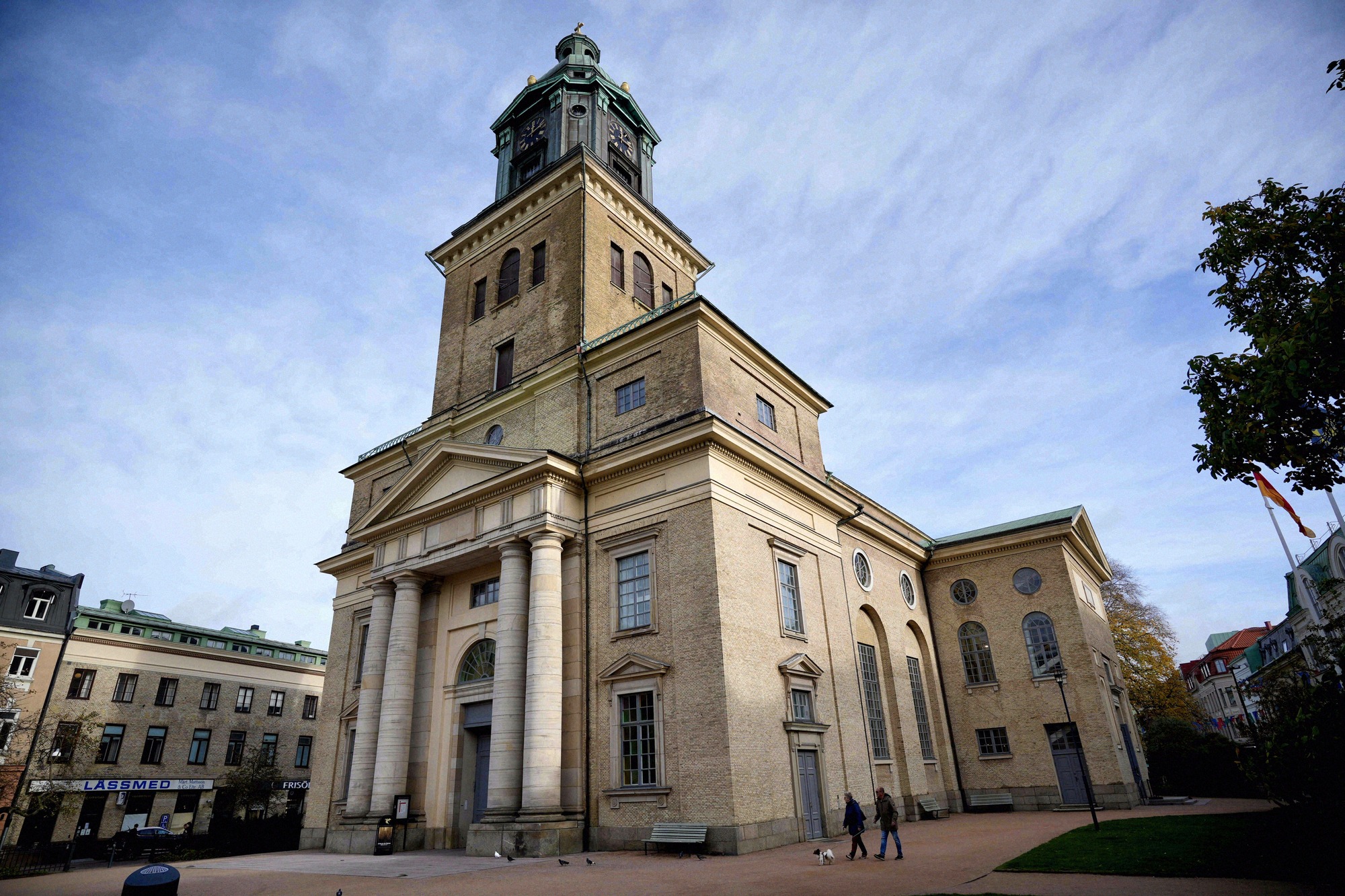
Gothenburg Cathedral
The neoclassical cathedral from 1815 in Inom Vallgraven, a bright white-and-gold interior with an angel altar and columns. Free entry, a quiet stop in the centre.
Röhsska Museum
Sweden's only design museum, near the Avenyn, holds an open chair store with over 500 chairs, East Asian art and a hall for Nordic design.
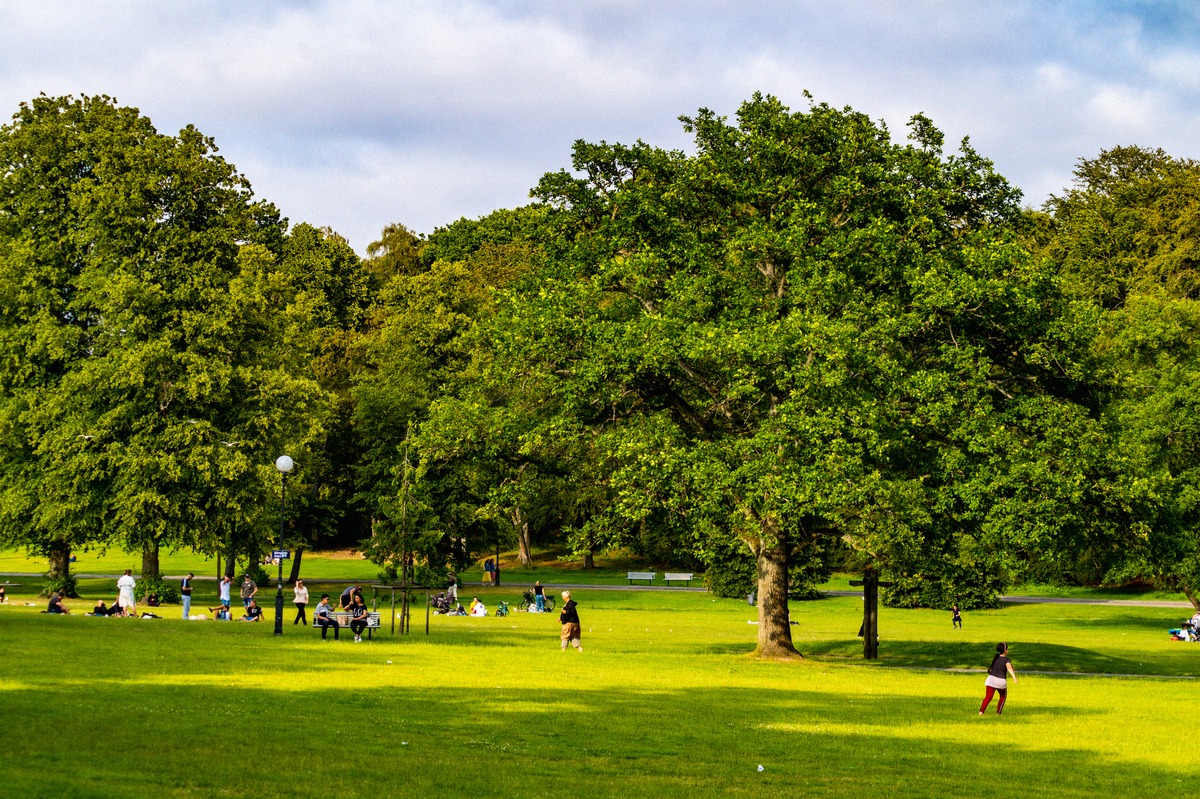
Slottsskogen
Gothenburg's large, free city park with open meadows, a free animal park with penguins, seals and elk, plus the Natural History Museum.