
Gothenburg Botanical Garden
Botanical garden with an award-winning rock garden
One of Europe's largest botanical gardens: around 16,000 plant species, a Michelin Guide-listed rock garden and a rhododendron valley. Free entry to the garden.
Contents
One of Europe's largest gardens
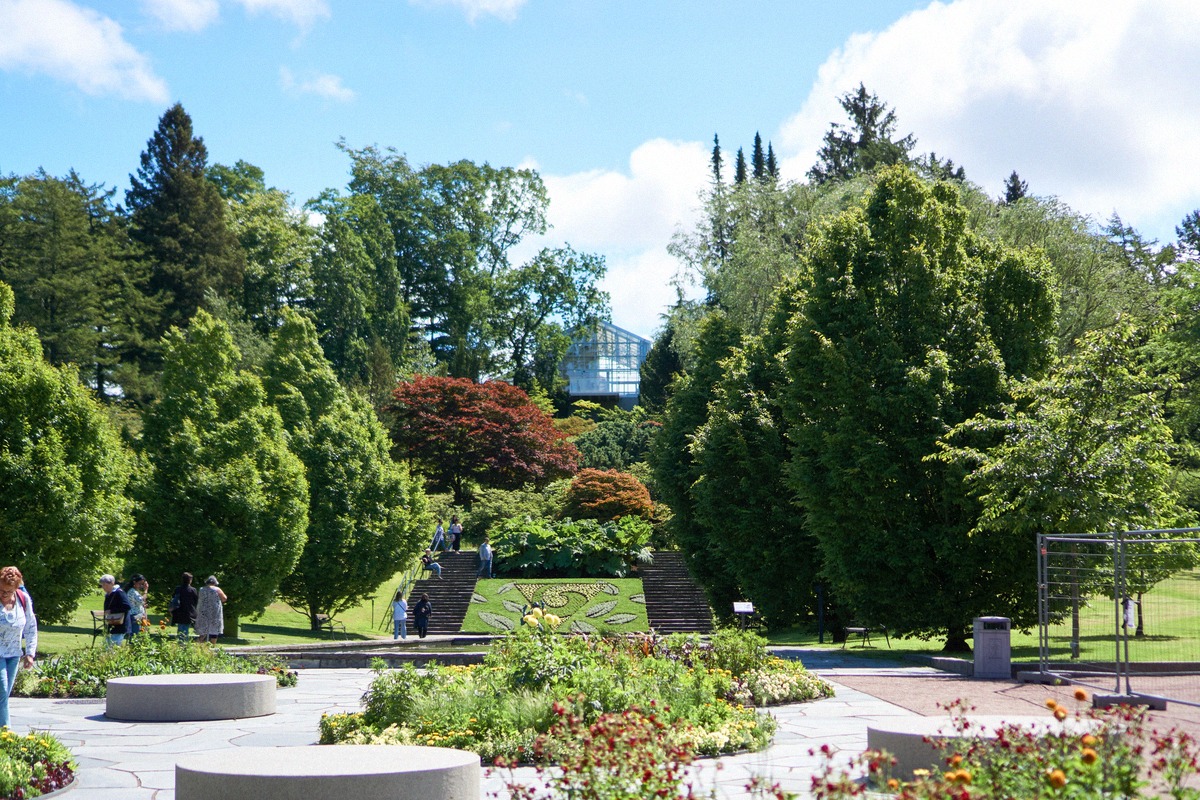
Gothenburg Botanical Garden (Botaniska trädgården) is one of the largest and most renowned botanical gardens in Europe. Spread across around 175 hectares, of which about 40 hectares are cultivated parkland, it holds around 16,000 plant species, roughly 12,000 of them growing outdoors and 4,000 in the greenhouses. That makes it one of Gothenburg's leading green attractions, drawing around 600,000 visitors a year. It's run by the Västra Götaland region, and entry to the park is free.
History
Work on the garden began in 1916. The naturalistic parkland opened on 2 May 1919, and the more formal cultivated areas followed on 8 July 1923. It has grown continuously ever since, developing into a research and display collection of international standing. New greenhouses and a visitor centre are currently under construction and due to open in 2030; the greenhouse area is limited while building work continues.
What to expect
The best-known feature is the rock garden (Klippträdgården), laid out in a former quarry in 1929 and listed in the Michelin Guide. It brings together around 6,000 alpine species across several levels. Beyond that, there's:
- the rhododendron valley, with around 500 species and cultivars in full bloom each spring
- the greenhouses, home to Sweden's largest orchid collection of around 1,500 species, alongside tropical plants
- extensive grounds of perennials, trees and shrubs, and water features worth visiting in any season
The garden borders the Änggårdsbergen nature reserve directly, including a roughly 15-hectare arboretum, ideal if you want to extend your visit with a walk into nature.
Visiting and getting there
The garden is open around the clock, all year, and is free to enter; a voluntary donation is welcome. The greenhouses charge 30 SEK per person, with free entry for under-18s. Allow two to three hours for the main areas.
Getting there is straightforward: tram lines 1, 2, 6, 7, 8 and 13 stop at Botaniska trädgården or Linnéplatsen, and buses 25, 52, 258 and 757 stop at Annedalskyrkan. The address is Carl Skottsbergs gata 22A. Parking at the main entrance is limited (with accessible spaces available), and coaches cannot park there. For refreshments, the café-restaurant Botaniska Paviljongen is about 400 metres from the entrance.
Tips for your visit
- The garden is at its best in spring for the rhododendron bloom and in summer, when everything is in full flourish.
- The garden sits right next to Slottsskogen - the two combine well into a green day out on the west side of the city.
- To extend the day, walk on into the neighbouring Änggårdsbergen nature reserve afterwards.
- Check botaniska.se before you visit to see which greenhouses are accessible during the rebuild.
Frequently asked questions
Is there an entry fee for the Botanical Garden? +
What are the highlights? +
How do you get to the Botanical Garden? +
How much time should I allow? +
Nearby
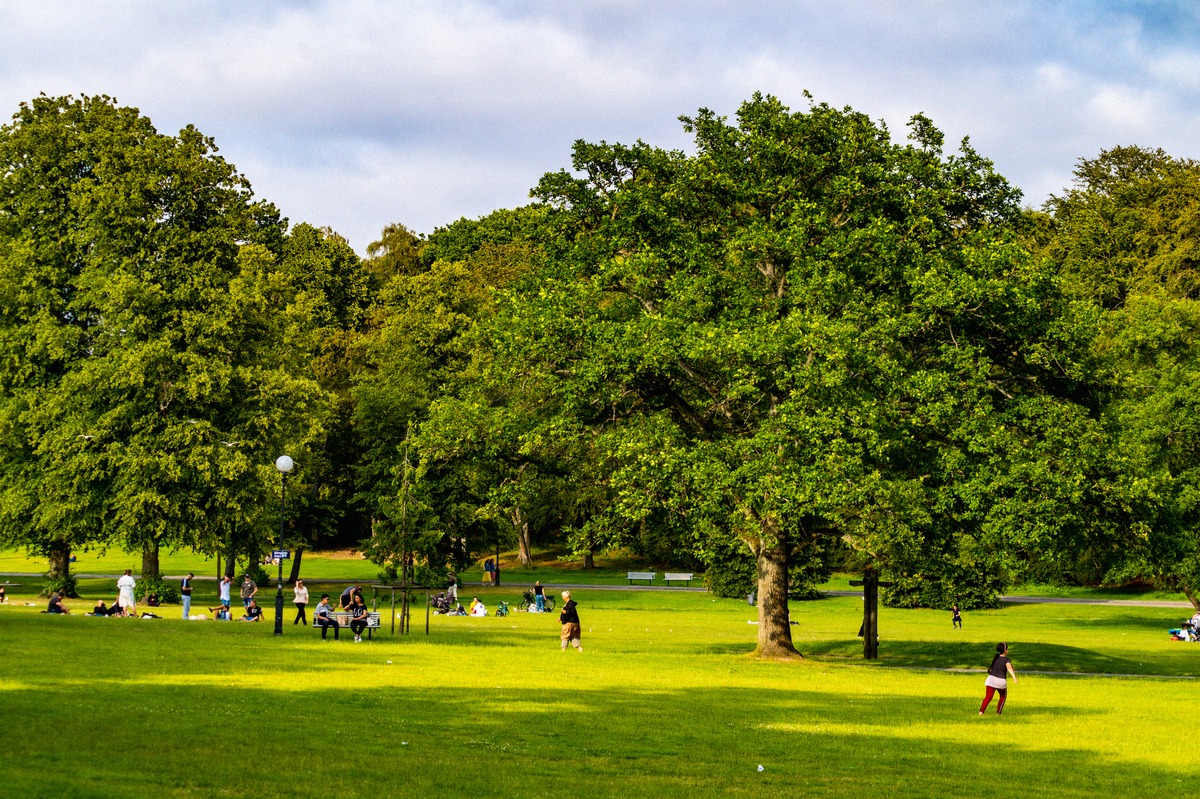
Slottsskogen
Gothenburg's large, free city park with open meadows, a free animal park with penguins, seals and elk, plus the Natural History Museum.
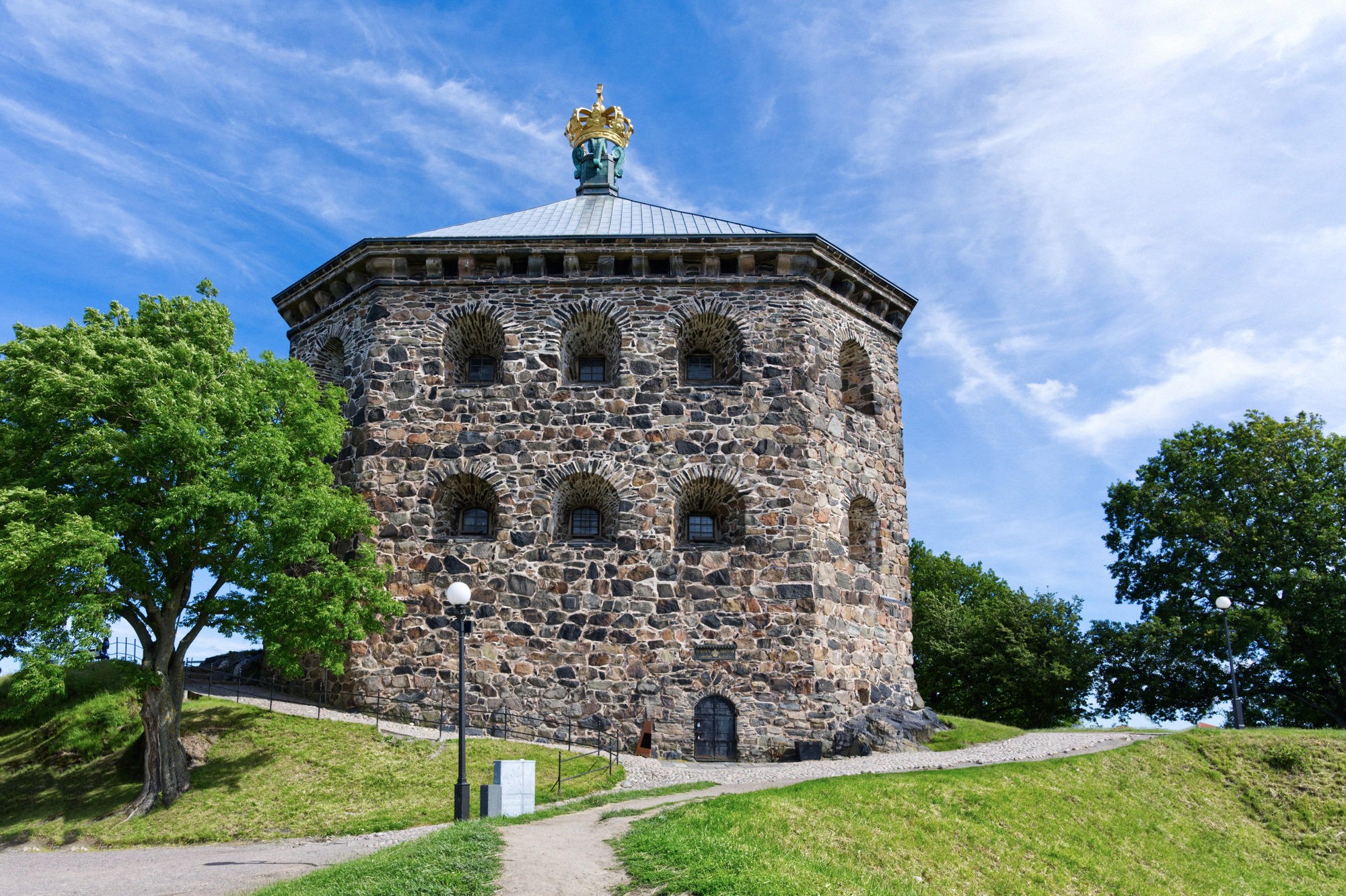
Skansen Kronan
Baroque hilltop redoubt from 1689 above Haga, with a gilded crown and sweeping views over Gothenburg. The hill is open access; the interior only by booking.
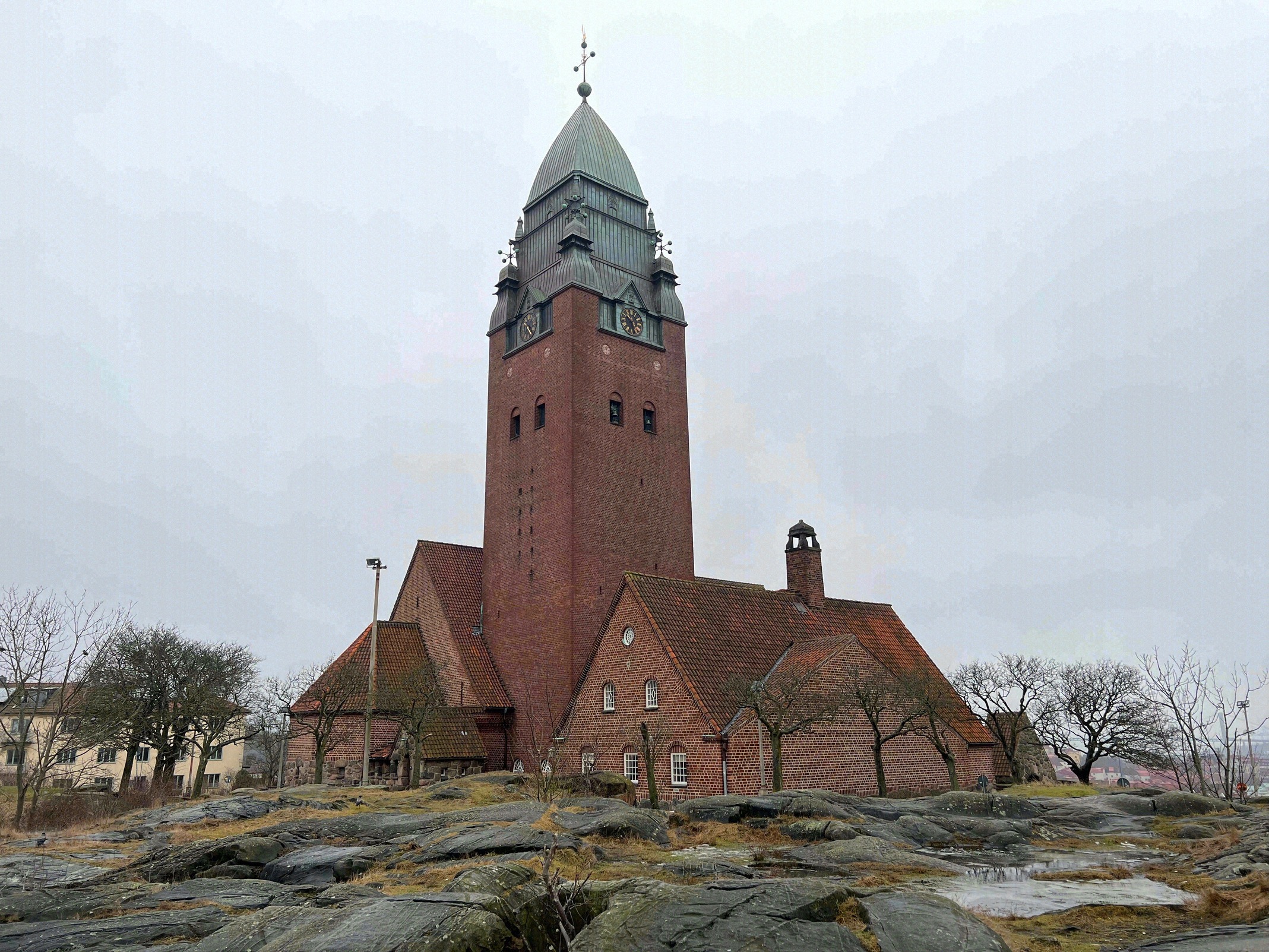
Masthuggskyrkan
The National Romantic brick church of 1914 stands on Stigberget hill above the harbour, with a ship-hull timber ceiling, a grand organ and sweeping views over Gothenburg.
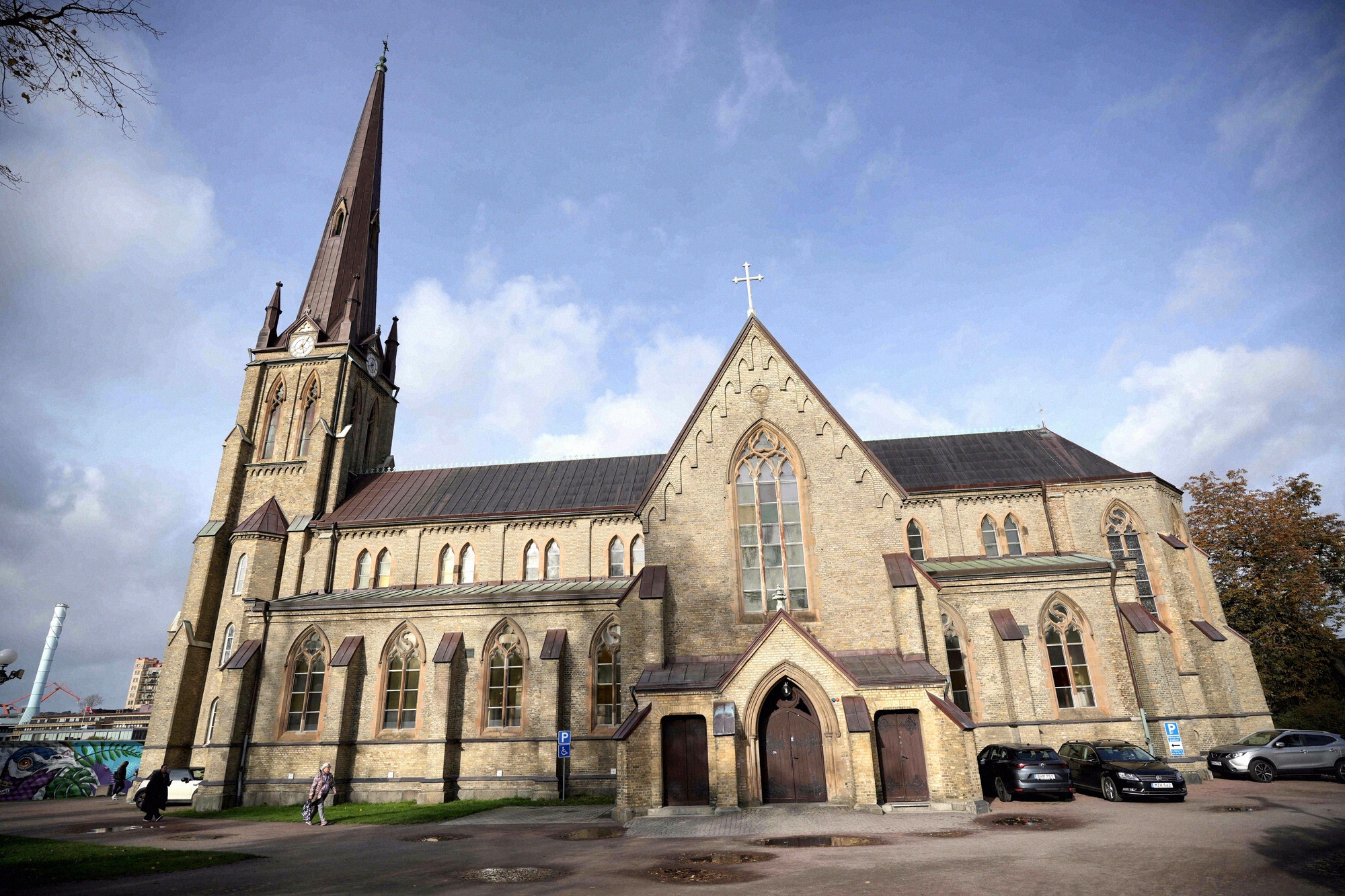
Hagakyrkan
The neo-Gothic brick church from 1859 stands in a small park at the edge of Old Haga, a quiet, free-of-charge start to exploring the neighbourhood.
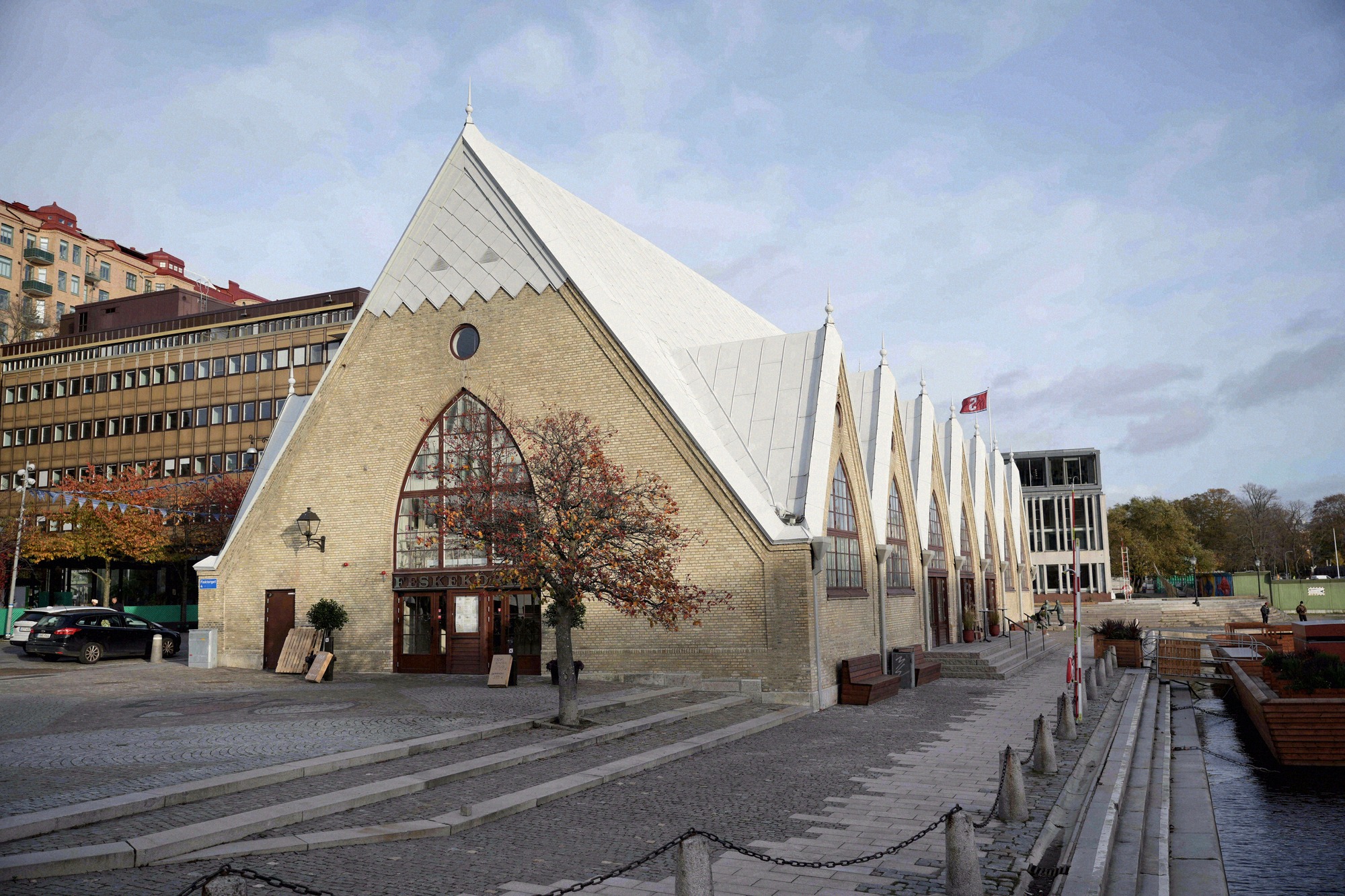
Feskekôrka
Feskekôrka, Gothenburg's fish church, is a market hall shaped like a neo-Gothic church, fresh fish at the stalls and restaurants on the Rosenlundskanal.
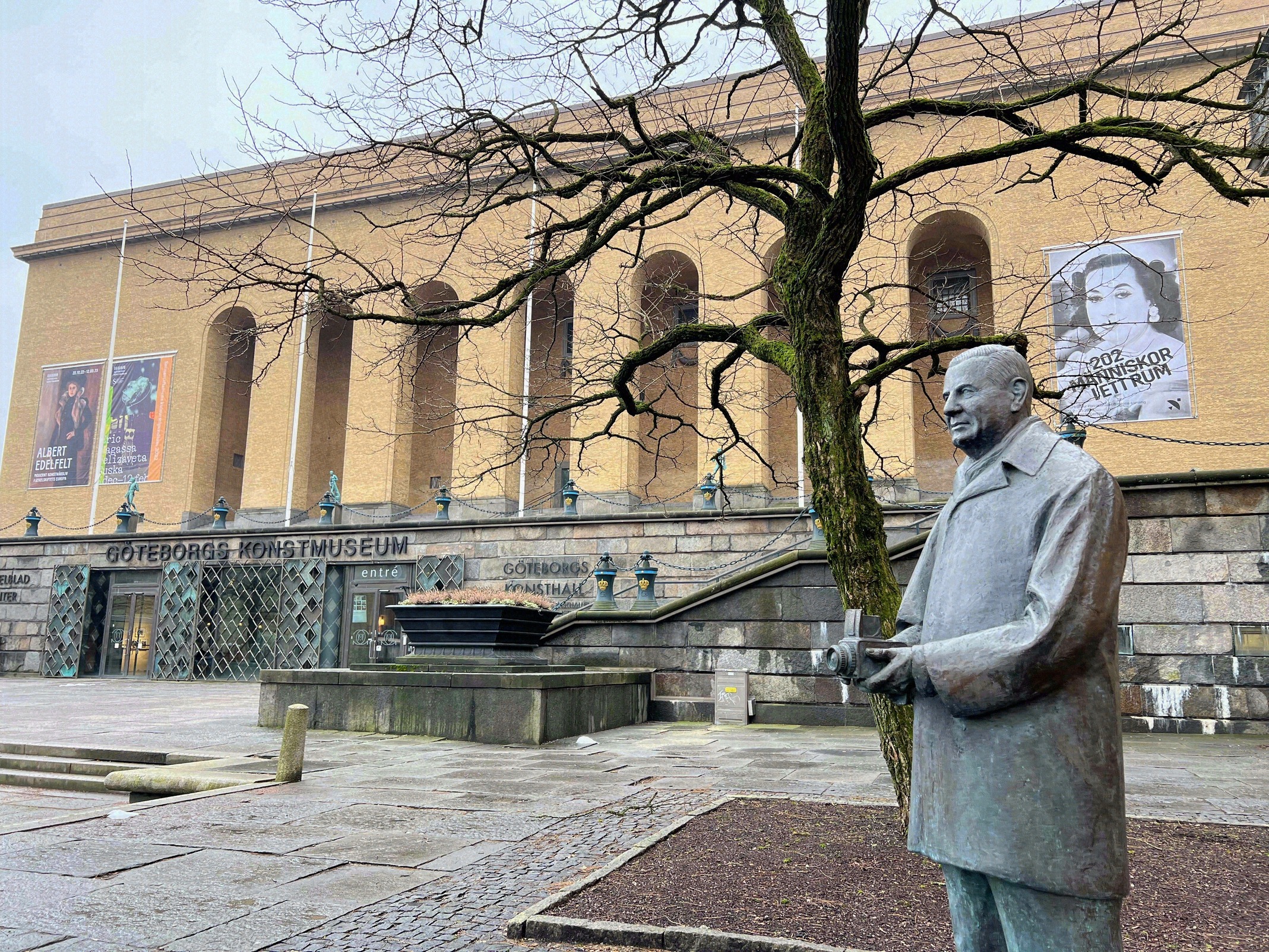
Gothenburg Museum of Art
The art museum at Götaplatsen holds an outstanding collection of Nordic painting, the highlight is the Fürstenberg Gallery with works by Carl Larsson and Anders Zorn.