
Röhsska Museum
Sweden's museum of design and craft
Sweden's only design museum, near the Avenyn, holds an open chair store with over 500 chairs, East Asian art and a hall for Nordic design.
Contents
Sweden's museum of design
The Röhsska Museum is Sweden's only museum entirely devoted to design and craft, a must for anyone keen to understand famous Scandinavian design. It sits at Vasagatan 37-39 in Vasastan, just a few steps from the boulevard Avenyn and Götaplatsen. This is no mere showcase of fine pieces, it tells the story of how design has shaped Nordic everyday life, from the teacup to the chair.
What to expect
The permanent exhibition "Design Stories" forms the backbone, with over 500 objects from the mid-19th century onwards. Several collection areas set the museum apart:
- "Inspiration East Asia" - East Asian ceramics and art, a historic strength of the house
- 18th-century design and craft, with furniture and objects from the period
- the chair collection as an open chair store: over 500 chairs spanning more than 300 years, arranged closely together for comparing form and material
- the Torsten and Wanja Söderberg Hall for Nordic design
The chair collection is the quiet star of the museum: anyone wanting to see design history laid out is shown it here row by row.
Temporary exhibitions
Alongside the permanent areas, the Röhsska runs changing exhibitions on design and everyday culture. Announced for 2026 are "We Will Survive - The Prepper Movement" and "Asplund and the Courthouse" (27 September 2025 to 30 August 2026), on the architect Gunnar Asplund. The programme changes, so it's worth checking the official website before your visit if a particular show is the reason for going.
Visiting and practicalities
Opening hours are Tuesday and Wednesday 11:00-18:00, Thursday 11:00-20:00, and Friday to Sunday 11:00-17:00; the museum is closed on Mondays and public holidays. The late Thursday opening until 20:00 suits an after-work visit well, while weekday mornings tend to be quietest.
Adults pay 75 SEK for a day ticket. Children and young people under 20, and students with valid ID, get in free, while seniors aged 63 and over pay 130 SEK via the Museum Pass. The Museum Pass at 150 SEK covers four city museums (Röhsska, Gothenburg Museum of Art, Stadsmuseum and Sjöfartsmuseet Akvariet) and gives a 20 percent discount on special exhibitions with a surcharge. Admission is included with the Gothenburg City Card, more in our guide to the Gothenburg Card. Note that the museum is cashless, with card payment only. Set aside one to two hours for the permanent and temporary exhibitions.
The entrance area houses the St Agnes Café, along with a museum shop selling design items; group tours are available, and accessibility information is on the website.
Getting there and combining your visit
The nearest stop is Valand (tram and bus), just a few steps from the entrance. Car parks are available at Heden and along the Avenyn, and there is bicycle parking too. The central location makes the museum ideal for a stroll around the Avenyn: the Gothenburg Museum of Art and Götaplatsen are within walking distance, and the Kungsportsavenyn is just a few minutes away. If you're planning your visit, our top Gothenburg attractions guide has more suggestions nearby.
Frequently asked questions
What does the Röhsska Museum show? +
How much does admission cost? +
Where is the museum and how do I get there? +
How much time should I set aside? +
Nearby
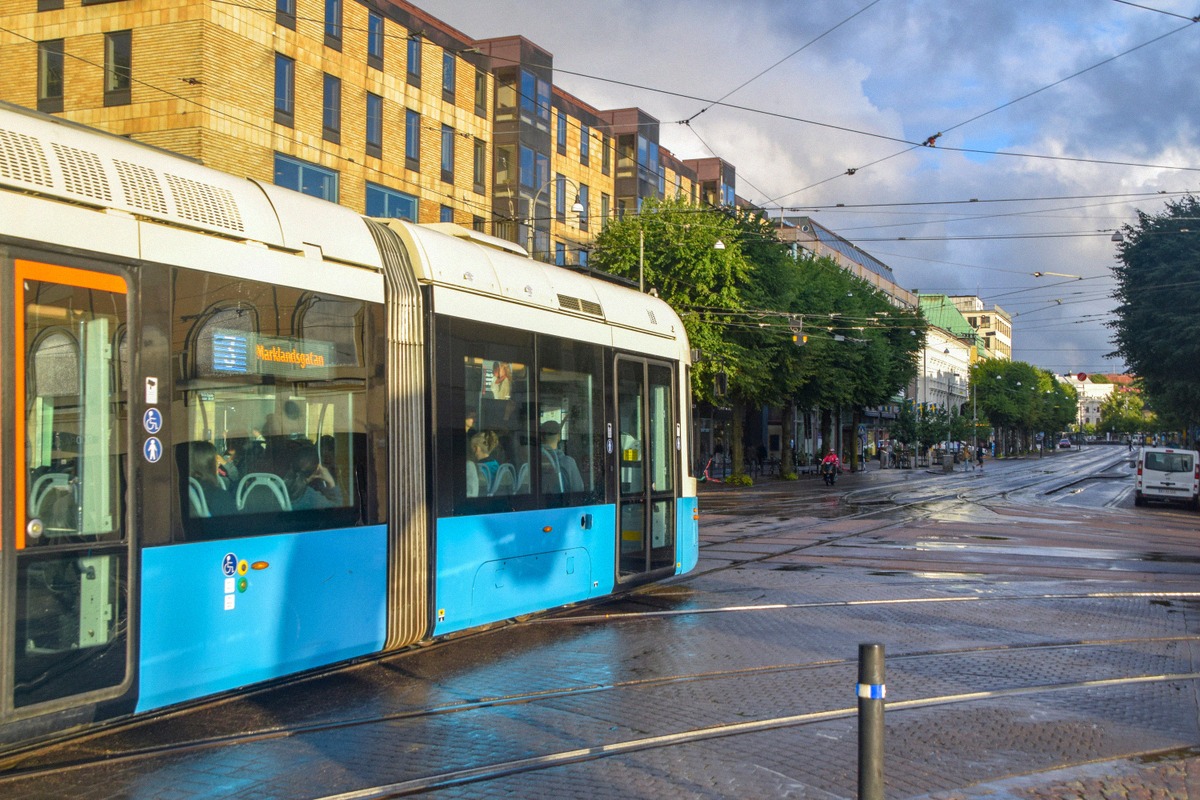
Kungsportsavenyn
Kungsportsavenyn, known to everyone as the Avenyn, is Gothenburg's central boulevard: about 1 km from the canal to Götaplatsen, lined with cafés, restaurants and bars.
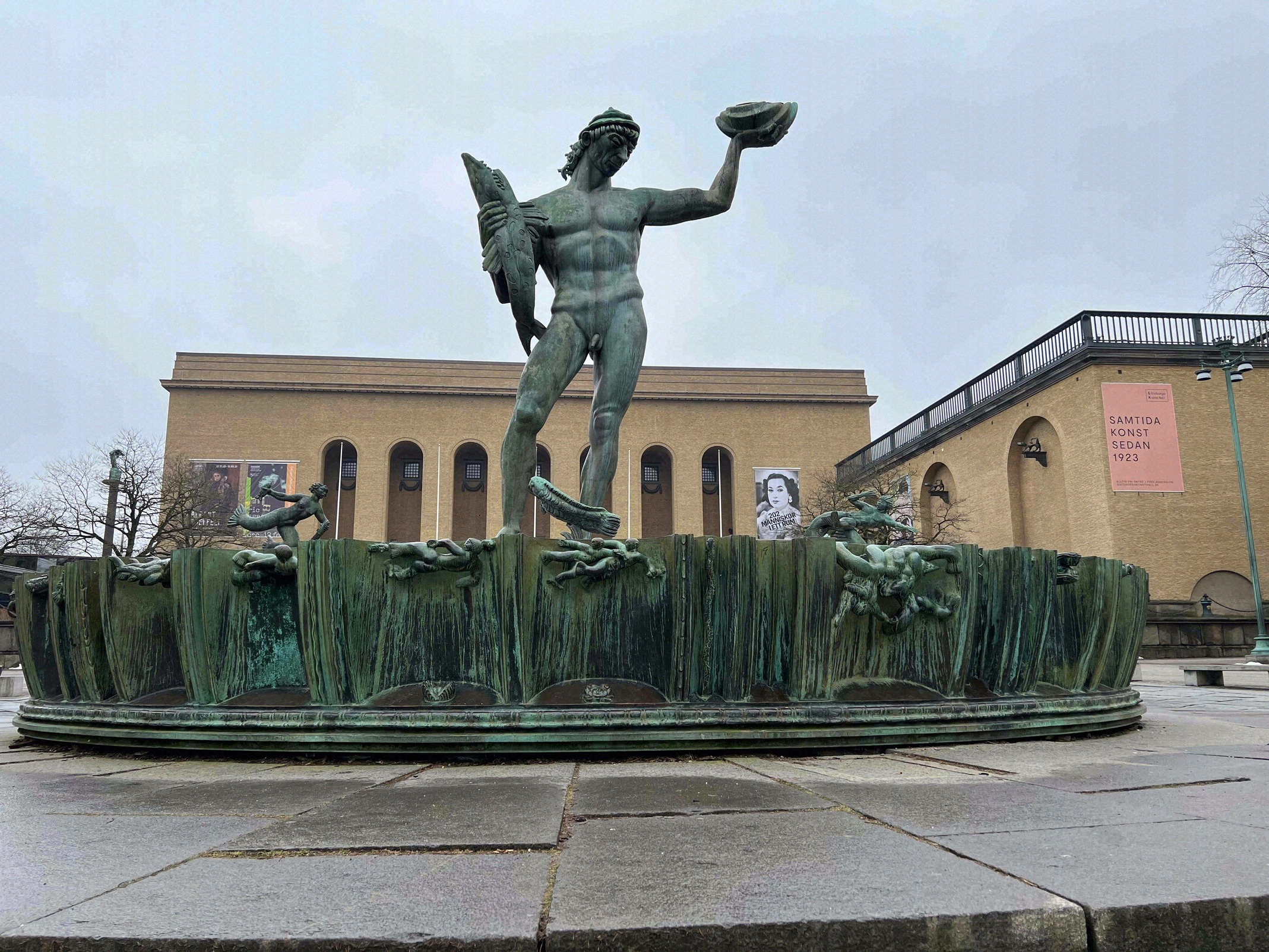
Götaplatsen
Götaplatsen at the head of the Avenyn holds the 7-metre Poseidon fountain statue by Carl Milles, framed by the art museum, concert hall and city library.
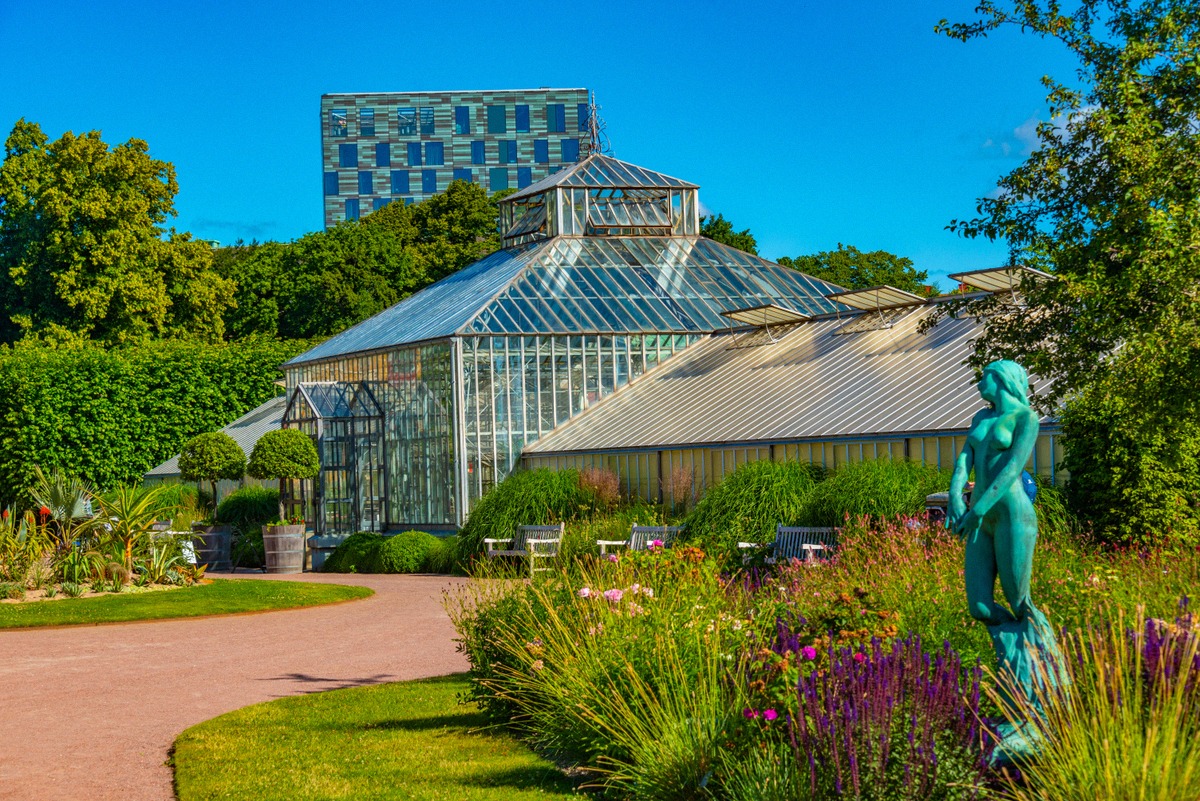
Trädgårdsföreningen
Historic city park from 1842 opposite Gothenburg Central Station, with a large rose garden and an 1878 glass palm house. Free entry to both.
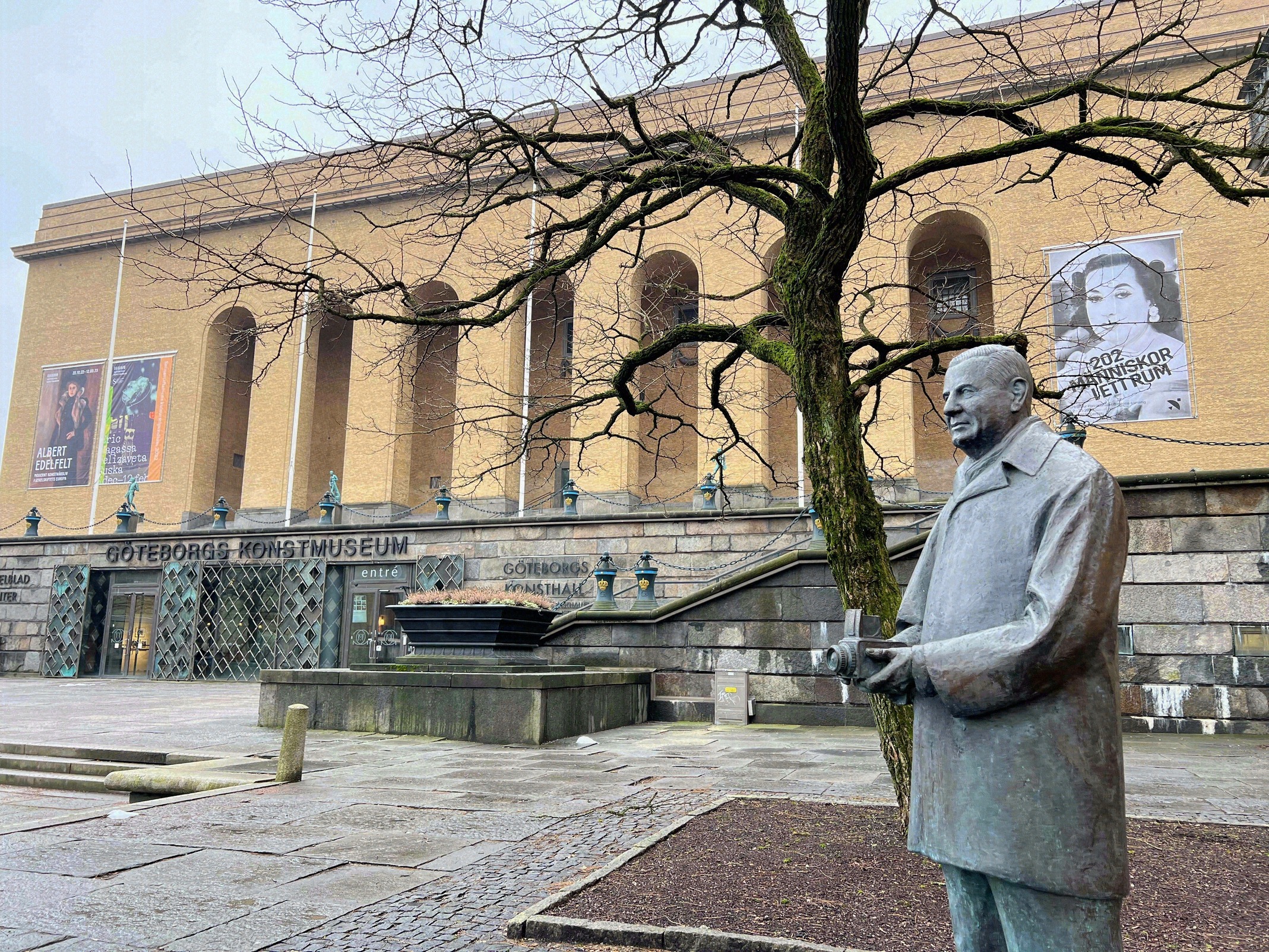
Gothenburg Museum of Art
The art museum at Götaplatsen holds an outstanding collection of Nordic painting, the highlight is the Fürstenberg Gallery with works by Carl Larsson and Anders Zorn.
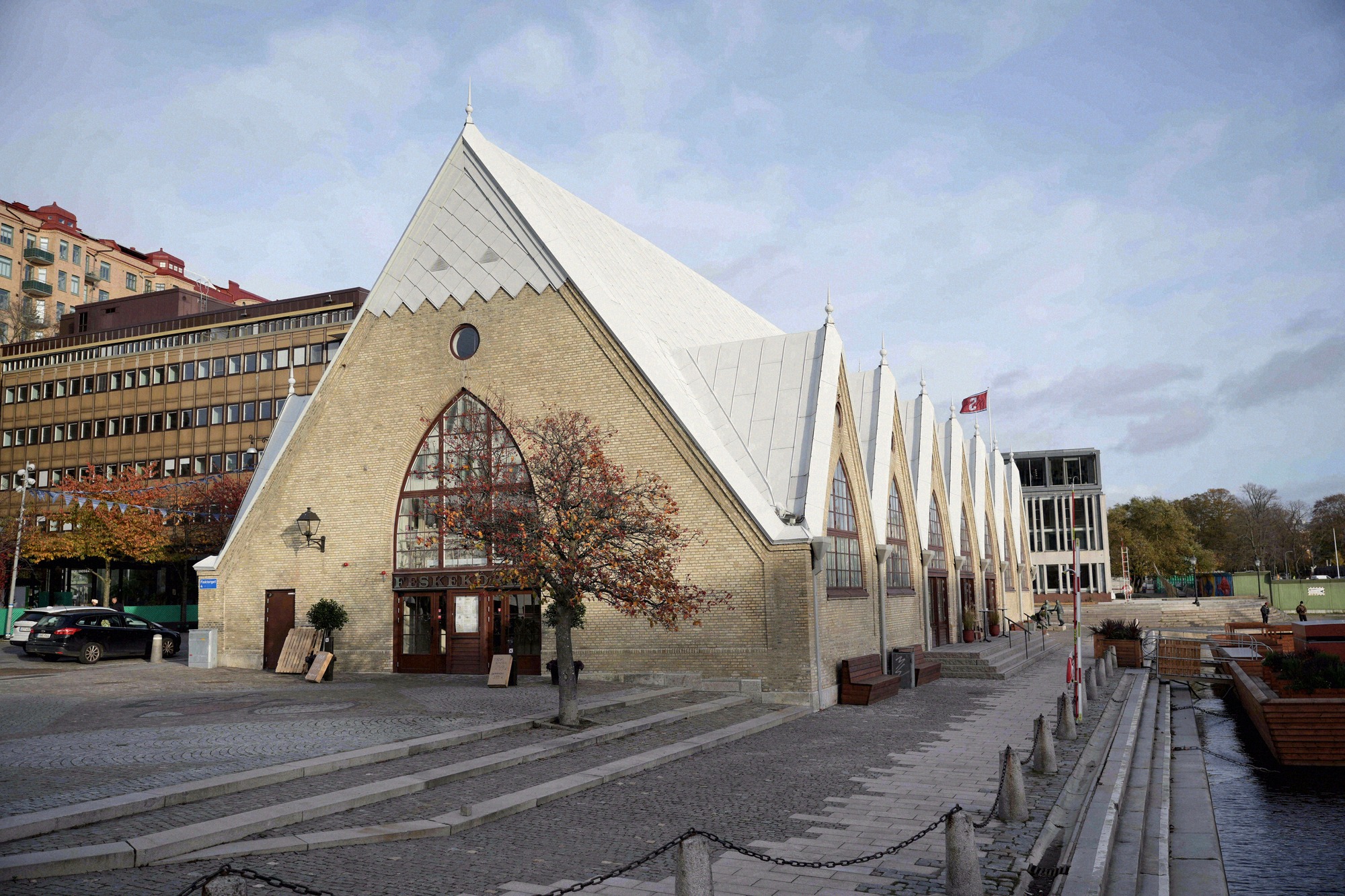
Feskekôrka
Feskekôrka, Gothenburg's fish church, is a market hall shaped like a neo-Gothic church, fresh fish at the stalls and restaurants on the Rosenlundskanal.
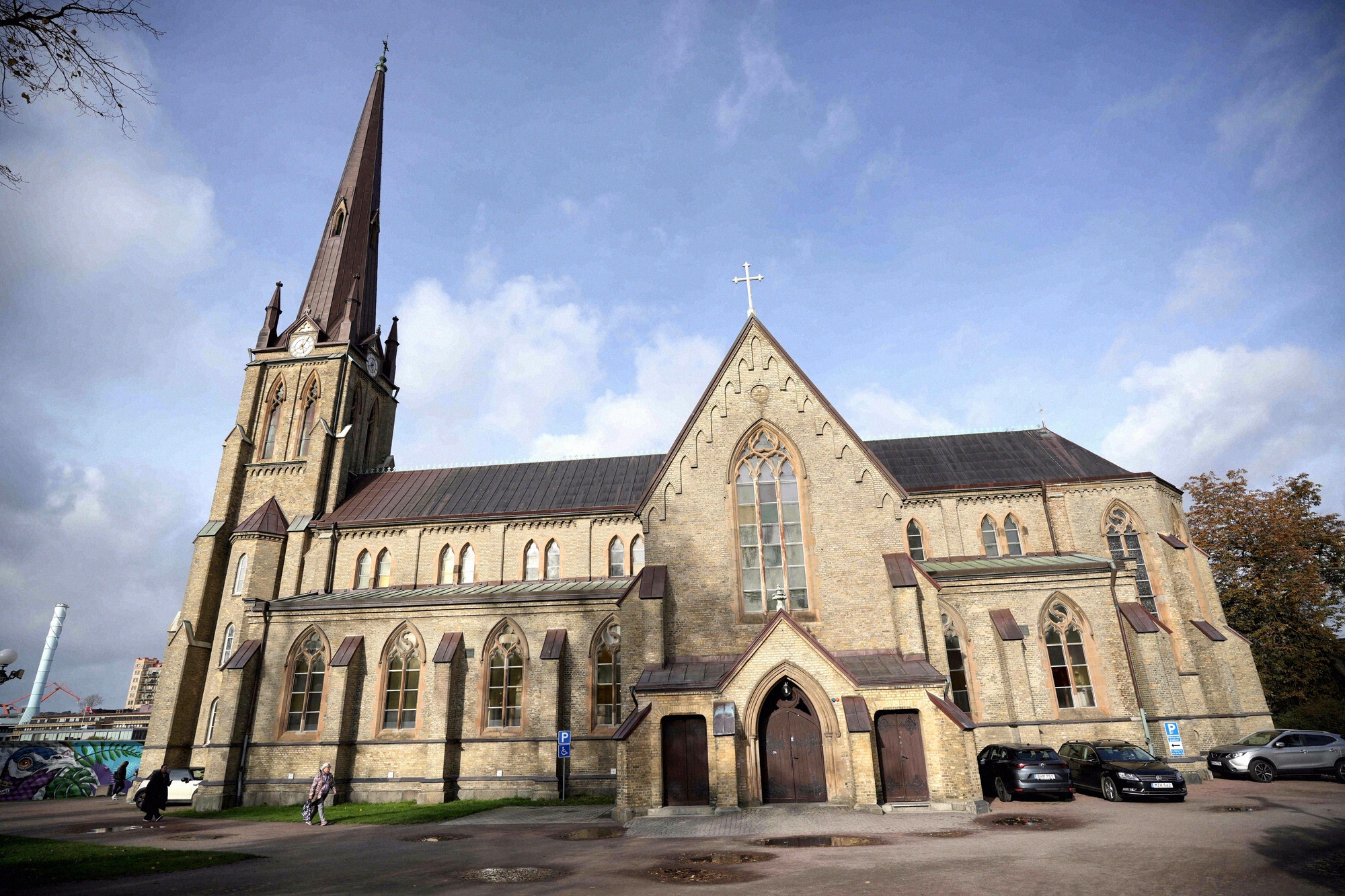
Hagakyrkan
The neo-Gothic brick church from 1859 stands in a small park at the edge of Old Haga, a quiet, free-of-charge start to exploring the neighbourhood.