
Haga
Oldest working-class quarter with cobbled streets and fika
Once a working-class quarter, now Gothenburg's cosiest corner: car-free cobbled streets, typical Landshövdinge houses, small shops and cafés serving giant Hagabullar cinnamon buns.
Gothenburg's old heart
Haga is Gothenburg's oldest surviving residential quarter, founded in the 17th century as a suburb outside the city walls. Where workers once lived is now the cosiest quarter in the city, a car-free pedestrian zone of cobbled streets lined with the typical Landshövdinge houses: buildings with a brick ground floor and two timber storeys above.
Fika and cinnamon buns
Along Haga Nygata you'll find boutiques, antiquarian bookshops, craft shops and, above all, countless cafés. Haga is the best place in the city for Swedish fika (a coffee break) - famous for its gigantic cinnamon buns (Hagabullar), which can be bigger than a dinner plate. The Skansen Kronan fortress looks down over the quarter, with views across the city.
Strolling and enjoying
Haga is best enjoyed by wandering rather than ticking off a checklist, it's about the atmosphere. Set aside time for a coffee and a slice of cake; that's part of the Gothenburg experience. The quarter is compact and easy to combine with Linné and the city centre.
Around Haga
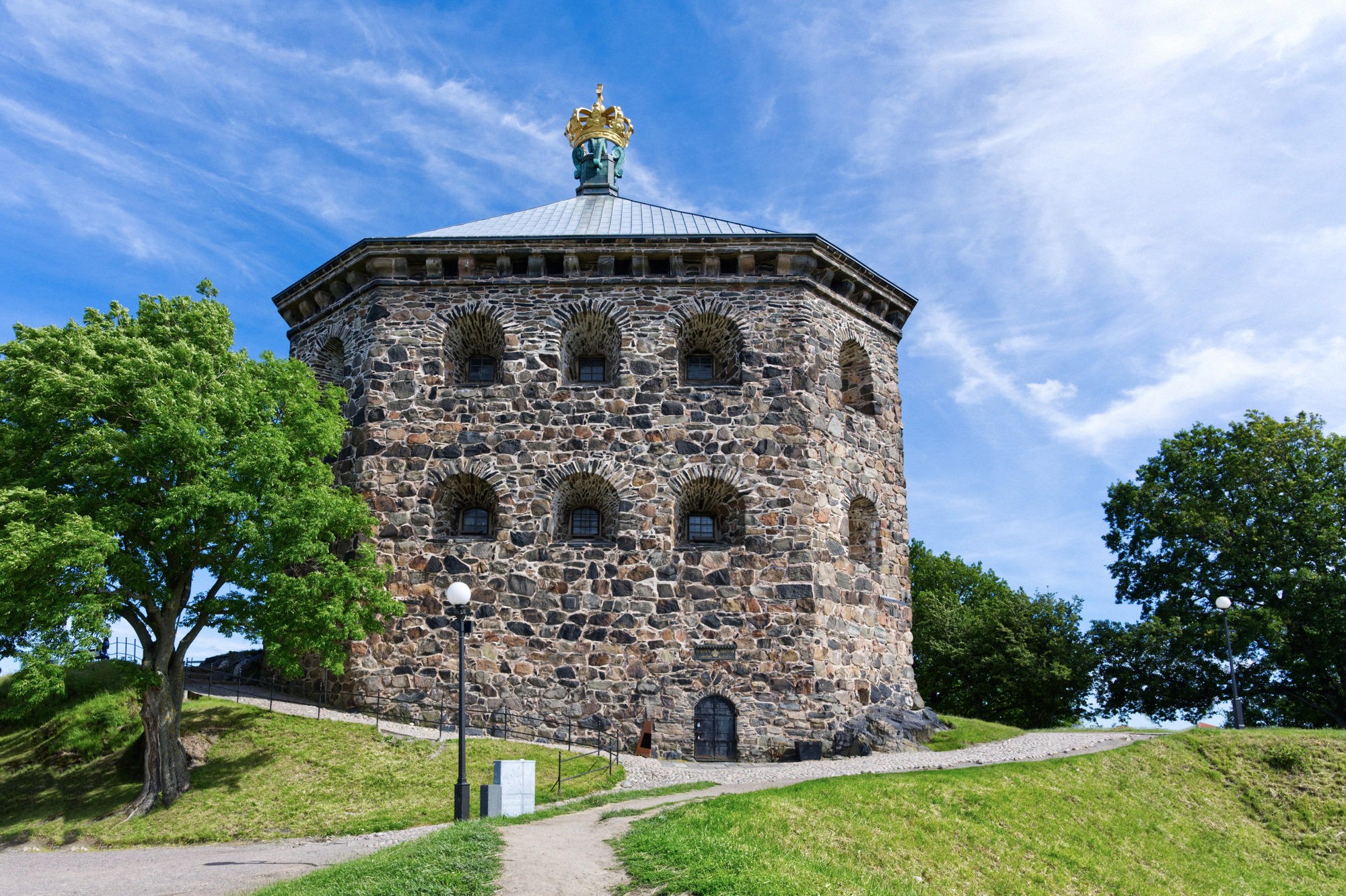
Skansen Kronan
Baroque hilltop redoubt from 1689 above Haga, with a gilded crown and sweeping views over Gothenburg. The hill is open access; the interior only by booking.
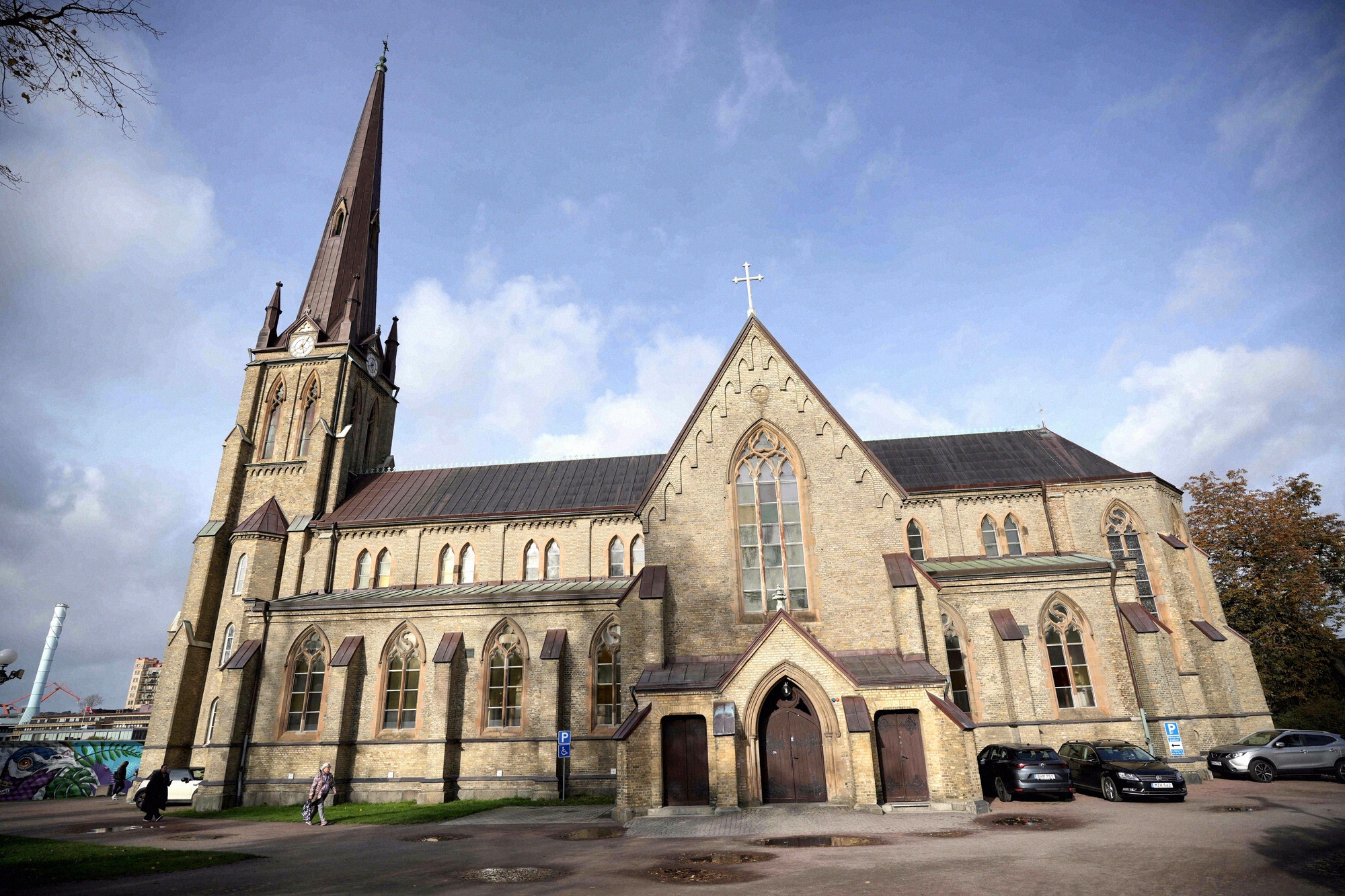
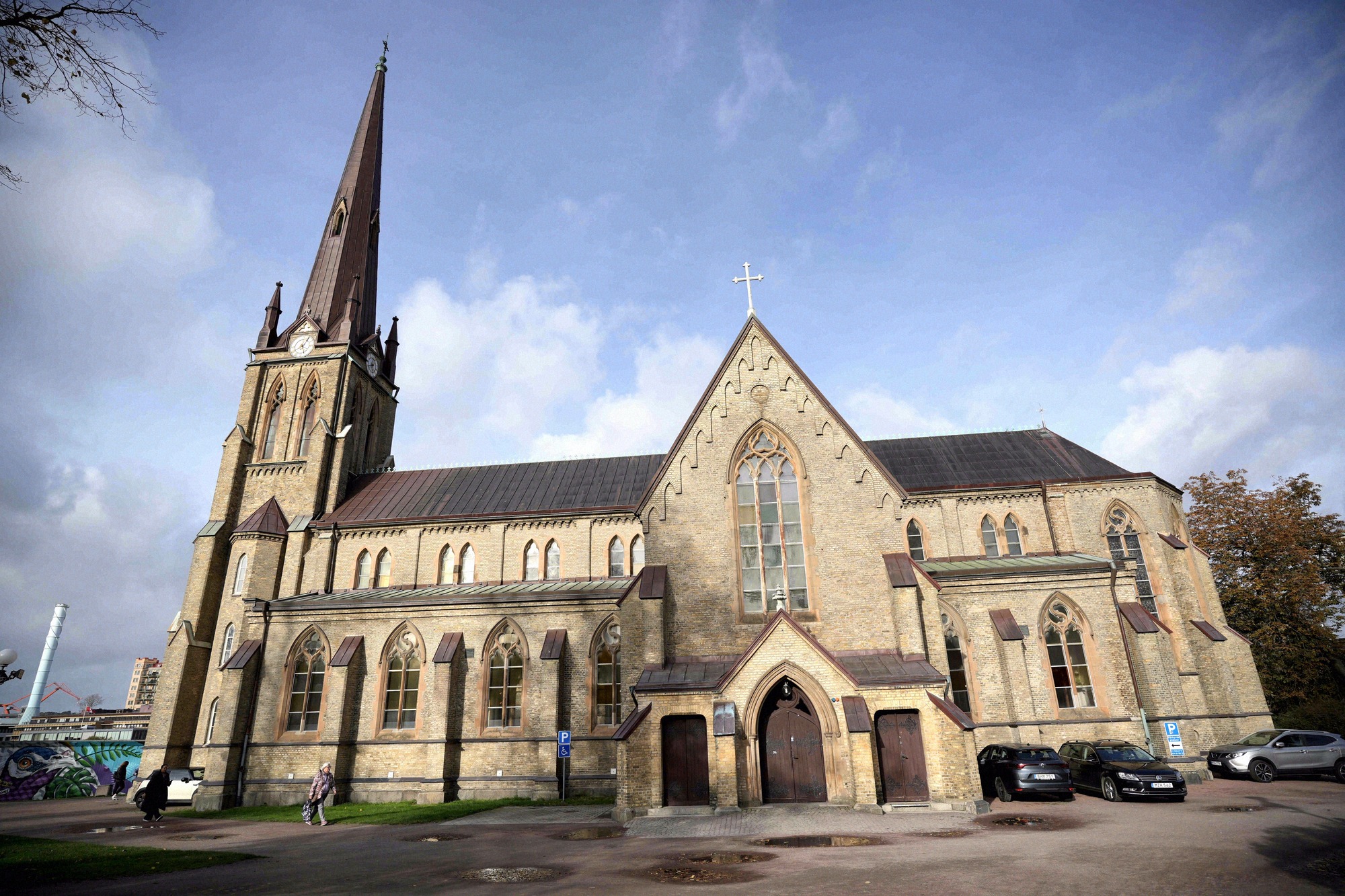
Hagakyrkan
The neo-Gothic brick church from 1859 stands in a small park at the edge of Old Haga, a quiet, free-of-charge start to exploring the neighbourhood.
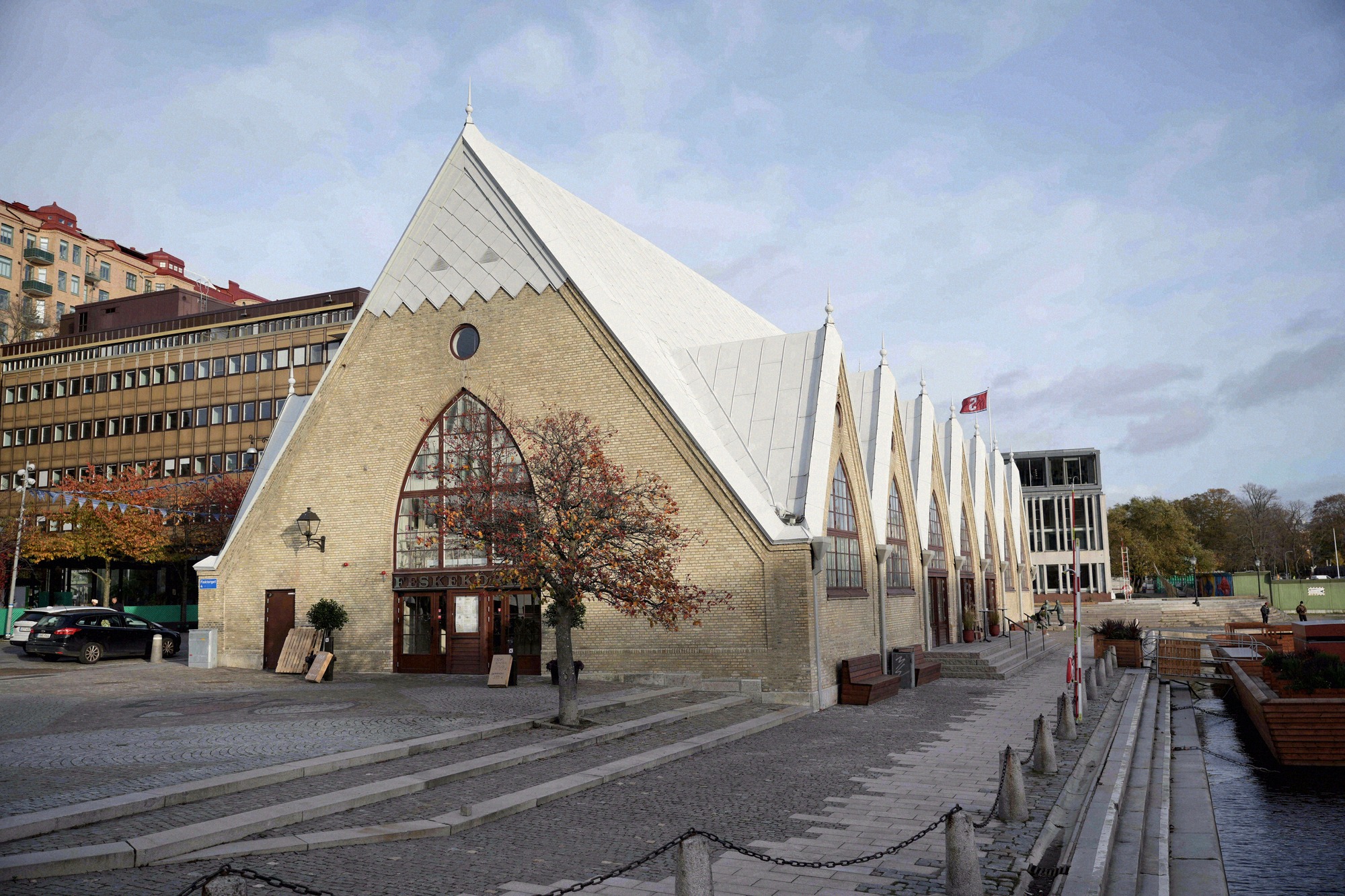
Feskekôrka
Feskekôrka, Gothenburg's fish church, is a market hall shaped like a neo-Gothic church, fresh fish at the stalls and restaurants on the Rosenlundskanal.
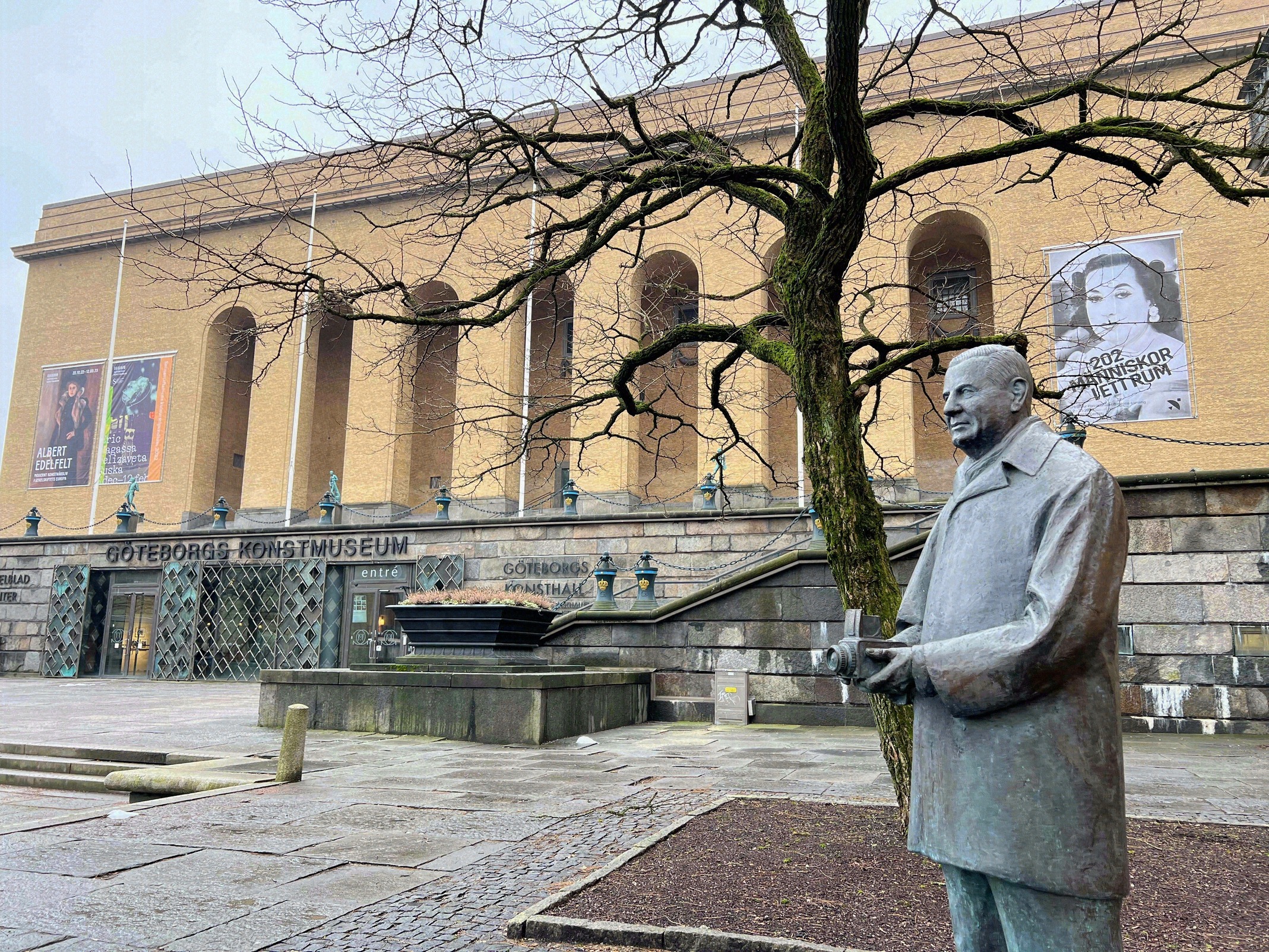
Gothenburg Museum of Art
The art museum at Götaplatsen holds an outstanding collection of Nordic painting, the highlight is the Fürstenberg Gallery with works by Carl Larsson and Anders Zorn.
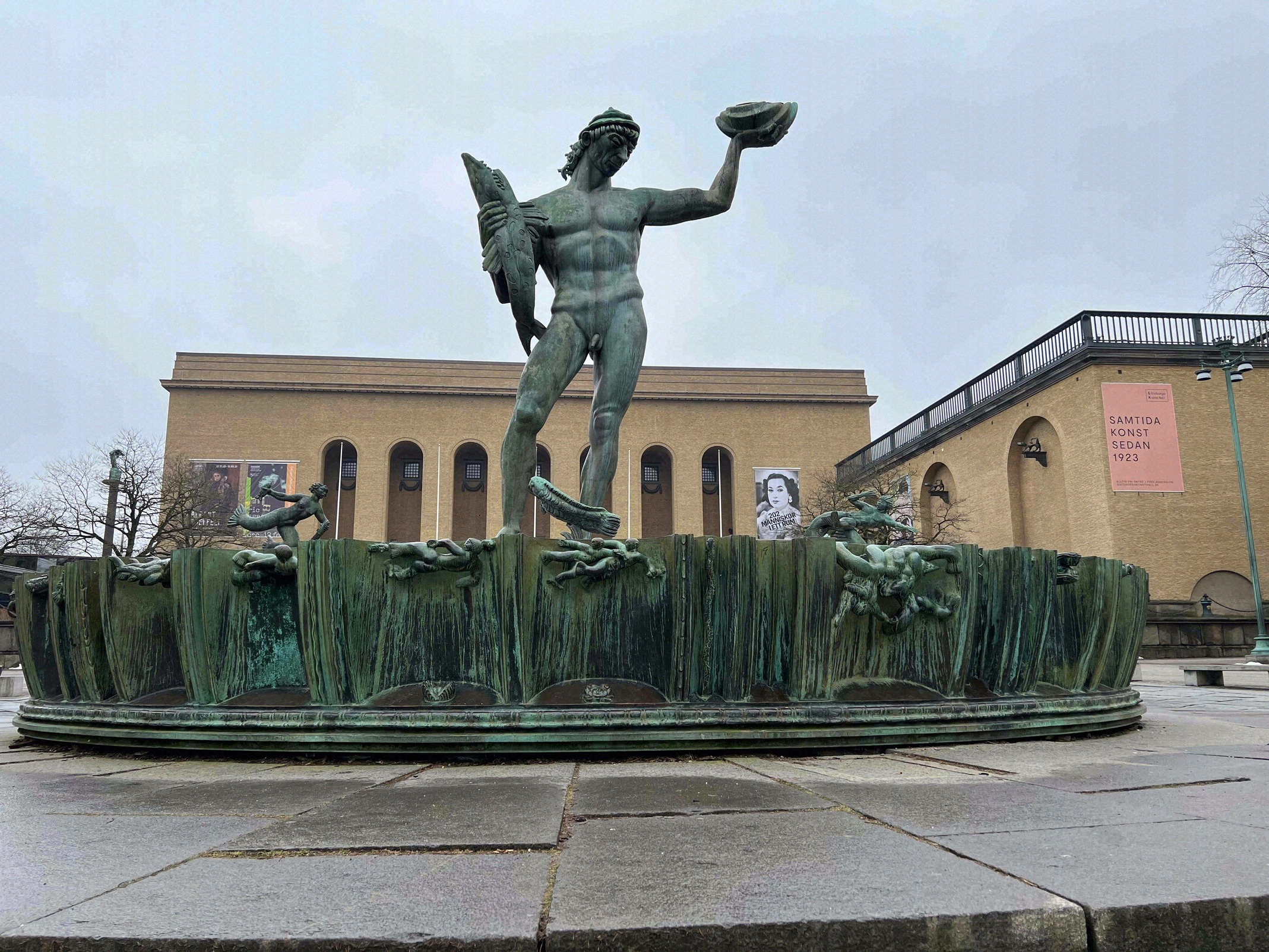
Götaplatsen
Götaplatsen at the head of the Avenyn holds the 7-metre Poseidon fountain statue by Carl Milles, framed by the art museum, concert hall and city library.
World of Volvo
World of Volvo is the brand's experience centre, opened in 2024 in a round timber building by Henning Larsen. Rather than a car museum, it tells a story of design, safety and future visions.