
Feskekôrka
Fish market hall shaped like a church
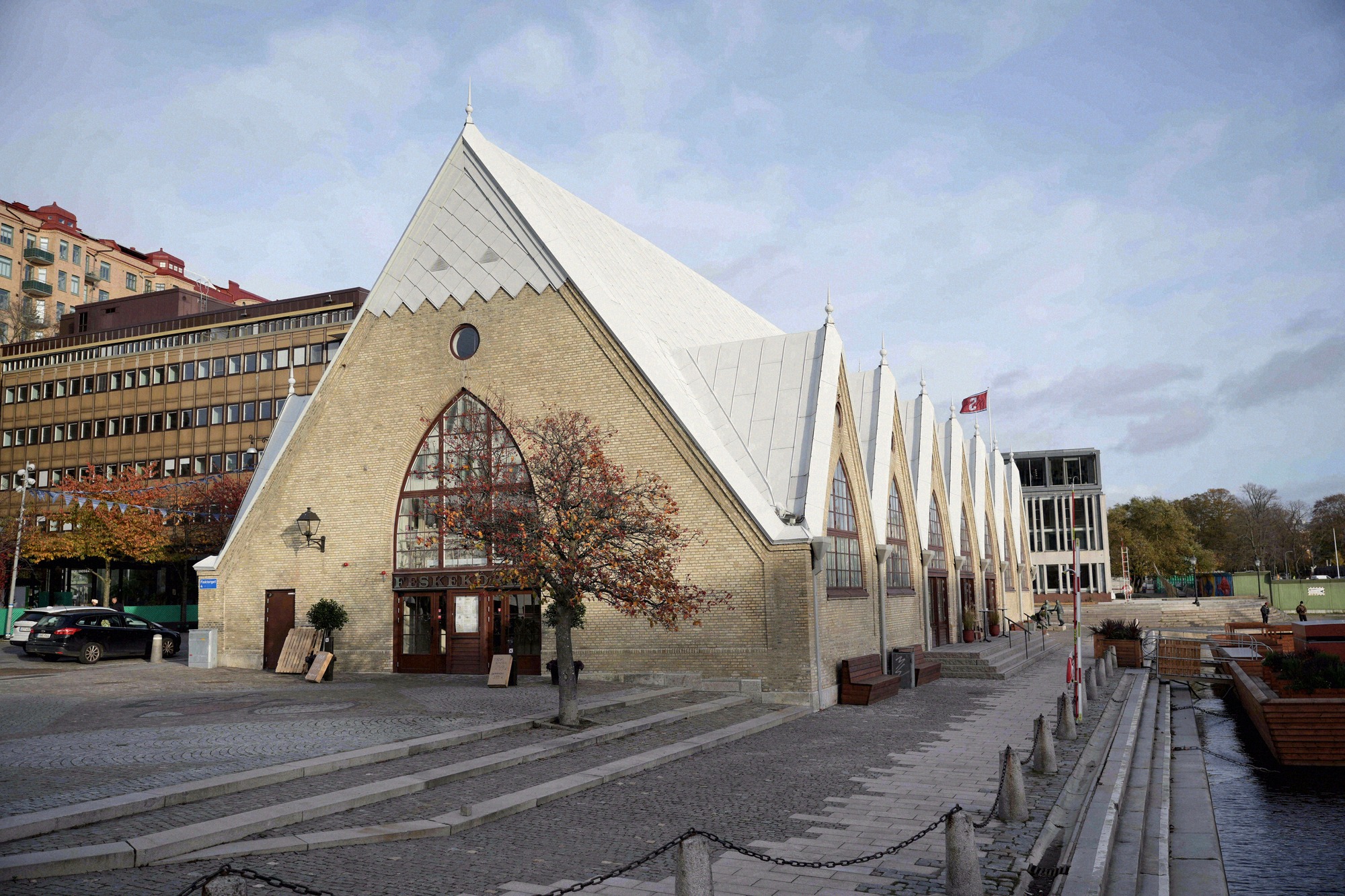
Feskekôrka, Gothenburg's fish church, is a market hall shaped like a neo-Gothic church, fresh fish at the stalls and restaurants on the Rosenlundskanal.
Contents
The fish church on the canal
Feskekôrka - "fish church" in Gothenburg dialect, is one of the city's best-known landmarks. The building on the Rosenlundskanal opened on 1 November 1874, designed by city architect Victor von Gegerfelt. With its pointed arches and steep, tall roof it looks like a neo-Gothic place of worship, but it was built from the start as a market hall for fish and seafood. That very contrast, church shape, fish-market function, is what gave it its nickname and its place among Gothenburg's landmarks.
Reopened after a long renovation
From 2021, the hall underwent a thorough, multi-year renovation. After roughly four years it reopened in early 2024 as a modernised market hall, with renewed fabric and a new mix of fish trading and dining. If you knew Feskekôrka from before, you'll find a noticeably upgraded building today, with stalls and restaurants sharing the space under the same distinctive roof.
What to expect
Fishmongers and eateries share the hall between them:
- At the fish stalls Ebbes Fångst and Flåtens Fiskhandel you can buy fresh fish, crab, lobster and oysters, landed straight from Sweden's west coast.
- The restaurants and bars Haldis kök, Ekmans, Lilla Åstols Rökeri and Victor von G serve seafood and fish dishes on the spot, from a quick bite to a full menu.
- The stalls are open Tuesday to Saturday, while the eateries keep their own, longer hours, some open daily until 22:00, so the hall also works as an evening destination.
Entry is free; you only pay for what you buy at the stalls or eat in a restaurant. There are no published price lists, but seafood dishes typically sit in the mid-to-upper range, priced in SEK.
Visiting and getting there
30 to 60 minutes is enough for a look around plus a bite to eat. It's most pleasant in the morning, shortly after opening at 10:00, when the stalls are freshly stocked and the hall is still quiet; it fills up around lunchtime. There's no central booking system, the hall is open to walk in, though individual restaurants take their own table reservations.
Feskekôrka sits centrally on the Rosenlundskanal at Fisktorget 4 and is an easy walk from the city centre. Nearby tram stops are Grönsakstorget, Järntorget and Stenpiren. The visit pairs well with a stroll through the neighbouring Haga district; the city centre and Gothenburg Cathedral are just a few minutes away. For more on west coast cuisine, see our guide to food and drink in Gothenburg.
Frequently asked questions
Why is the fish hall called Feskekôrka? +
How much does it cost to visit? +
When is Feskekôrka open? +
Can you eat at Feskekôrka? +
How do you get to Feskekôrka? +
Nearby
Hagakyrkan
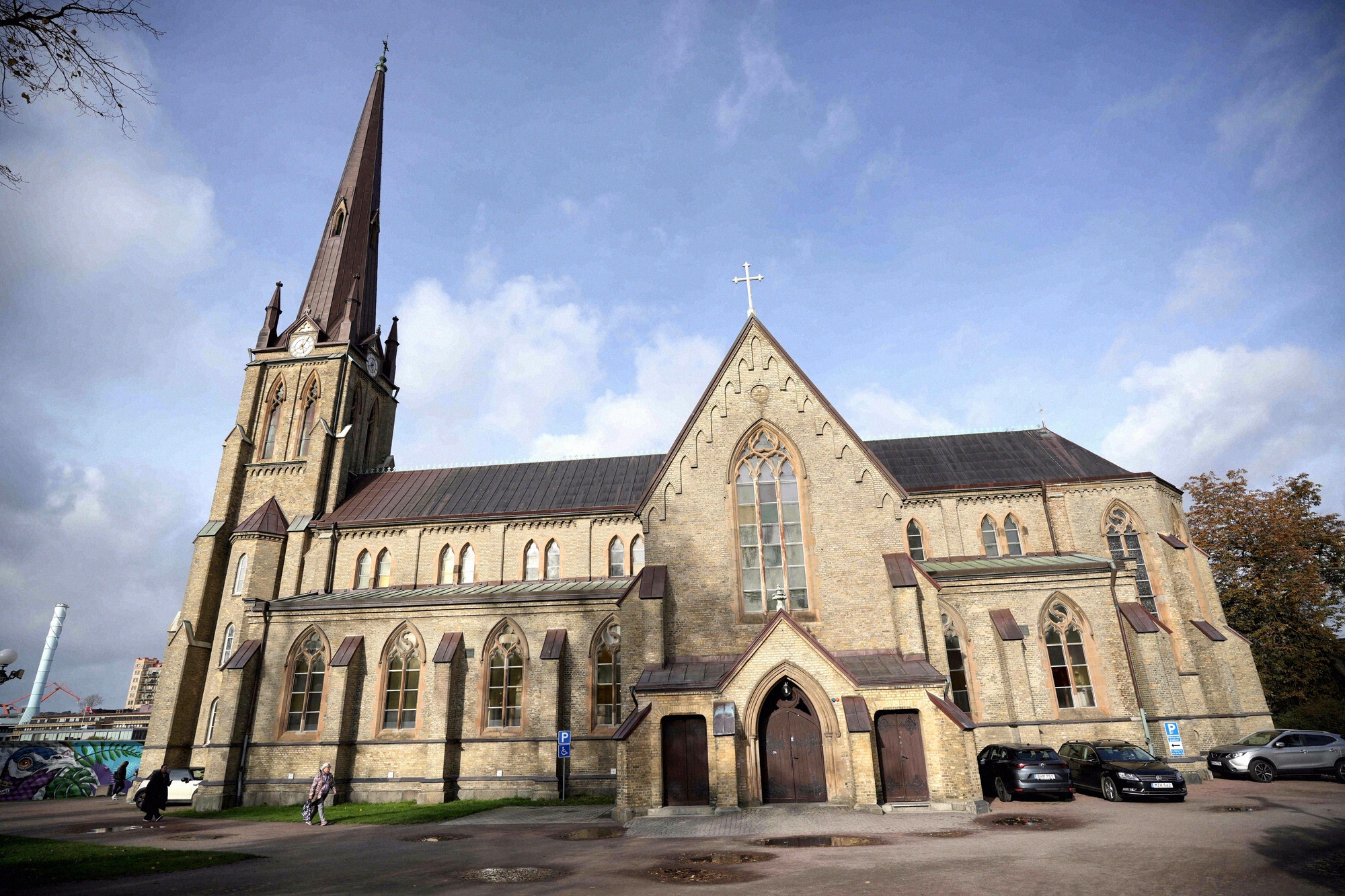
The neo-Gothic brick church from 1859 stands in a small park at the edge of Old Haga, a quiet, free-of-charge start to exploring the neighbourhood.
Gothenburg Cathedral
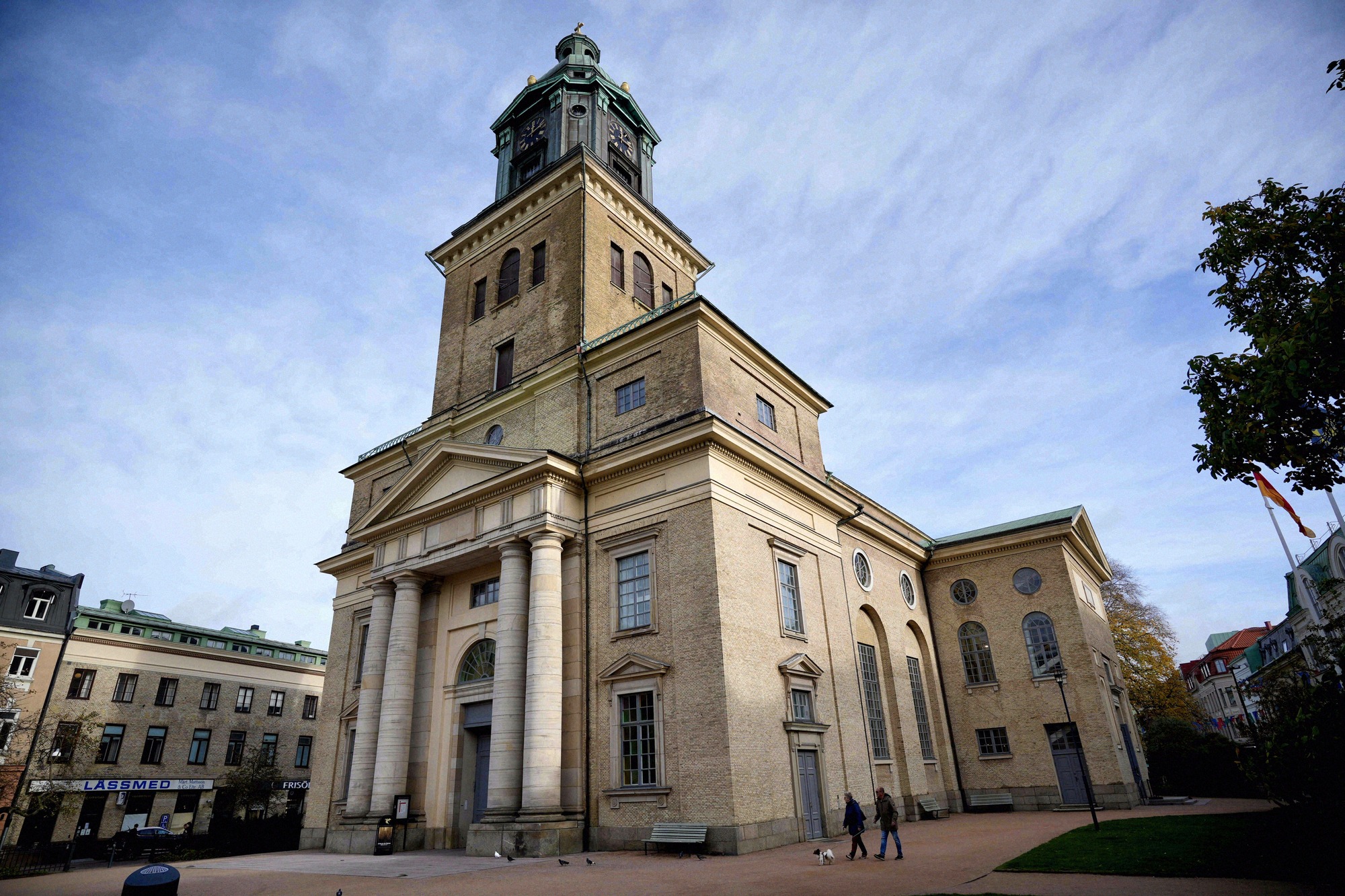
The neoclassical cathedral from 1815 in Inom Vallgraven, a bright white-and-gold interior with an angel altar and columns. Free entry, a quiet stop in the centre.
Skansen Kronan
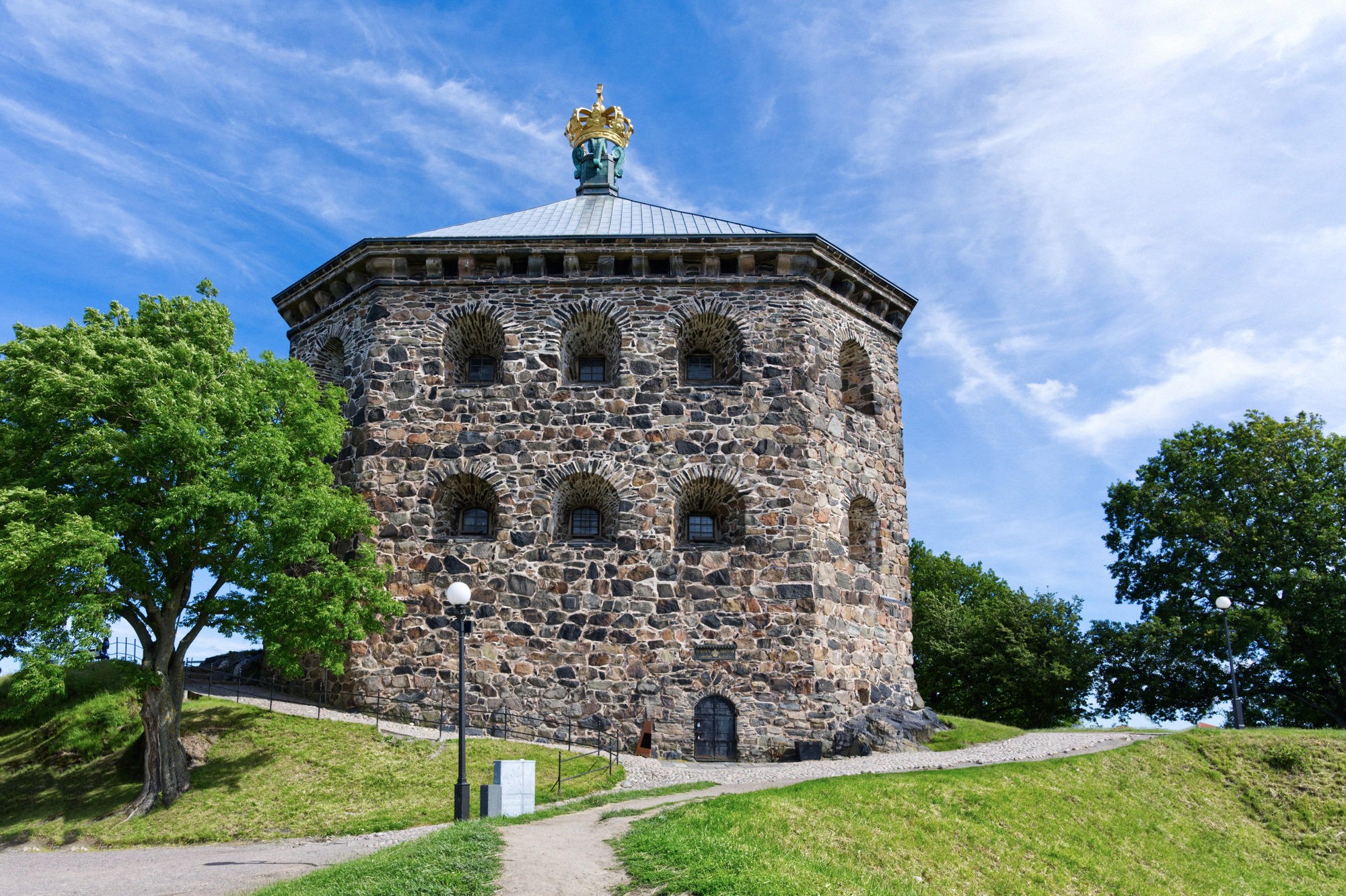
Baroque hilltop redoubt from 1689 above Haga, with a gilded crown and sweeping views over Gothenburg. The hill is open access; the interior only by booking.
Röhsska Museum
Sweden's only design museum, near the Avenyn, holds an open chair store with over 500 chairs, East Asian art and a hall for Nordic design.
Kronhuset
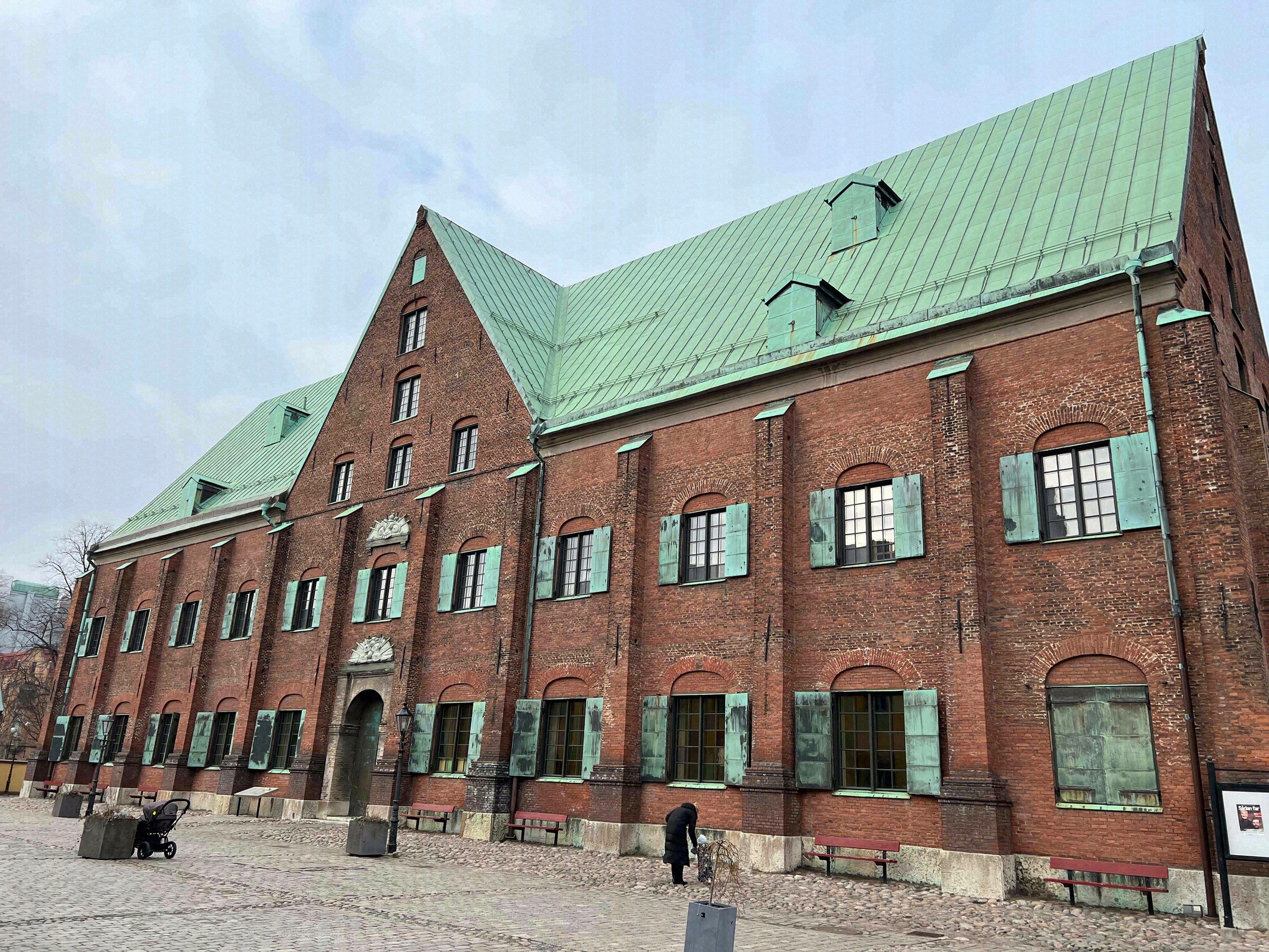
Kronhuset, once a military arsenal, is Gothenburg's oldest surviving building, with a courtyard, craft shops (Kronhusbodarna) and a café, free to visit.
Trädgårdsföreningen
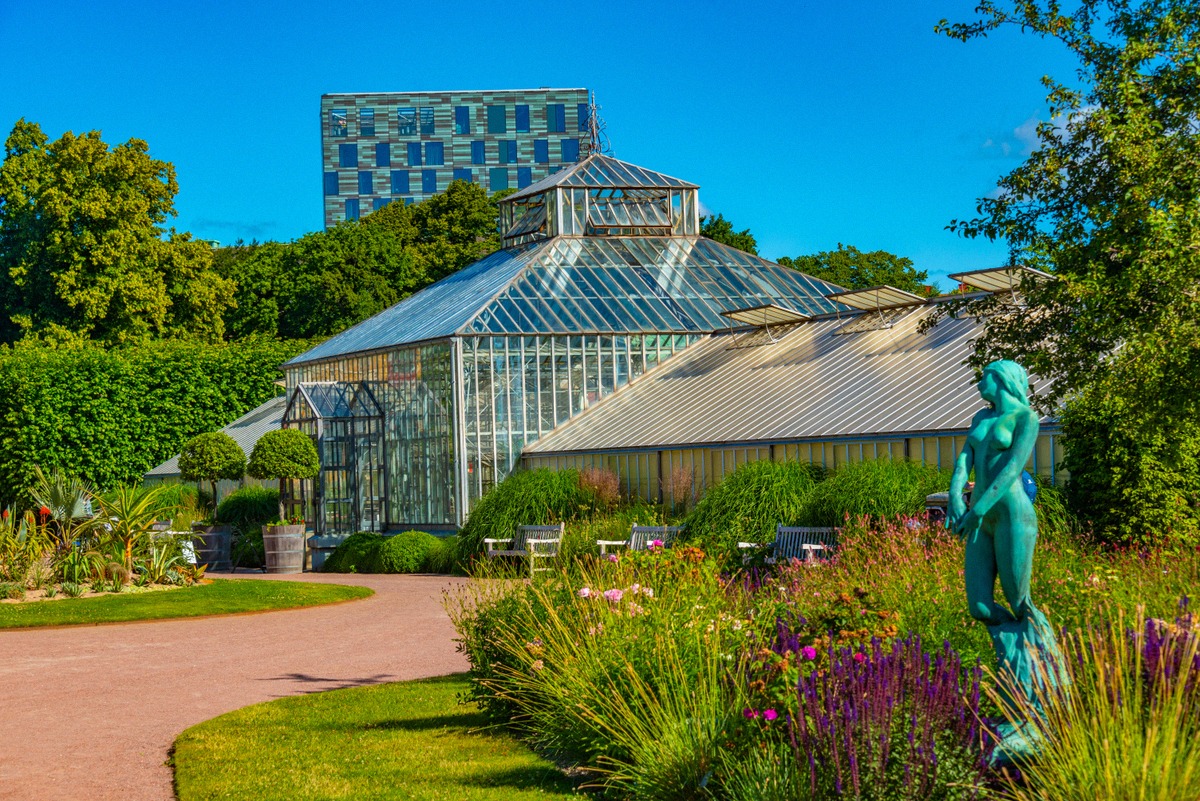
Historic city park from 1842 opposite Gothenburg Central Station, with a large rose garden and an 1878 glass palm house. Free entry to both.