
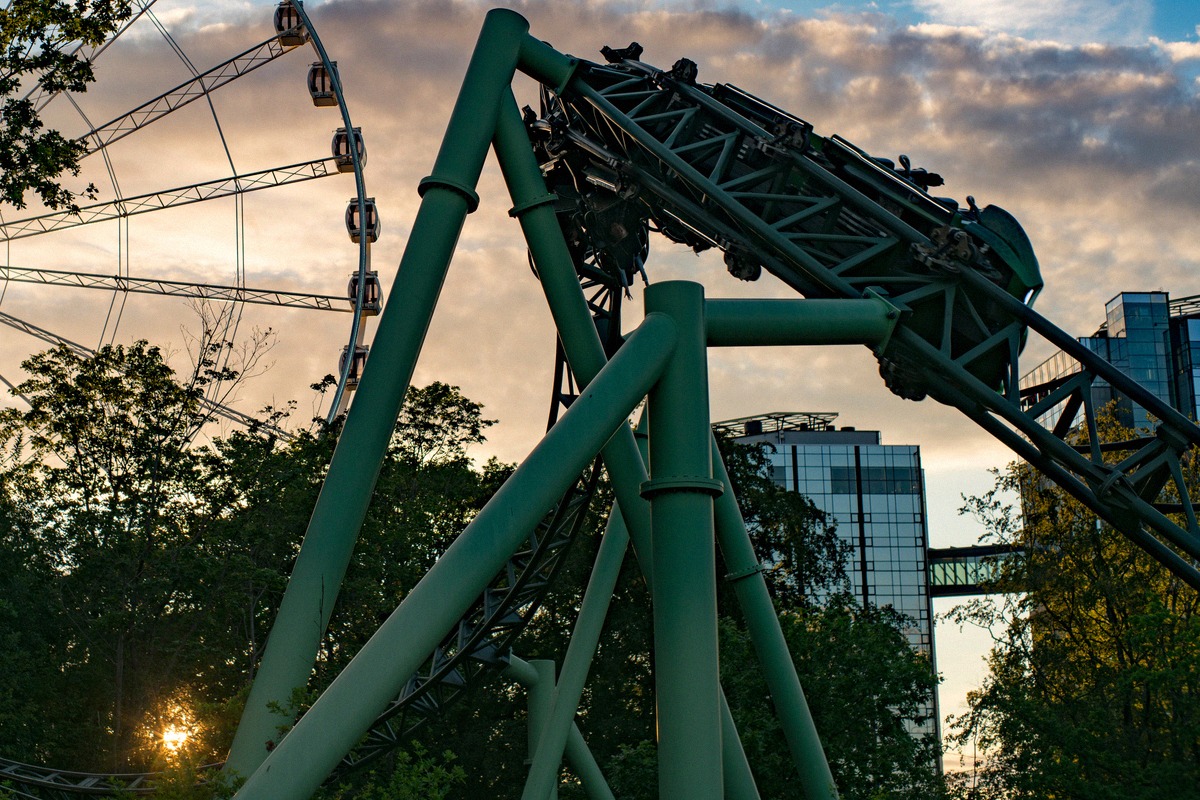
Liseberg
Scandinavia's largest amusement park
Overview
The 18 must-see attractions in Gothenburg at a glance, from Liseberg to Universeum and the archipelago, plus 11 free sights such as Slottsskogen and Feskekôrka.
Scandinavia's largest amusement park
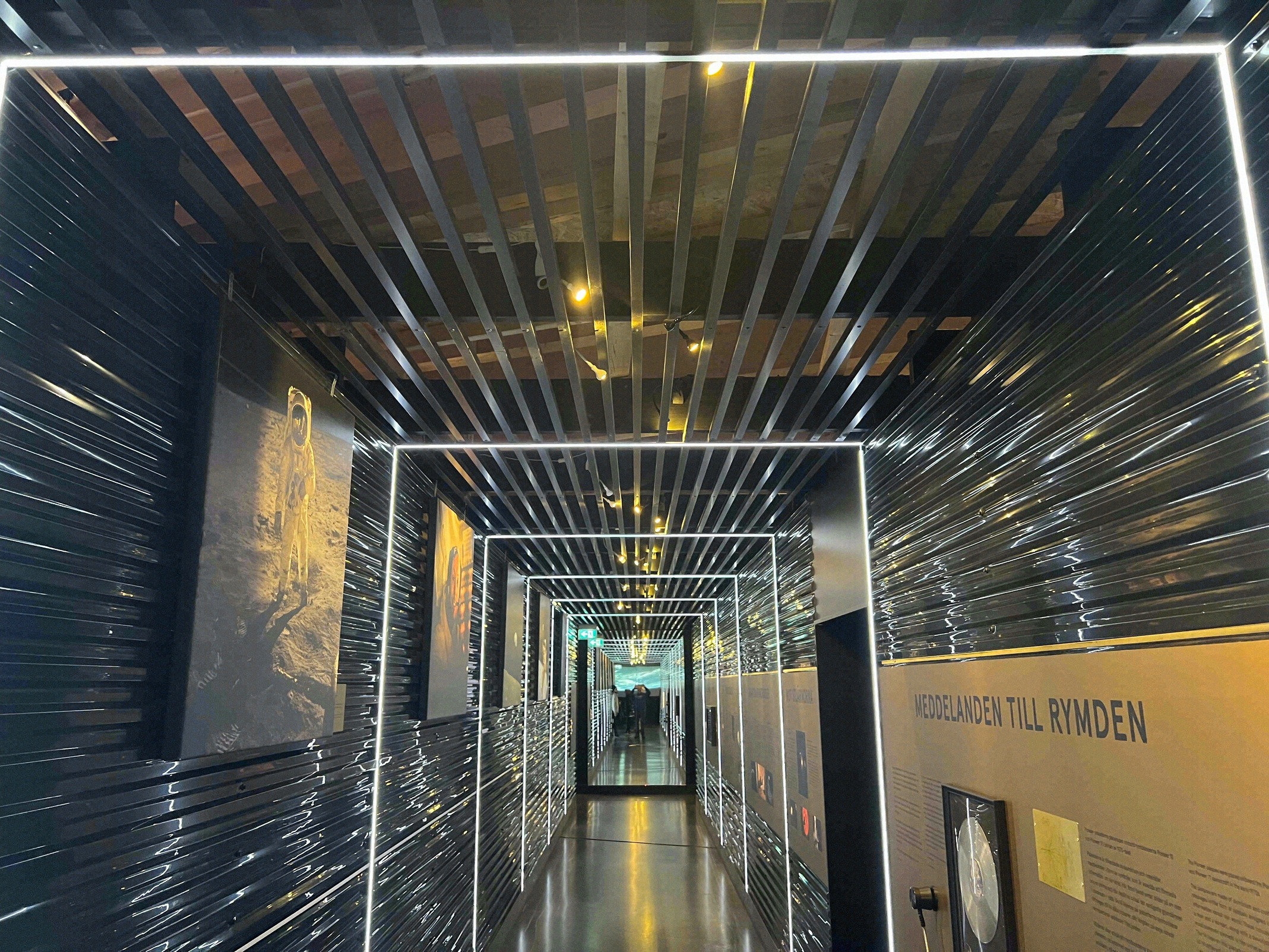
Science centre with rainforest and aquarium
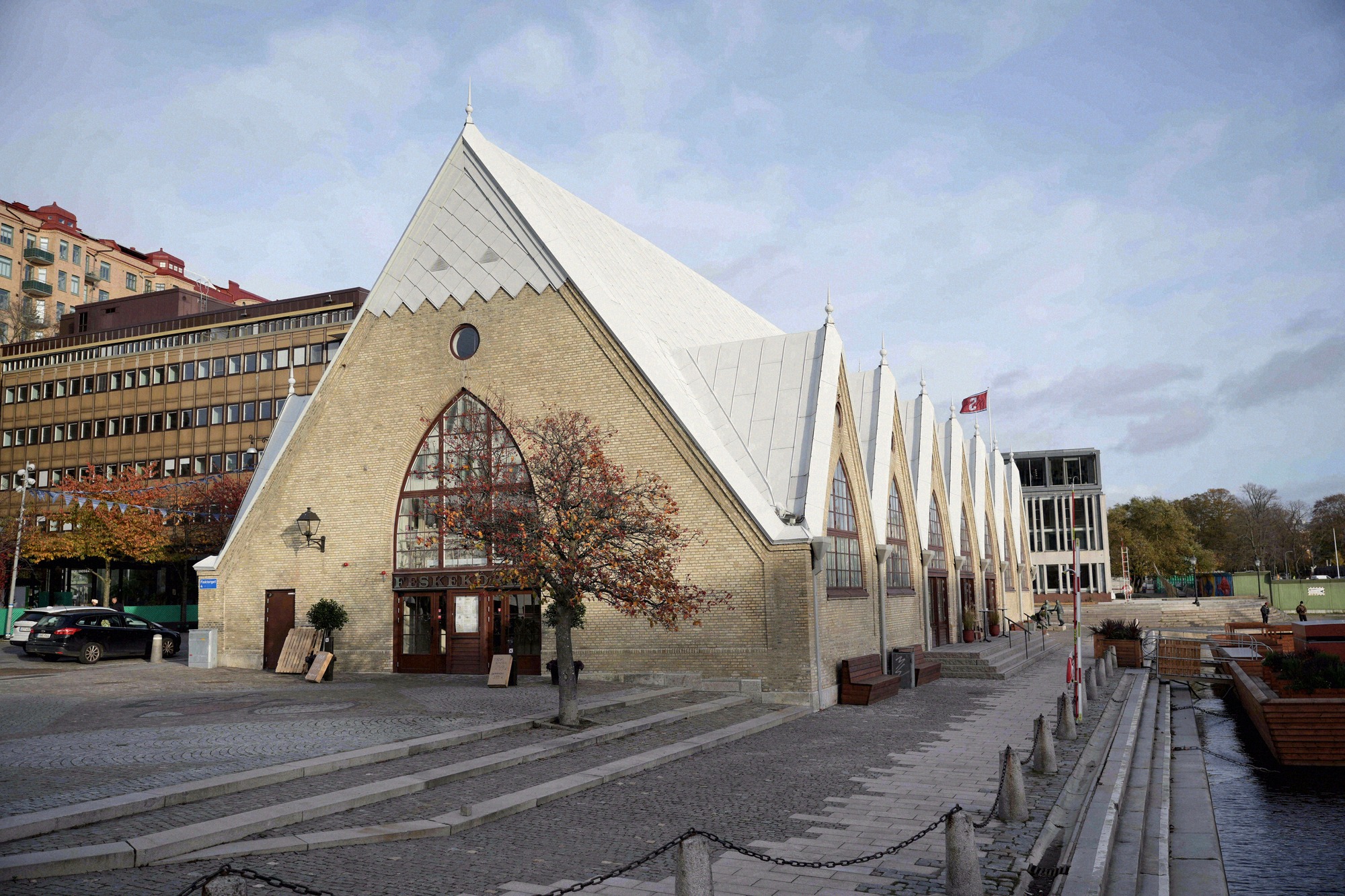
Fish market hall shaped like a church
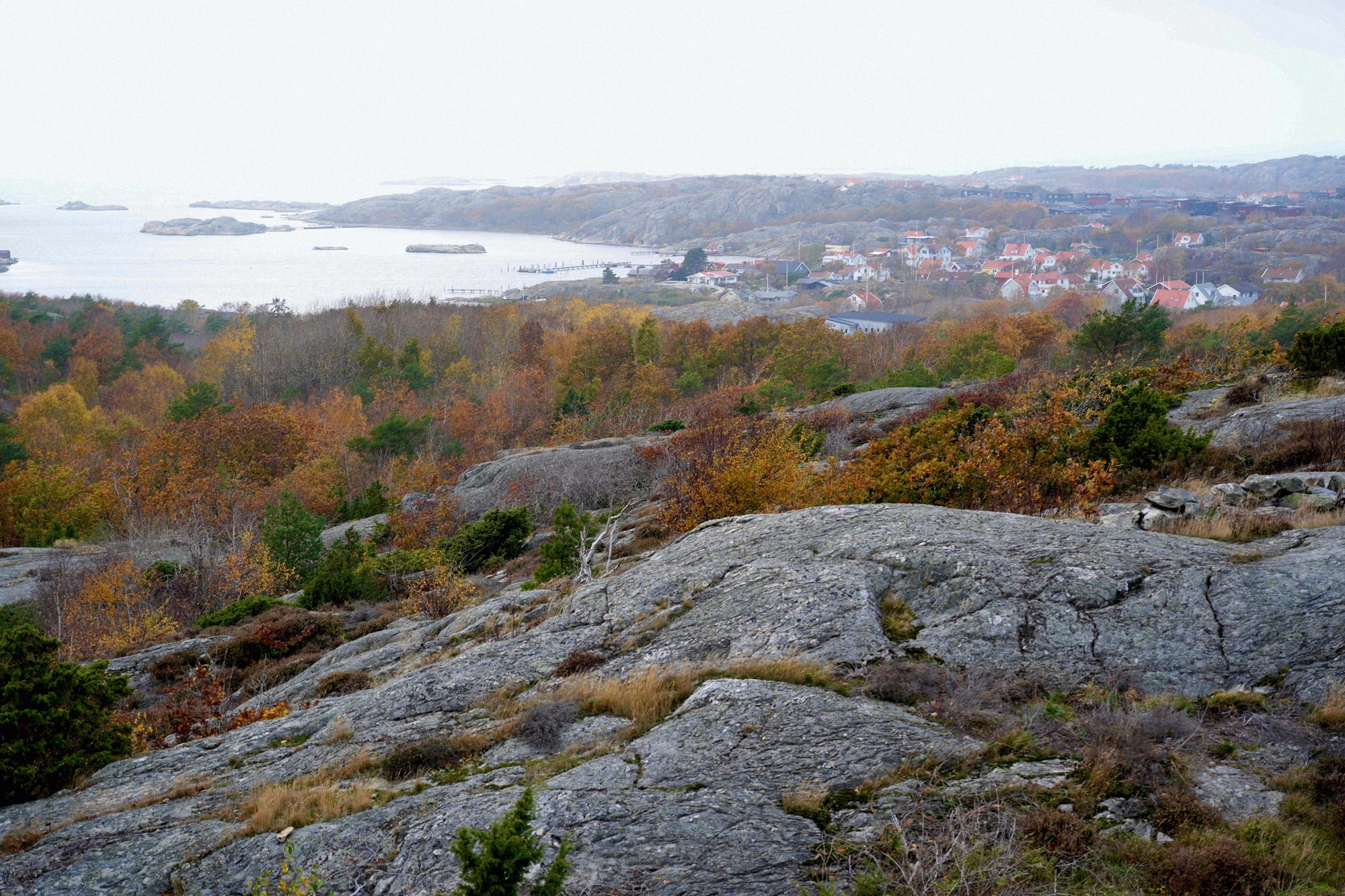
Car-free island world south of the city, reached by ferry
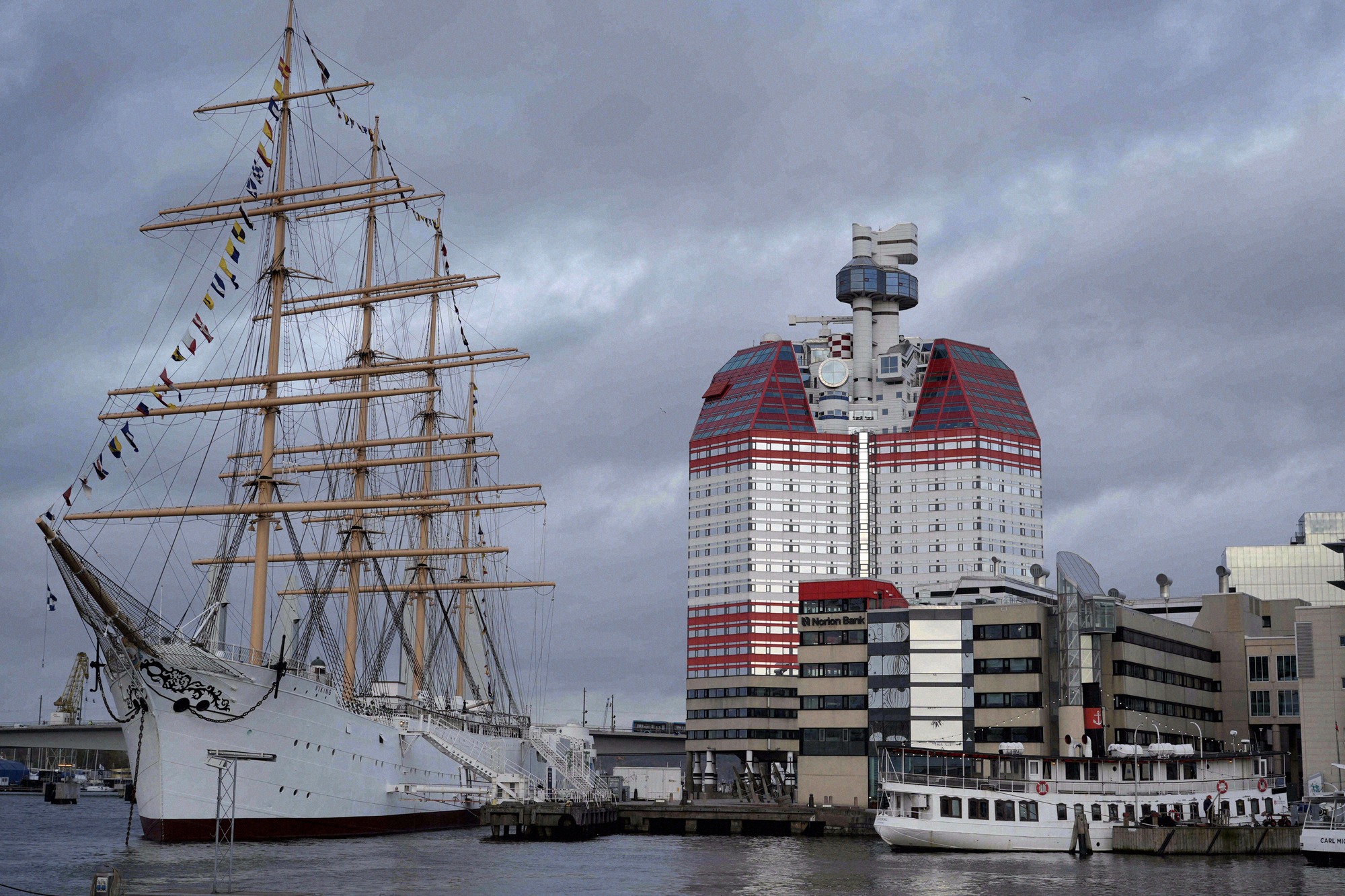
Historic ships you can climb aboard in the harbour
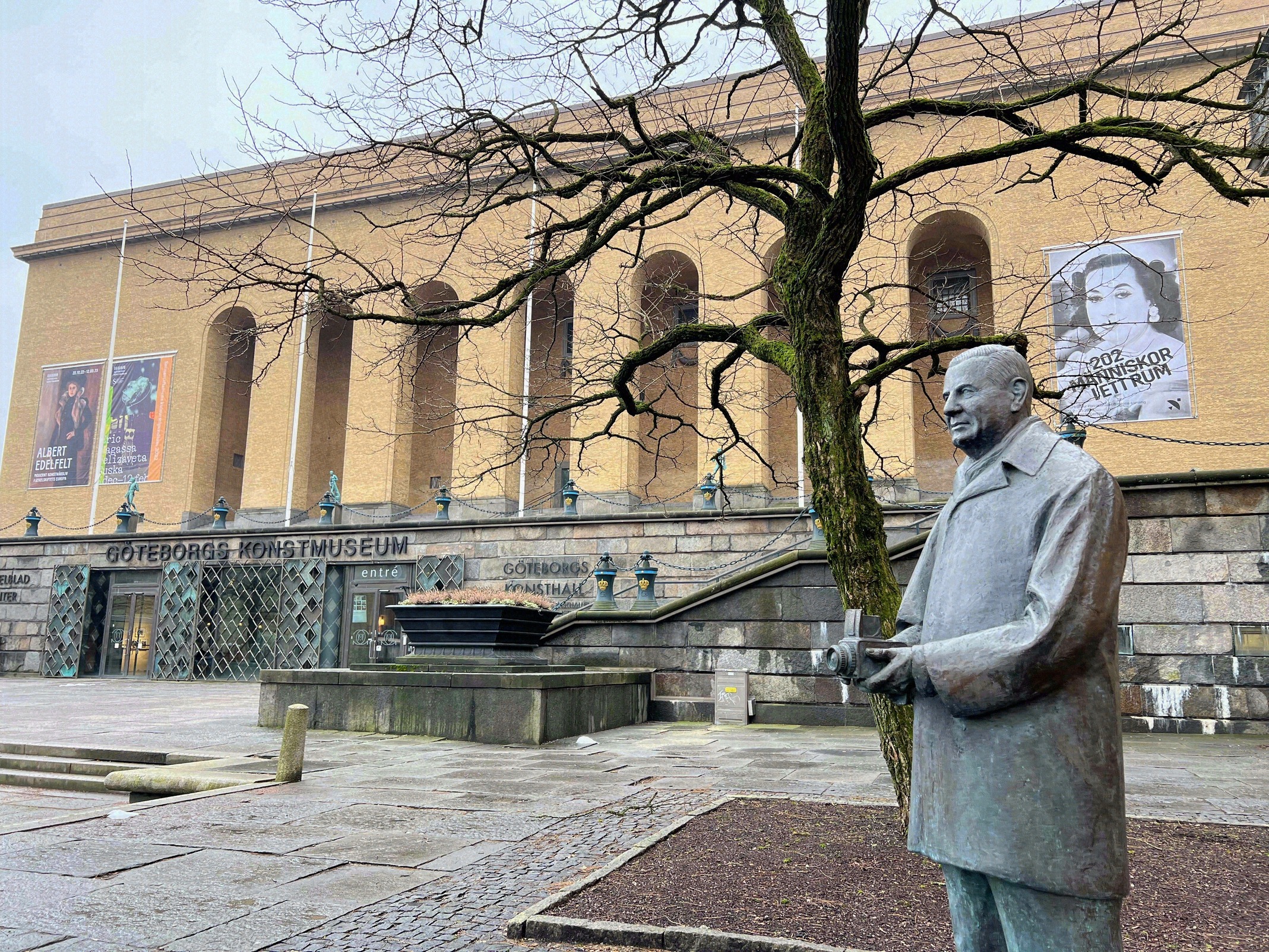
Collection of Nordic painting at Götaplatsen
Sweden's museum of design and craft
Experience centre in Gothenburg
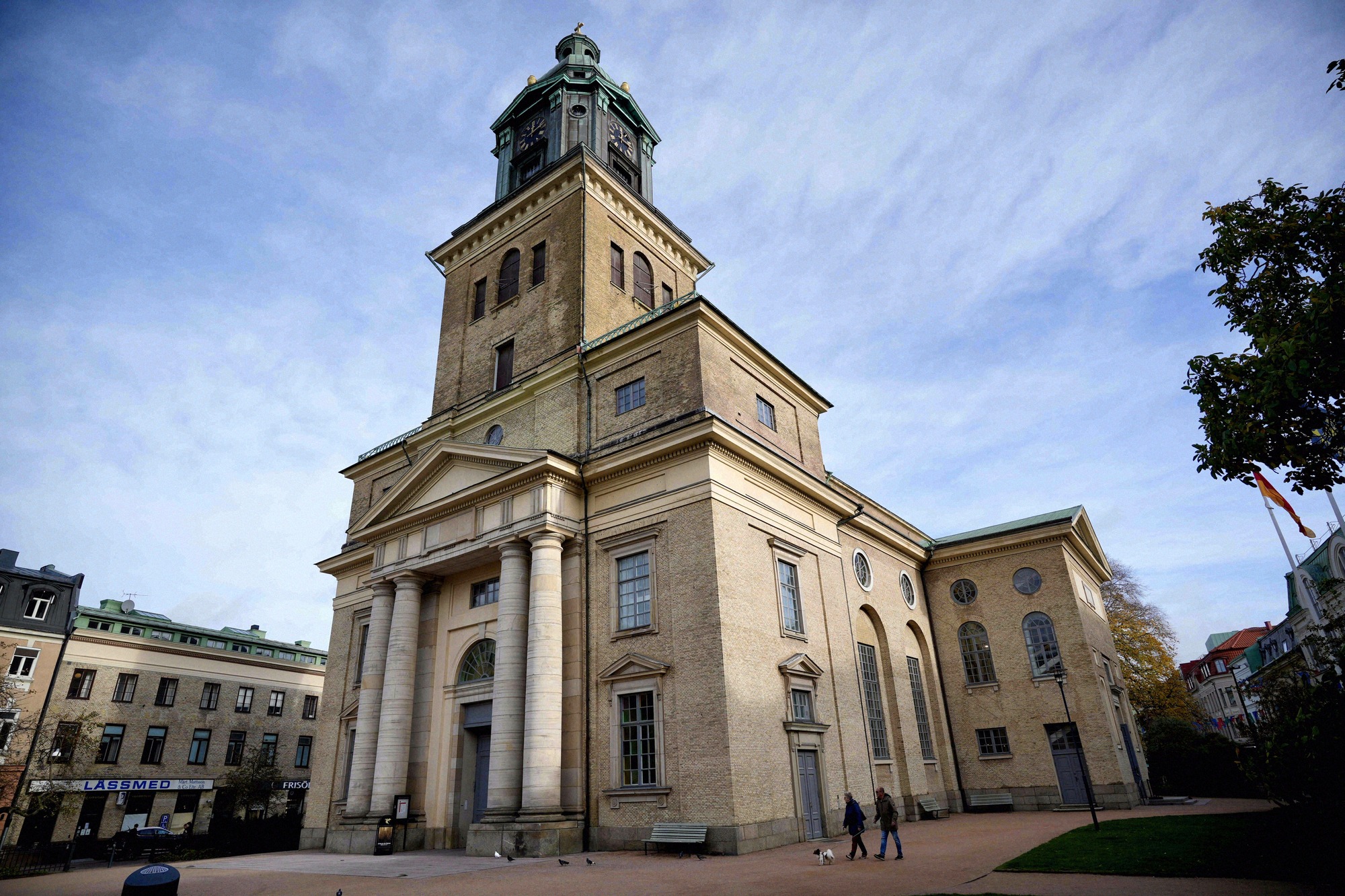
Neoclassical church in the old town
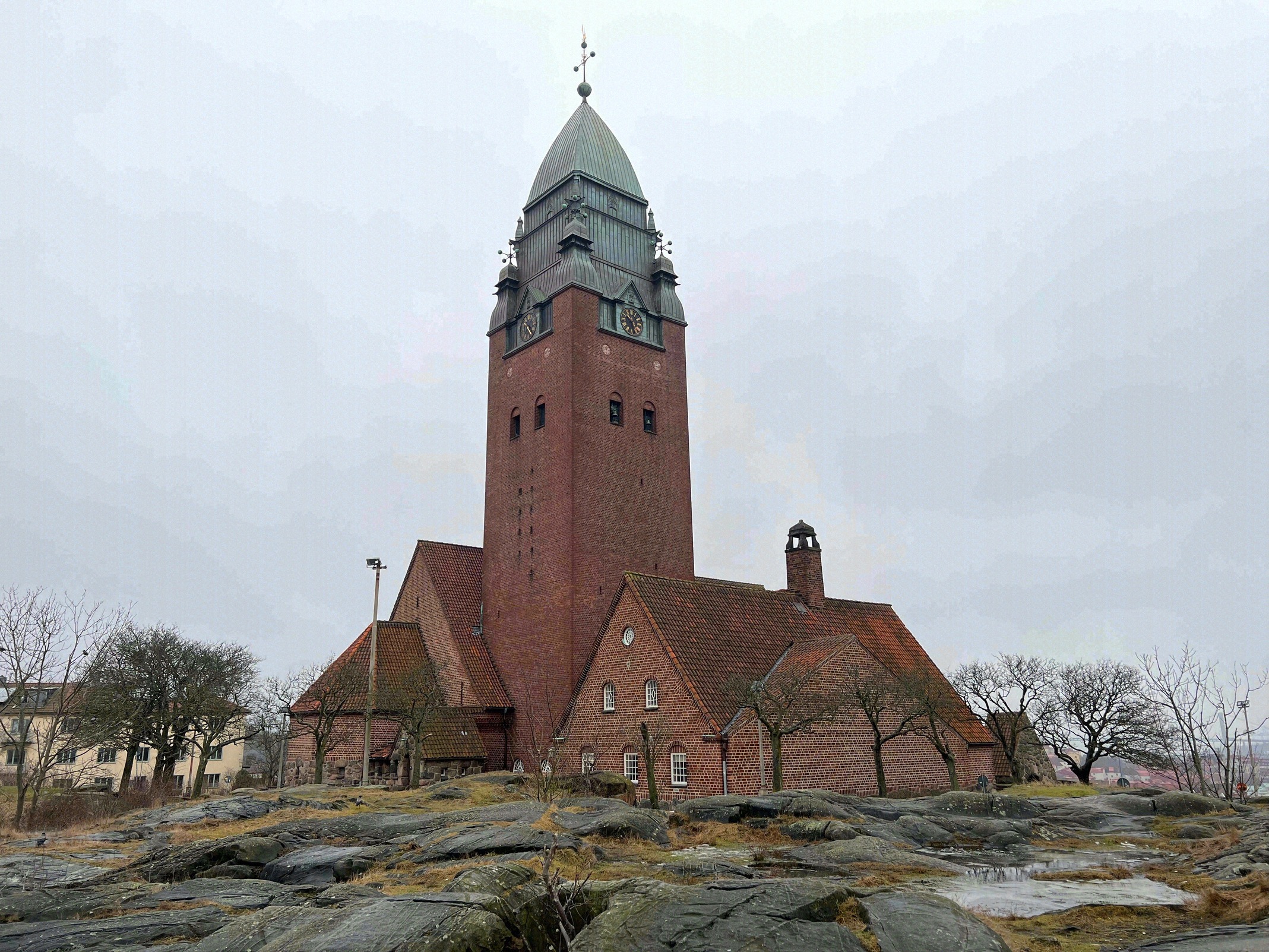
National Romantic church with a view
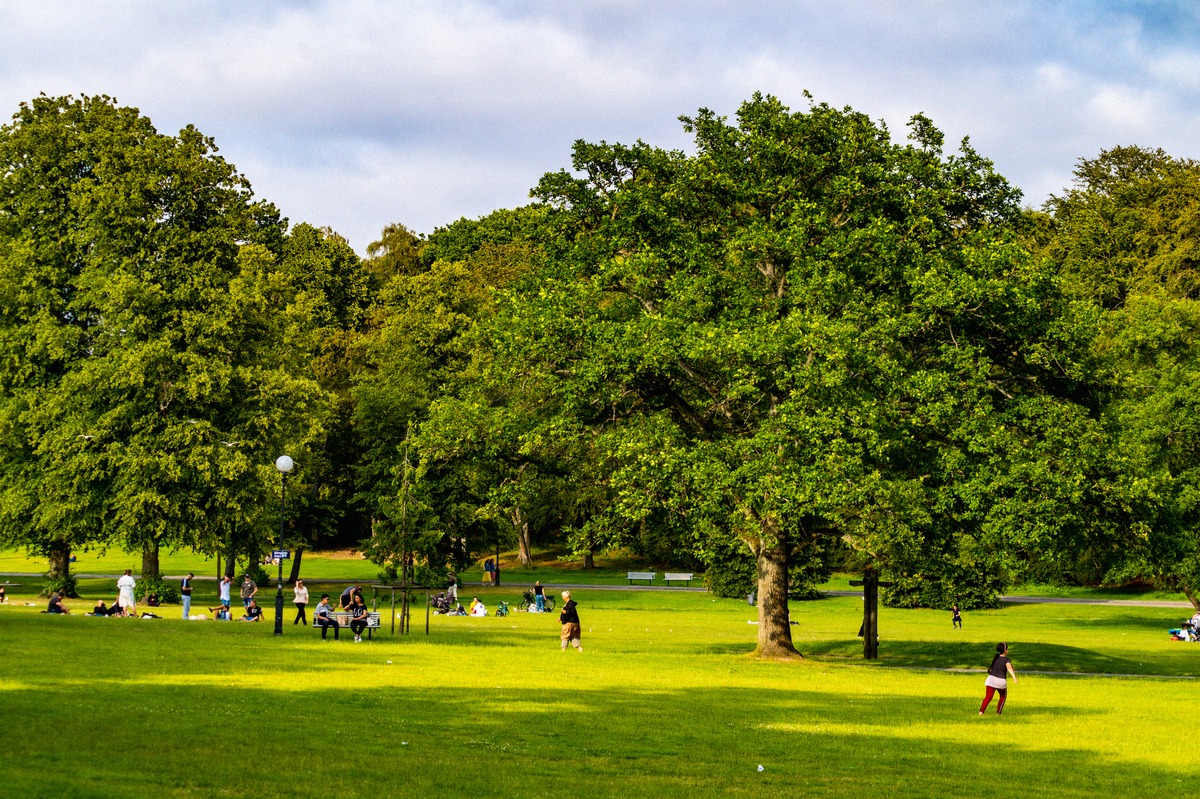
Free city park with an animal park and museum
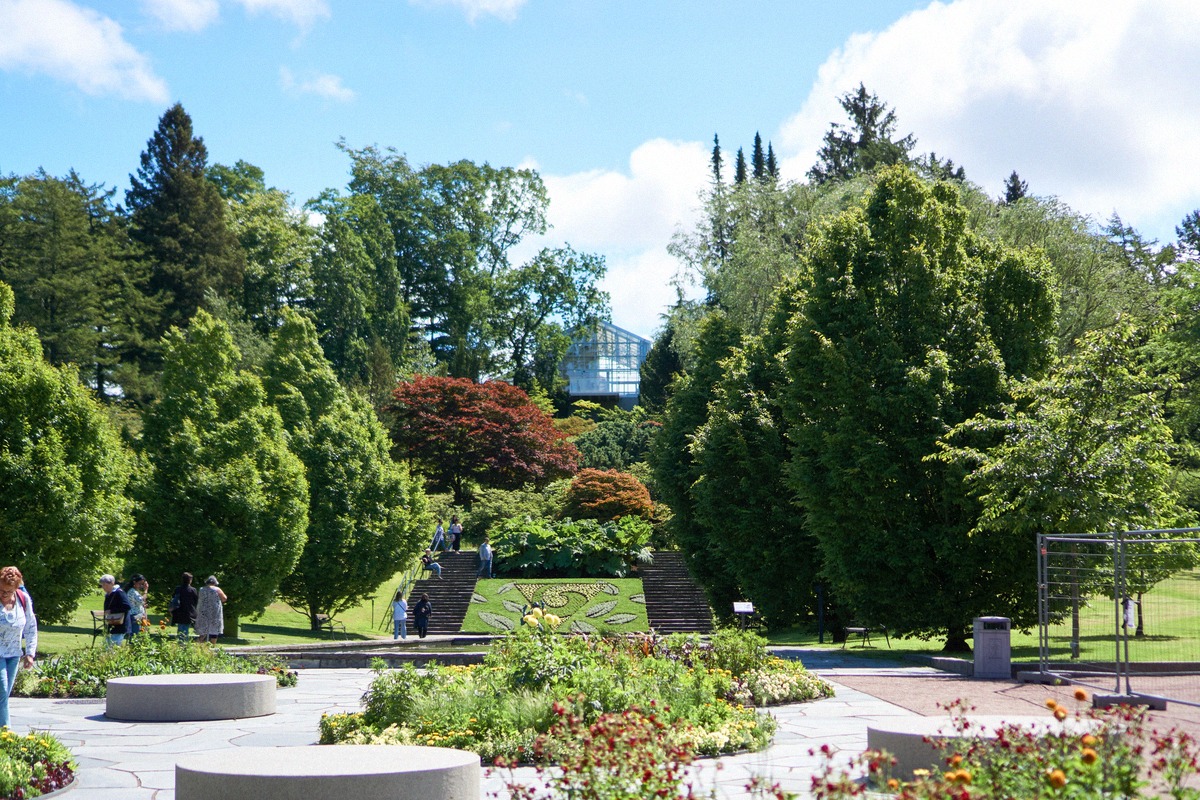
Botanical garden with an award-winning rock garden
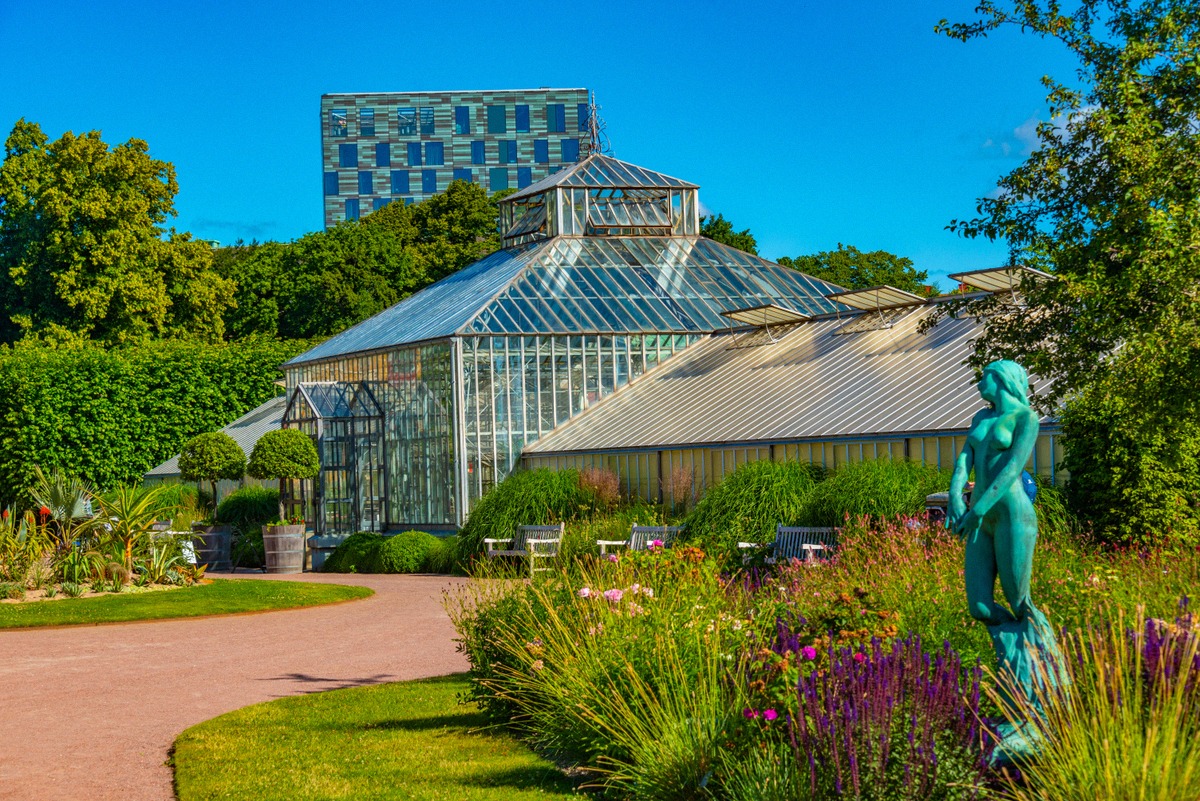
Historic city park with a rose garden and palm house
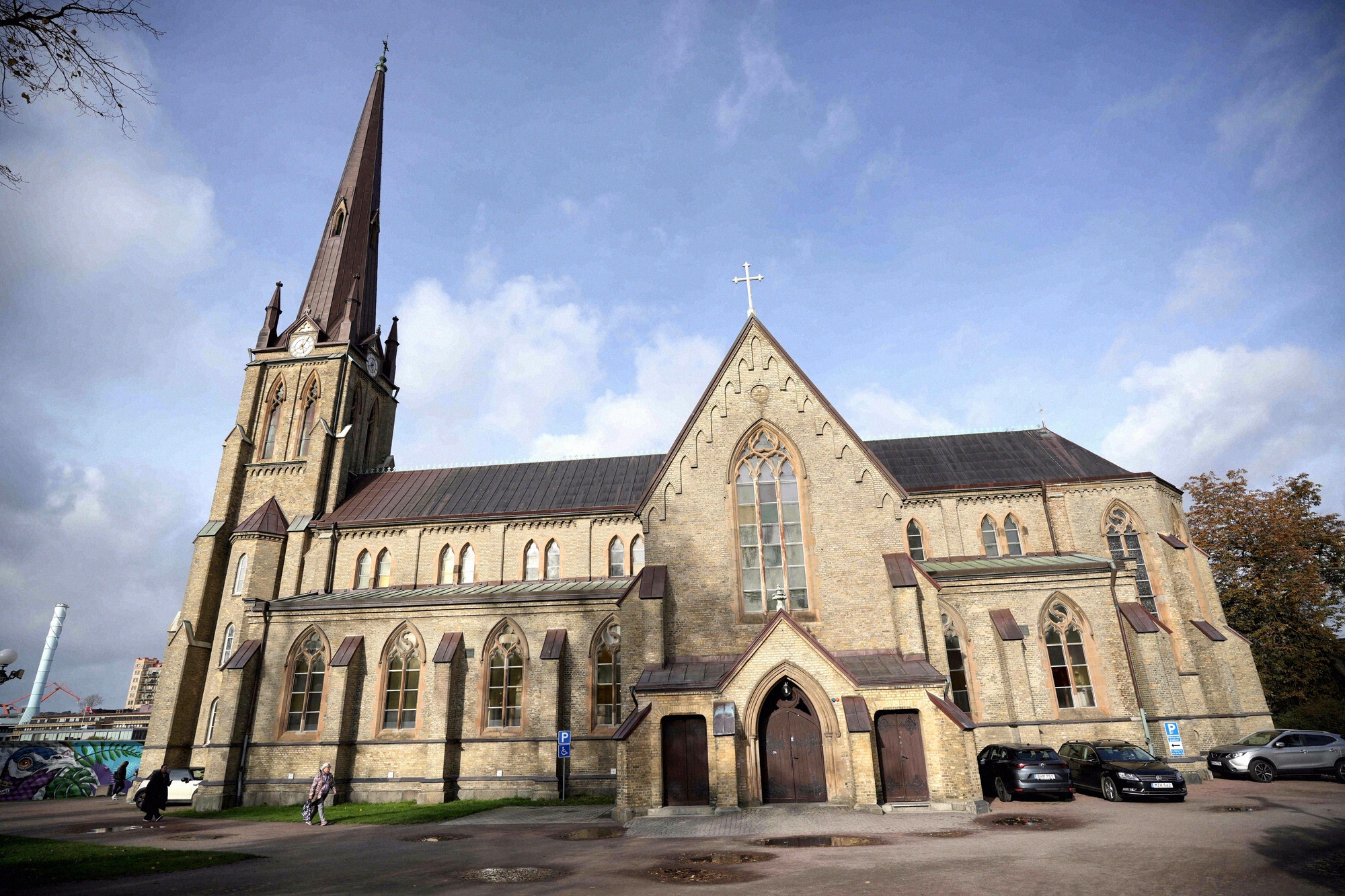
Neo-Gothic church by the Haga neighbourhood
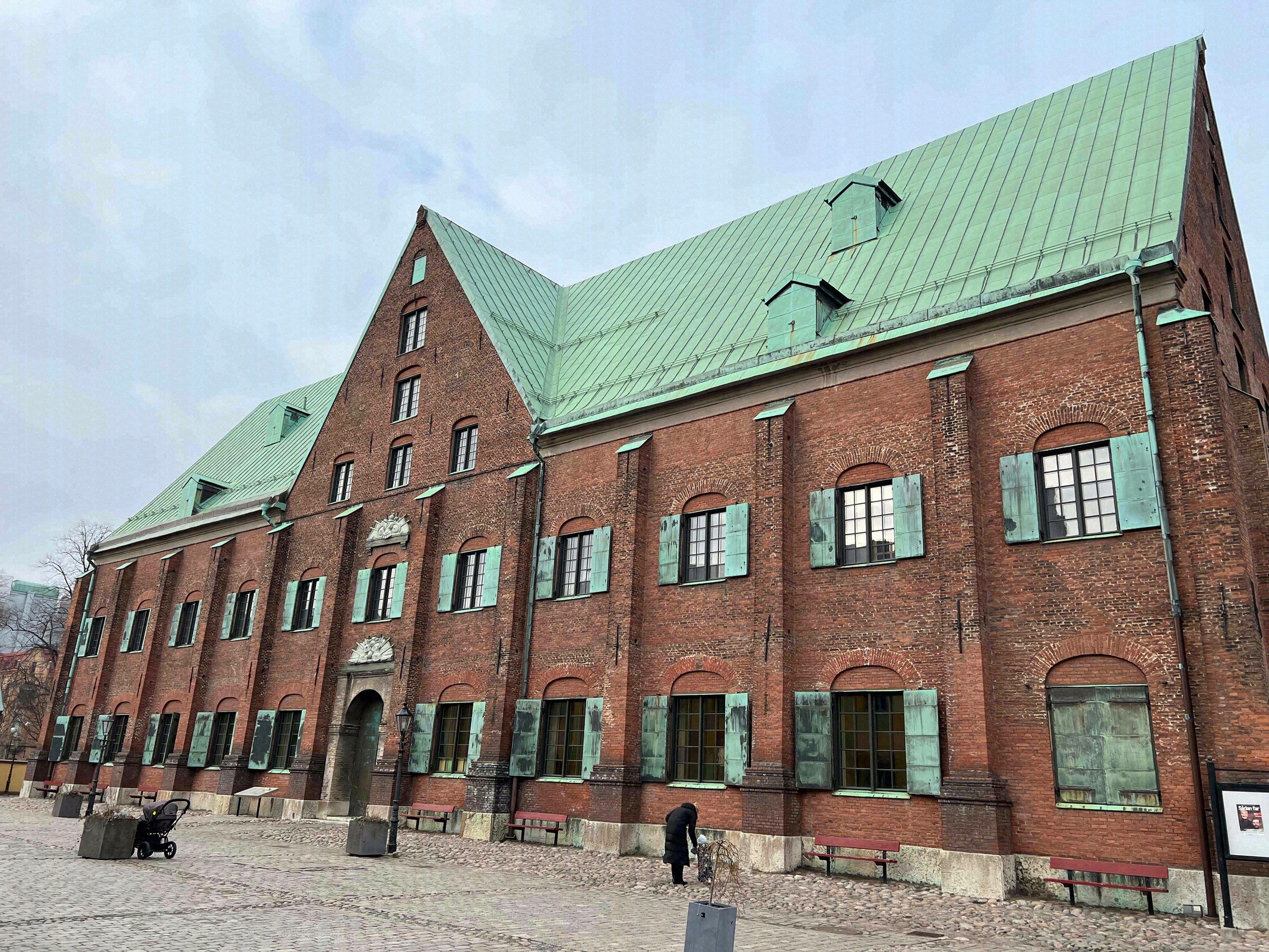
Gothenburg's oldest building, home to craft workshops
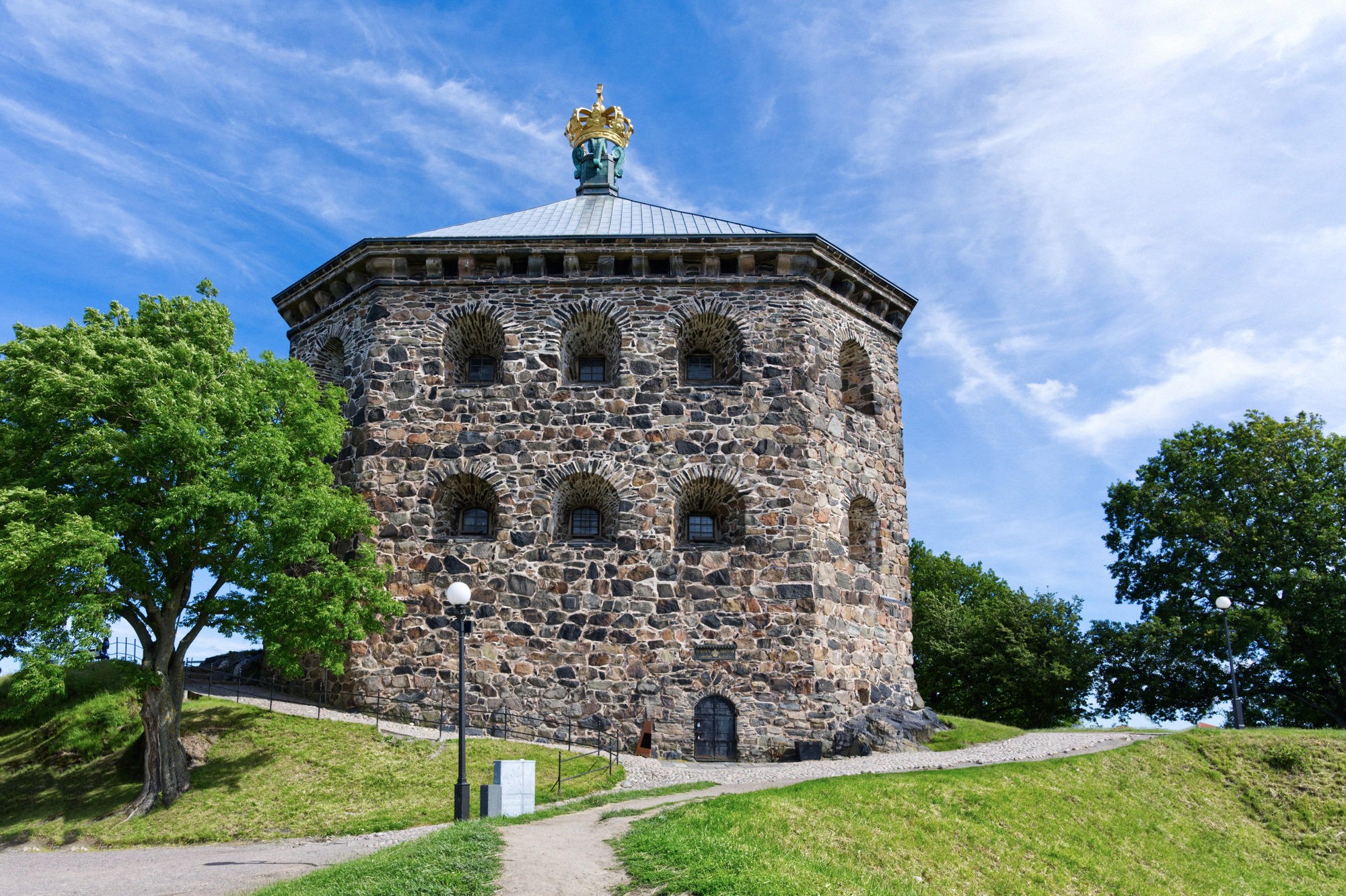
Baroque hilltop fortress above Haga
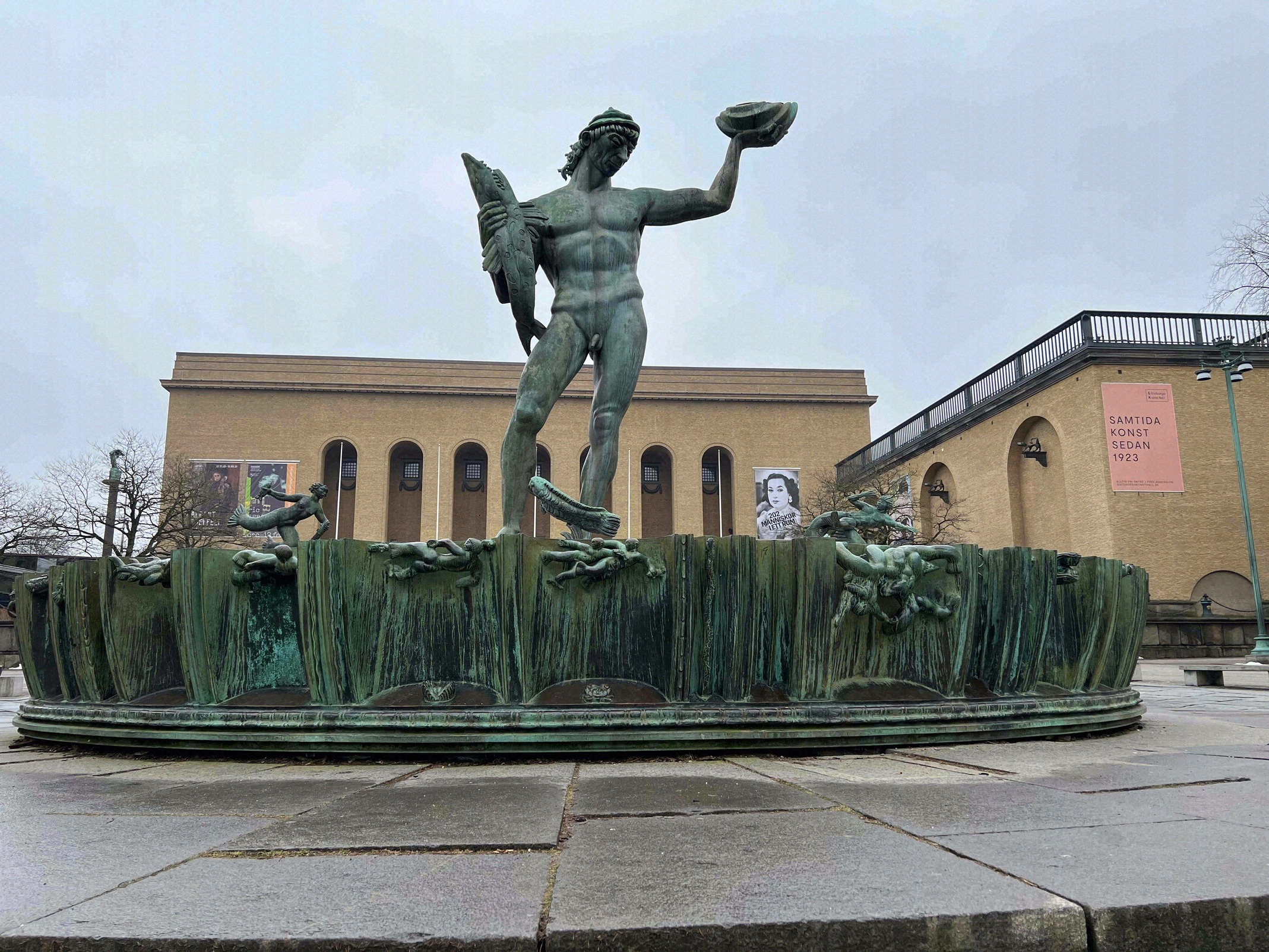
Cultural square with the Poseidon statue at the head of the Avenyn
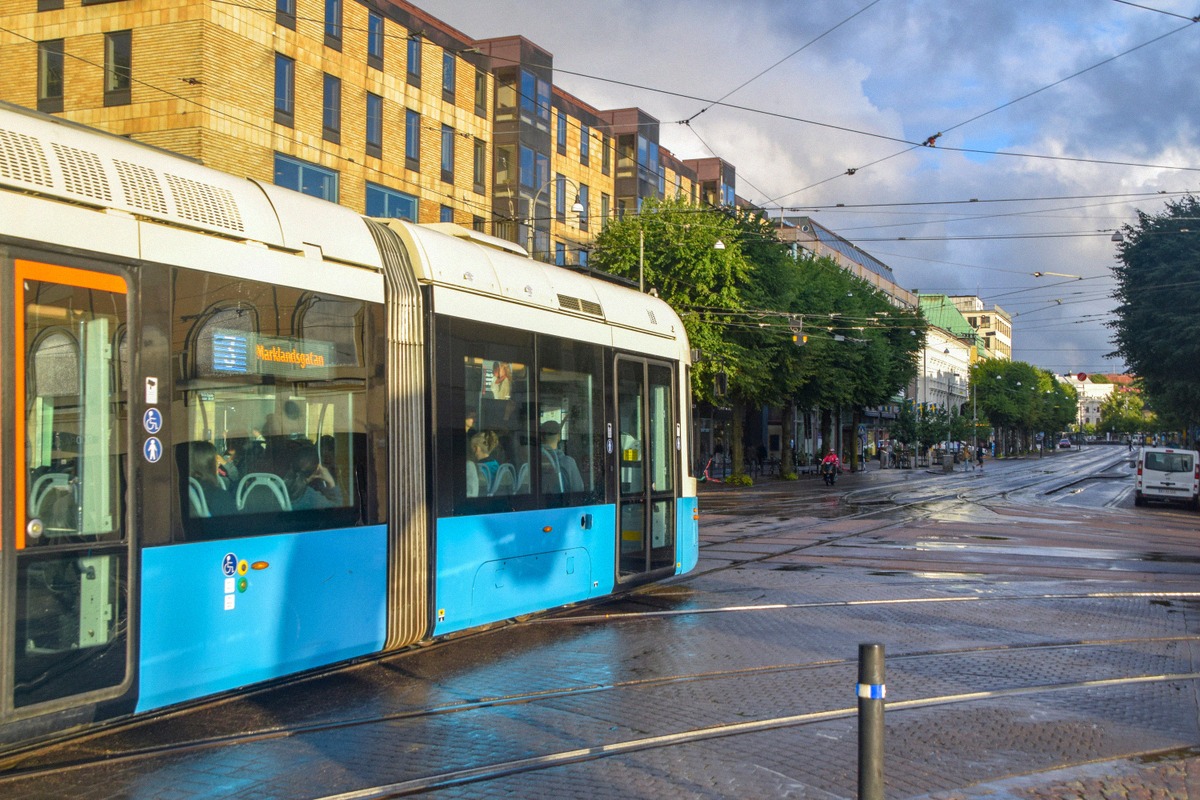
Grand boulevard from the canal to Götaplatsen
No results found.
Gothenburg is easy to cover in a long weekend. The city spreads its highlights across a handful of compact areas: the amusement park in the east, the museum mile at the top of the Avenyn, the old artisan quarter of Haga in the west, and the offshore archipelago as a day trip. This overview ranks the 18 essential sights by interest and tells you what's worth it, what's free and how to combine them - 11 of the 18 sights don't charge admission at all. You won't need a car to see the city; everything is reachable on foot or by Västtrafik tram and bus.
Top of the list is Liseberg, Scandinavia's largest amusement park and, with around three million visitors a year, Gothenburg's most-visited attraction. Admission starts at 95 SEK, or from 365 SEK with a ride pass (Åkpass); arrive after 18:00 and admission plus ride pass costs from just 275 SEK, saving you around 90 SEK. Prices are dynamic and cheaper online than at the gate, and children under 110 cm get in free. The 2026 summer season runs from 18 April to 20 September; after that it continues seasonally, with Halloween from early October to early November and the big Christmas market from mid-November to 30 December.
Right next door is Universeum, a science centre with an artificial rainforest and a large aquarium. Adult admission is around 255 SEK online and 285 SEK at the door (children 230 SEK, students and seniors 250 SEK). It's open year-round, daily from 10:00 to 18:00, making Universeum the city's most reliable rainy-day option. If you're planning several attractions, it's worth checking the Go City Gothenburg Pass, which covers Universeum, Maritiman and the Museum of Art among others (the Wisdome special exhibition costs extra). The third stop on Evenemangsstråket is World of Volvo: the round timber building with its hall, shop and café is free to enter and worth a look for the architecture alone, only the exhibition costs money, at around 220 to 250 SEK for adults, roughly 10 percent less online, with a family ticket for two adults and up to three children priced at 640 to 665 SEK; children up to 6 go free.
At the top of the Avenyn lies Götaplatsen, the cultural square with the Poseidon statue, free to enter and the gateway to the museum mile. Here you'll find the Gothenburg Museum of Art, with its notable collection of Nordic painting. A few steps away, the Röhsska Museum shows design and craft. Both cost 75 SEK, with free admission under 20 and for students; both are closed on Mondays and cashless. If you're planning to visit several museums, the museum card (Museikort) at 150 SEK, covering four city museums, is worth it. Leading up to Götaplatsen is Kungsportsavenyn, Gothenburg's grand boulevard running from the canal to the Poseidon statue, a public street, free at any time. Down at the harbour sits the floating ship museum Maritiman, where you can board historic vessels from a submarine to a destroyer; single admission for adults is 150 to 175 SEK, depending on whether you visit on a basic day at your own pace or a programme day with guided tours (children aged 5 to 15: 90 to 110 SEK).
Gothenburg is green. The sprawling city park Slottsskogen is free and home to a free animal enclosure with penguins, seals and elk, the seals are fed at 14:00 and the penguins around 14:20; the Natural History Museum in the park is also free to enter. The Botanical Garden is free to enter (with a voluntary donation), and only the greenhouses cost 30 SEK; its rhododendron valley is at its peak in April and May. Opposite the central station, the Trädgårdsföreningen draws visitors with its rosarium and Palm House, also free, though the Palm House is under restoration until October 2026.
In the west, the historic timber-house quarter of Haga is well worth a wander along its pedestrian street, Haga Nygata. Above it, a free climb leads up to the fortress Skansen Kronan with its view over the rooftops; from Skanstorget it's around five minutes to the top, though the interior is a private events venue only accessible by booking or on a guided tour. On the edge of the quarter stands the neo-Gothic Hagakyrkan, and nearby the church-shaped market hall Feskekôrka, free entry, with the fish counters open Tuesday to Thursday 10:00-18:00, Friday 10:00-18:30 and Saturday 10:00-17:00, closed Sundays and Mondays; the restaurants inside keep their own, longer hours. In the old town, it's also worth seeing Kronhuset, Gothenburg's oldest secular building (built 1643 to 1654), with a pottery, glassblowing workshop and café in the yellow Kronhusbodarna around the free-to-enter courtyard.
For a day trip, take a boat out to the southern archipelago. The main departure point is Saltholmen (reachable on tram 11), with some sailings also leaving from Stenpiren in the city centre; Styrsöbolaget's ferries run as part of ordinary Västtrafik public transport, so the same ticket covers ferry, tram and bus. A single trip in Zone A has cost 38 SEK since June 2026; for island-hopping, the day ticket (Dygnsbiljett) at 125 SEK per 24 hours is worth it from the fourth trip onwards. The islands themselves are free to explore.
Three open churches combine architecture and city history, all free to enter. Gothenburg Cathedral is a bright, neoclassical cathedral in the city centre. Masthuggskyrkan sits in National Romantic style on a hilltop and rewards you with a sweeping view over the city and harbour even from the church square. In the Haga quarter, the neo-Gothic Hagakyrkan completes the trio; viewing is limited during services (Sundays at 11:00).