
Kronhuset
Gothenburg's oldest building, home to craft workshops
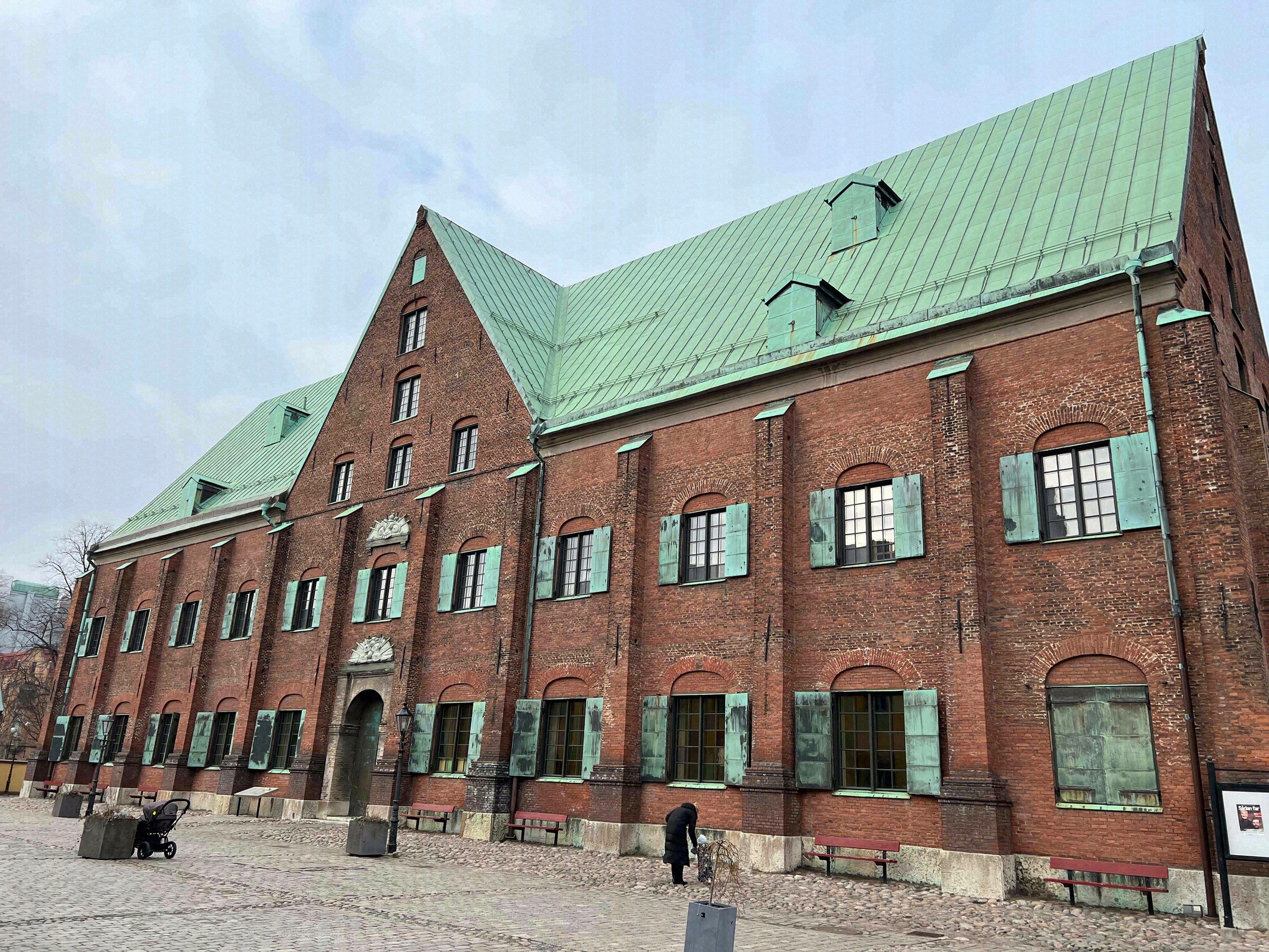
Kronhuset, once a military arsenal, is Gothenburg's oldest surviving building, with a courtyard, craft shops (Kronhusbodarna) and a café, free to visit.
Contents
The city's oldest building
Kronhuset is one of Gothenburg's oldest surviving secular buildings, built between 1642 and 1654 in Dutch style as a military arsenal - "Giötheborgz Tyghuhs" in the Swedish of the day. Behind its heavy brick walls once sat cannons, vehicles, uniforms and the young fortress city's military grain reserve. The building stayed in military use for roughly two centuries, before passing from the state to the city in 1927 and being listed as a protected heritage building in 1968.
It sits a little tucked away on Postgatan in the Västra Nordstaden district, just a few minutes from the bustle of Brunnsparken. Step into the cobbled courtyard and you leave the busy centre behind, landing in a quiet corner of old Gothenburg.
A king is proclaimed
The building's most famous moment falls in 1660: on 4 January, Charles X Gustav convened the Riksdag in Gothenburg, and Kronhuset served as the Rikssal, the hall of the realm. When the king died shortly afterwards, his four-year-old son was proclaimed King of Sweden here on 1 March 1660, proclaimed, not crowned, as is often assumed. The restored hall is now mainly a concert venue: the building belongs to the city's property company, Higab, and the Gothenburg Wind Orchestra has rented it since 1998.
Kronhusbodarna craft courtyard
The main draw for visitors is Kronhusbodarna, the small craft shops and workshops around the courtyard. This isn't a recreated museum village but working craft trades:
- Göteborgs Choklad- och Karamellfabrik, chocolate and confectionery, with tastings and praline-making workshops (for a fee)
- Helen Gibson Glas, glass art and glassblowing
- Bäx Krukmakeri, pottery and ceramics, for over 25 years
- Klockboden, watchmaker specialising in restoring antique clockwork
- Laura Didion, handmade leather goods, since 2009
- Jama Produkter, hand-painted children's furniture
The shops are open weekdays 10:00-17:00 and Saturdays 11:00-15:00, with some exceptions. For browsing and watching the craftspeople at work, a weekday morning is the best time to come, while the workshops are active.
Café & events
The courtyard is home to Café Kronhuset (Postgatan 6-8), serving breakfast, lunch and cake - the dish of the day costs 149 kr, with à la carte options running roughly 139-255 kr. It's open weekdays 8:00-19:00 and weekends 10:00-18:00.
Throughout the year, Kronhuset hosts events in and around the courtyard, from summer hangouts to the Kalaskul festival in late August and the Kronhusjul Christmas market from late November. Concerts come courtesy of the resident wind orchestra; there's no fixed tour or concert schedule, and the programme changes with the seasons. Check the official website for current dates.
Visiting & practical info
A visit is quick and costs nothing: 30 to 60 minutes is enough for the courtyard, the shops and a coffee. Kronhuset sits centrally enough to combine with other old-town sights, the Cathedral is just a few steps away, and the Feskekôrka fish market hall is also within walking distance. If you're planning a compact old-town stroll, our top Gothenburg attractions and Food & Drink guide have more suggestions nearby.
Getting there by tram or bus: the nearest stops are Brunnsparken, Domkyrkan and Stenpiren. If you're driving, park on Kronhusgatan right next to the building; you can drive into the courtyard from Postgatan to drop off or pick up. Honestly, Kronhuset alone won't fill a full day
- but as a quiet, atmospheric stop in the city centre, it's well worth the detour.
Frequently asked questions
How much does it cost to visit Kronhuset? +
What are the Kronhusbodarna? +
Was a king really crowned at Kronhuset? +
How do I get to Kronhuset? +
Nearby
Maritiman
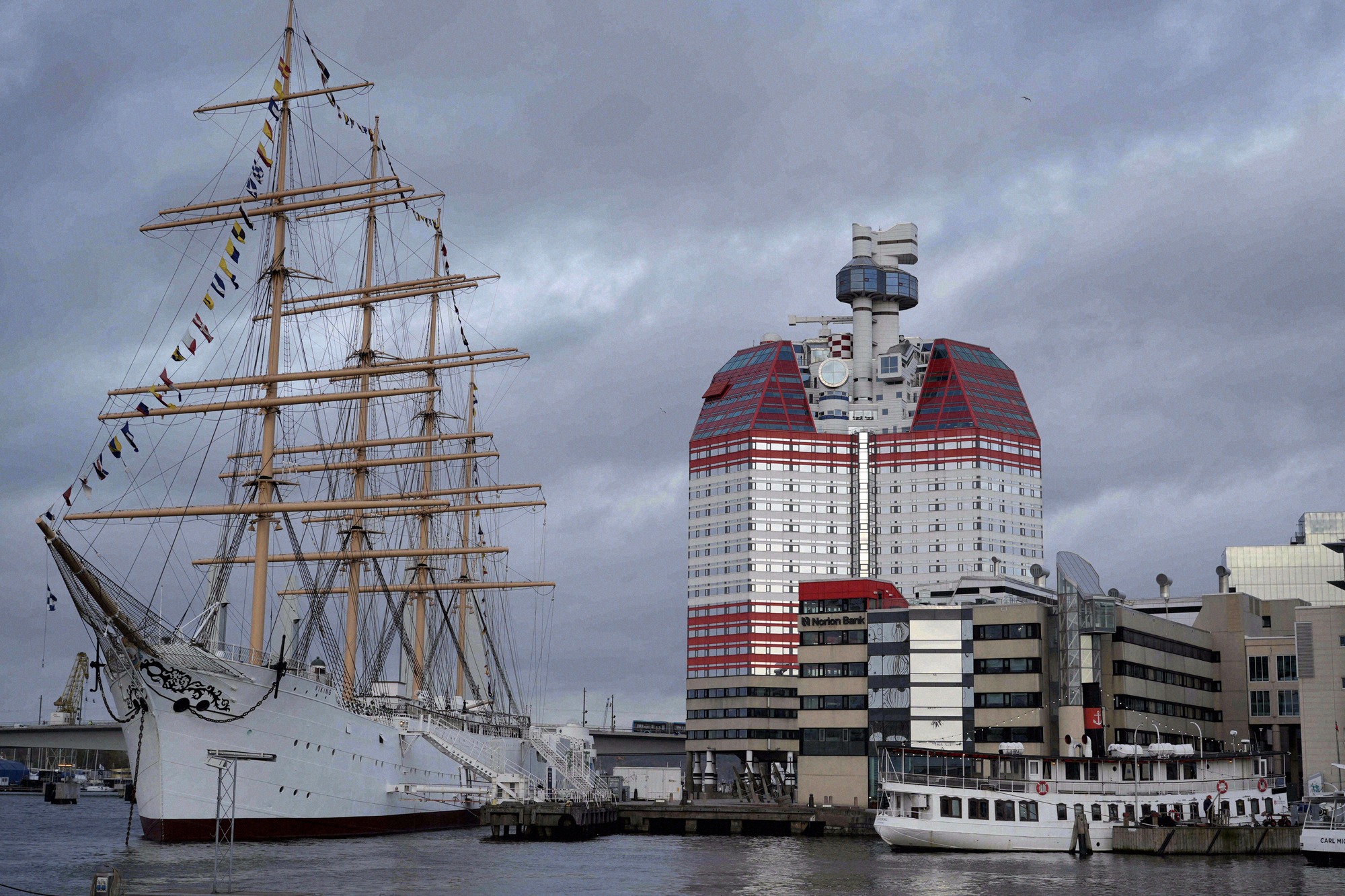
Floating ship museum in Gothenburg's harbour: around a dozen historic vessels, from the submarine Nordkaparen to the destroyer Småland, open to explore.
Gothenburg Cathedral
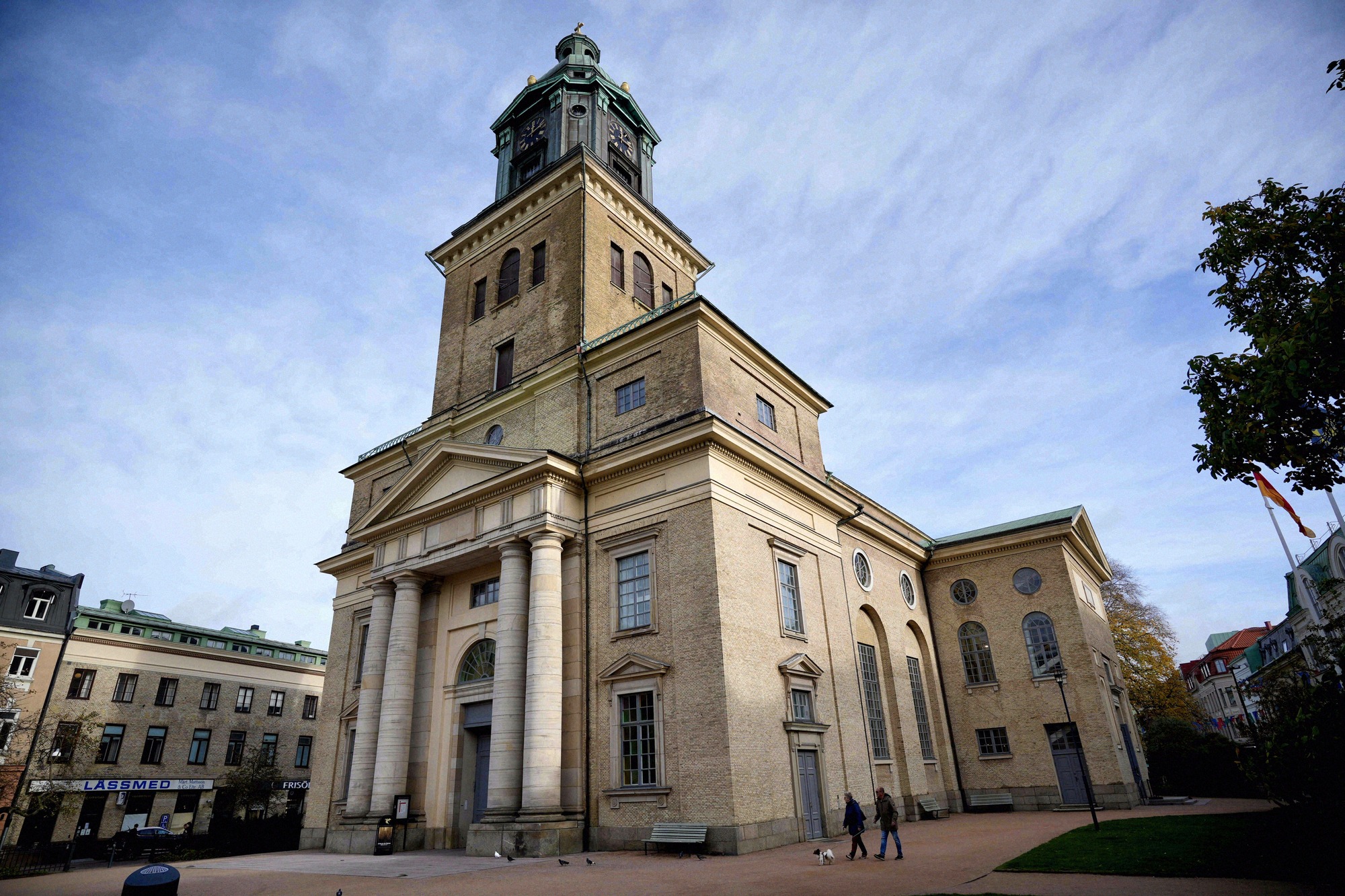
The neoclassical cathedral from 1815 in Inom Vallgraven, a bright white-and-gold interior with an angel altar and columns. Free entry, a quiet stop in the centre.
Trädgårdsföreningen
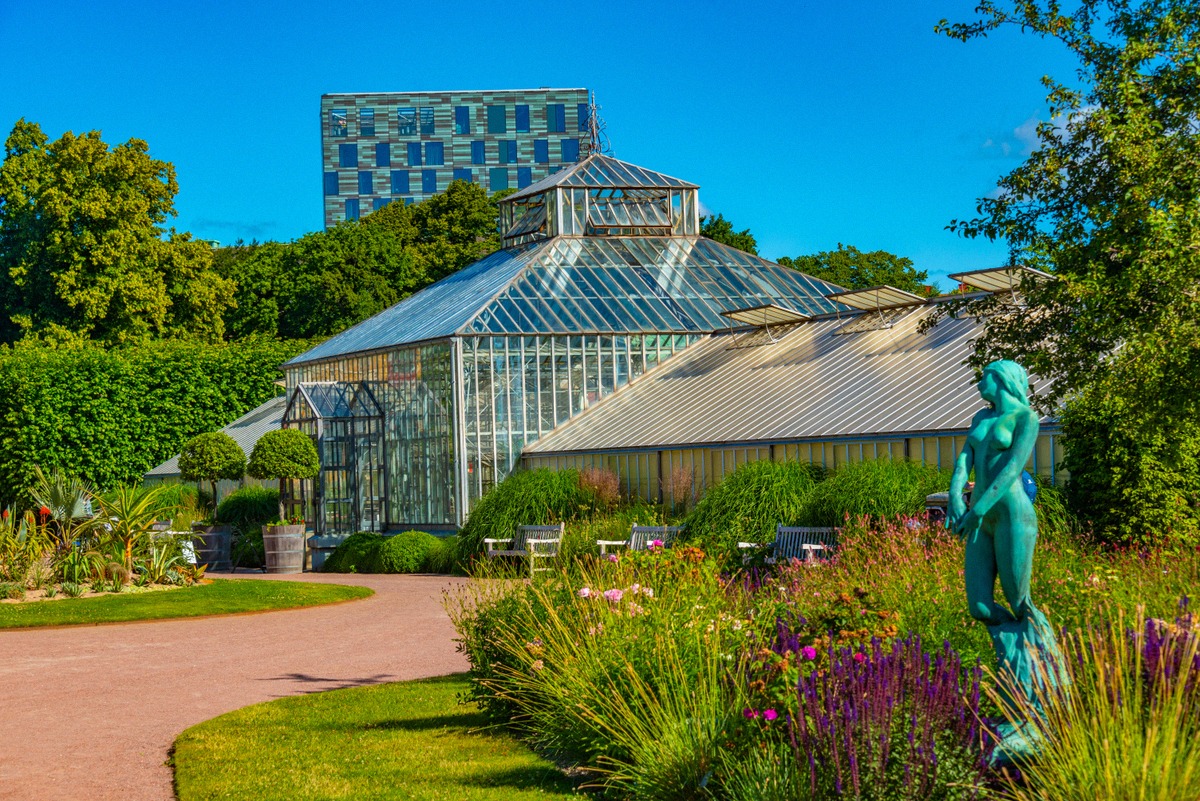
Historic city park from 1842 opposite Gothenburg Central Station, with a large rose garden and an 1878 glass palm house. Free entry to both.
Feskekôrka
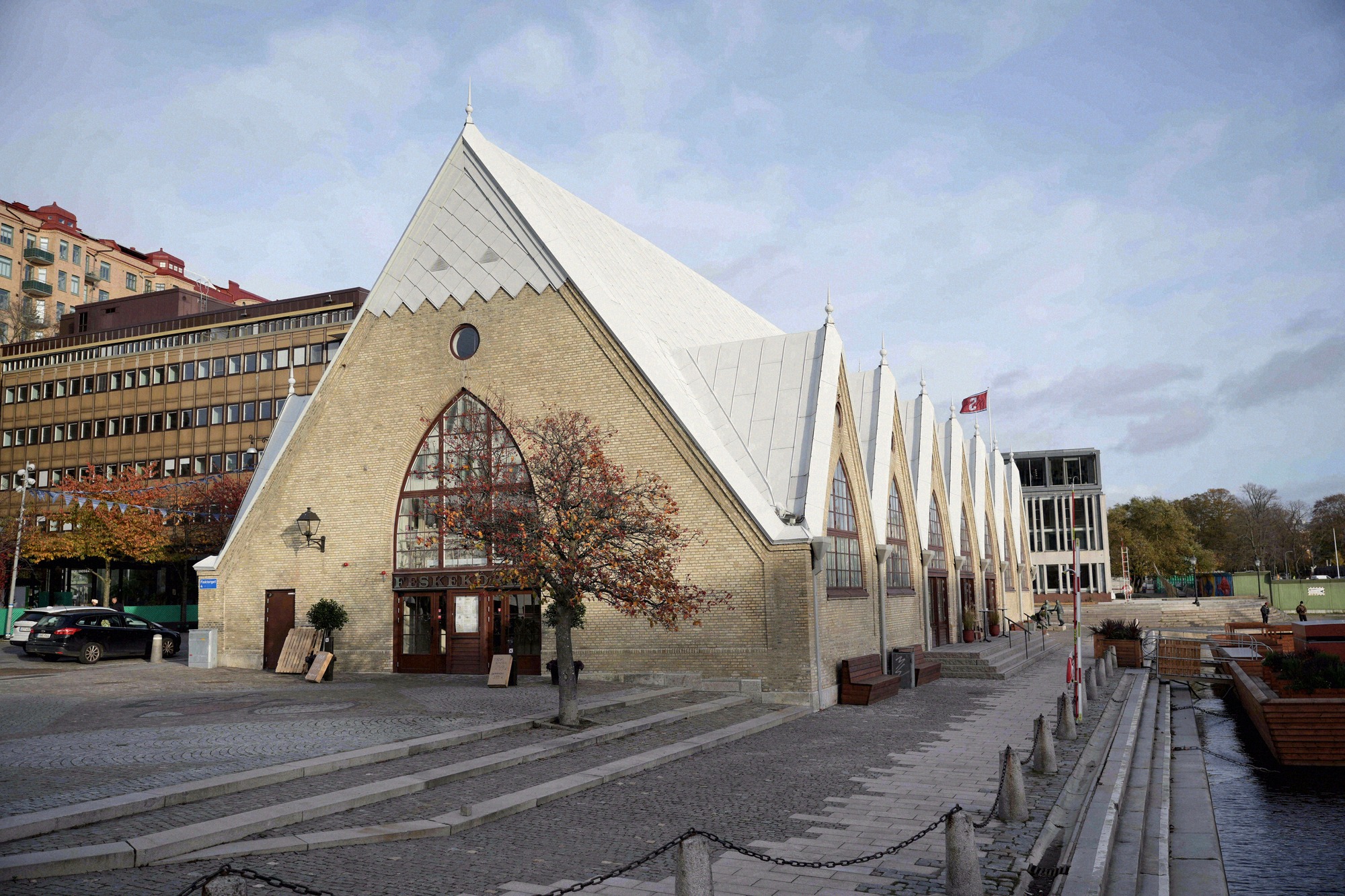
Feskekôrka, Gothenburg's fish church, is a market hall shaped like a neo-Gothic church, fresh fish at the stalls and restaurants on the Rosenlundskanal.
Hagakyrkan
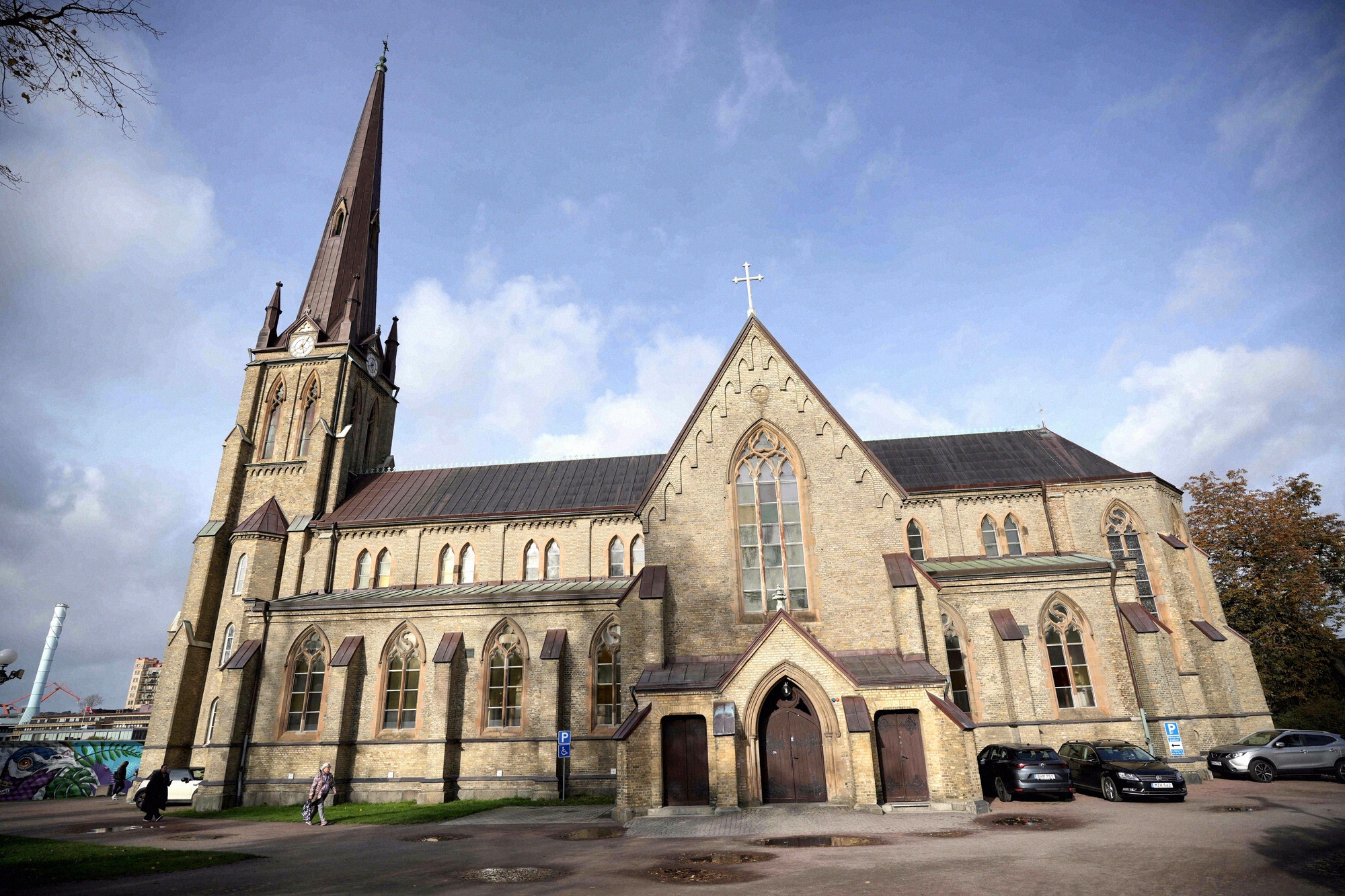
The neo-Gothic brick church from 1859 stands in a small park at the edge of Old Haga, a quiet, free-of-charge start to exploring the neighbourhood.
Röhsska Museum
Sweden's only design museum, near the Avenyn, holds an open chair store with over 500 chairs, East Asian art and a hall for Nordic design.