
Gothenburg Museum of Art
Collection of Nordic painting at Götaplatsen
The art museum at Götaplatsen holds an outstanding collection of Nordic painting, the highlight is the Fürstenberg Gallery with works by Carl Larsson and Anders Zorn.
Contents
Nordic art at Götaplatsen
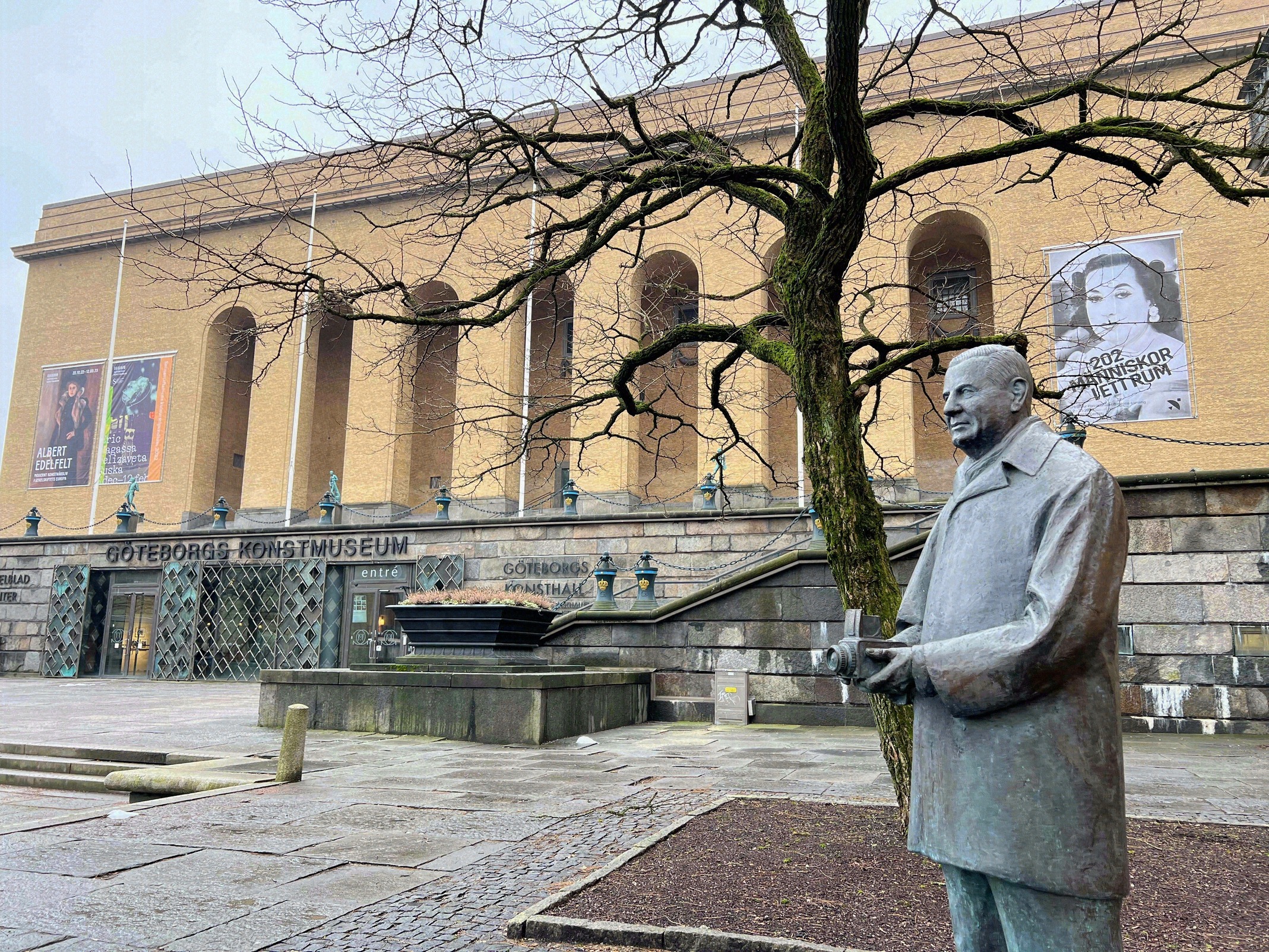
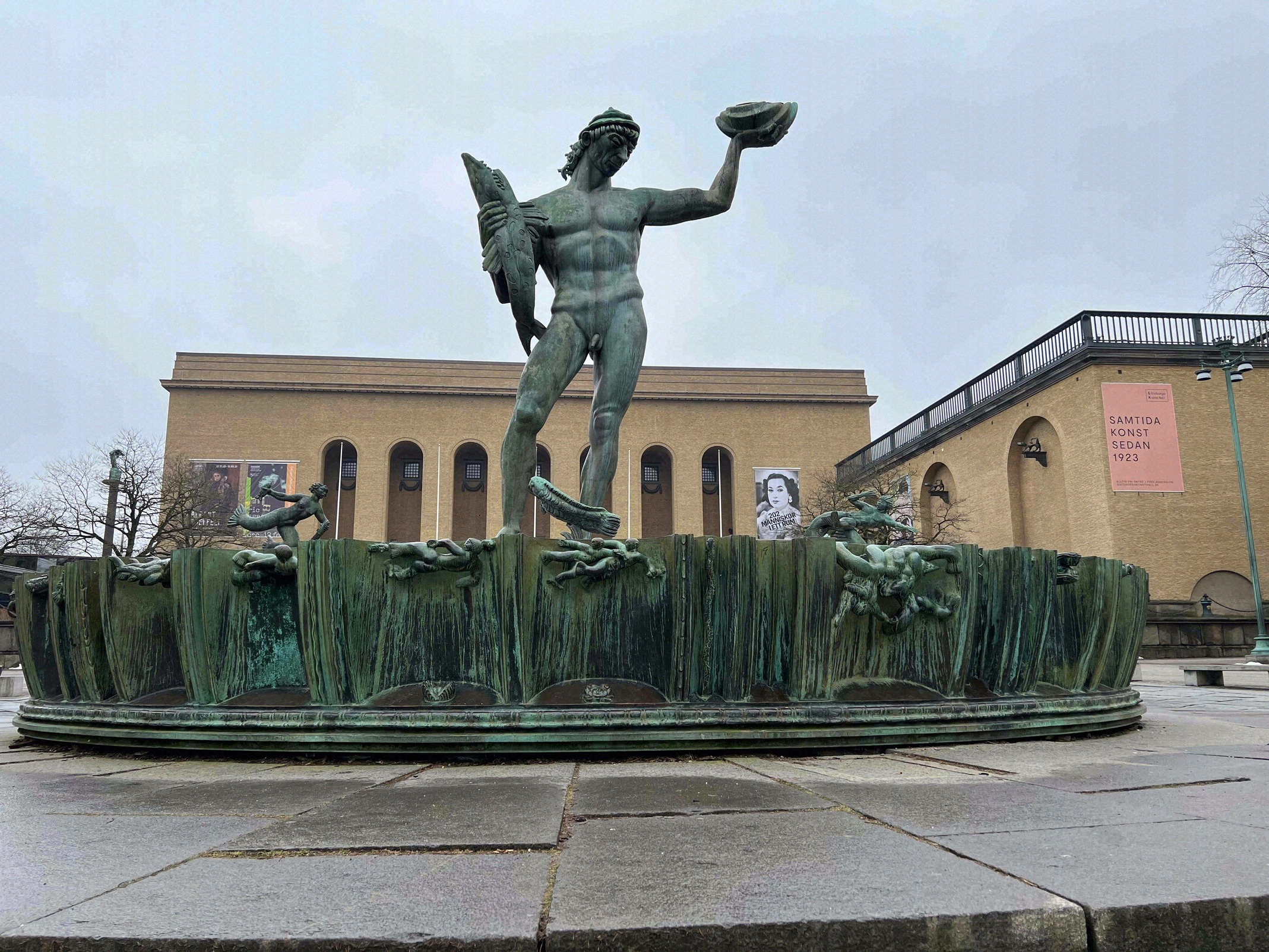
Gothenburg Museum of Art dominates Götaplatsen, the grand square at the top of the boulevard Kungsportsavenyn. Behind Carl Milles' Poseidon statue rises the austere, monumental brick façade of a building that holds one of Sweden's most important art collections. It's part of the cultural ensemble around the square, the Concert Hall (Konserthuset), City Theatre (Stadsteatern), City Library and the Gothenburg Konsthall art gallery are all within sight.
The building was built between 1919 and 1923 to designs by architects Sigfrid Ericson and Arvid Bjerke for the 1923 Jubilee Exhibition marking Gothenburg's 300th anniversary; it officially opened in 1925, inaugurated by Prince Eugen. The municipal art collection itself goes back further, to the city museum founded in 1861. There is no single founder.
The Fürstenberg Gallery
The centrepiece of the museum is the Fürstenberg Gallery (Fürstenbergska galleriet), with Nordic painting from the late 19th century. It's named after patrons Pontus and Göthilda Fürstenberg, whose collection was bequeathed to the museum in 1902. It holds key works of Scandinavian light:
- Carl Larsson, idylls of Swedish family life
- Anders Zorn, masterful portraits and nudes
- Bruno Liljefors, dramatic nature scenes
- P. S. Krøyer, the Nordic light of the Danish Skagen painters
- Edvard Munch, early works by the Norwegian artist
Beyond the Fürstenberg Gallery, the museum spans everything from old masters and European classics to modern and contemporary art. The full collection comprises around 70,000 works.
Visiting and practicalities
Adults pay 75 SEK; under 20s and students with valid ID get in free. Frequent visitors save with the annual pass at 150 SEK (130 SEK for seniors aged 63 and over). Worth knowing: the museum is cashless, with payment by Swish or card only. Allow 1.5 to 2.5 hours for the collection.
It's open Tuesday to Sunday, closed on Mondays. It's quietest on weekday mornings; for a relaxed evening visit, the museum stays open late on Wednesdays until 20:00. Booked group tours run 45 minutes (max. 30 people) and must be requested by email at least eight working days in advance, offered in Swedish, with English available for an extra fee. Self-guided audio guides and German-language tours aren't documented.
Getting there and combining your visit
The museum is at Götaplatsen 6, at the top of Avenyn. The nearest stops are the Götaplatsen bus stop and the Valand and Berzeliigatan tram stops. If driving, park at the Lorensberg car park on Berzeliigatan or on-street in the surrounding side streets (Viktor Rydbergsgatan, Ekmansgatan, Geijersgatan, Johannebergsgatan).
Götaplatsen itself is worth a stop, more on our page about Götaplatsen & Poseidon. Pair your visit with a stroll along Kungsportsavenyn and a detour to the Röhsska Museum for design and craft. For the bigger picture, see our Top Gothenburg attractions and our guide to the Gothenburg City Card.
Frequently asked questions
How much does admission to Gothenburg Museum of Art cost? +
What is the highlight at Gothenburg Museum of Art? +
Is the Go City Gothenburg Pass worth it for the museum? +
How do I get to the museum? +
Nearby
Götaplatsen
Götaplatsen at the head of the Avenyn holds the 7-metre Poseidon fountain statue by Carl Milles, framed by the art museum, concert hall and city library.
Kungsportsavenyn
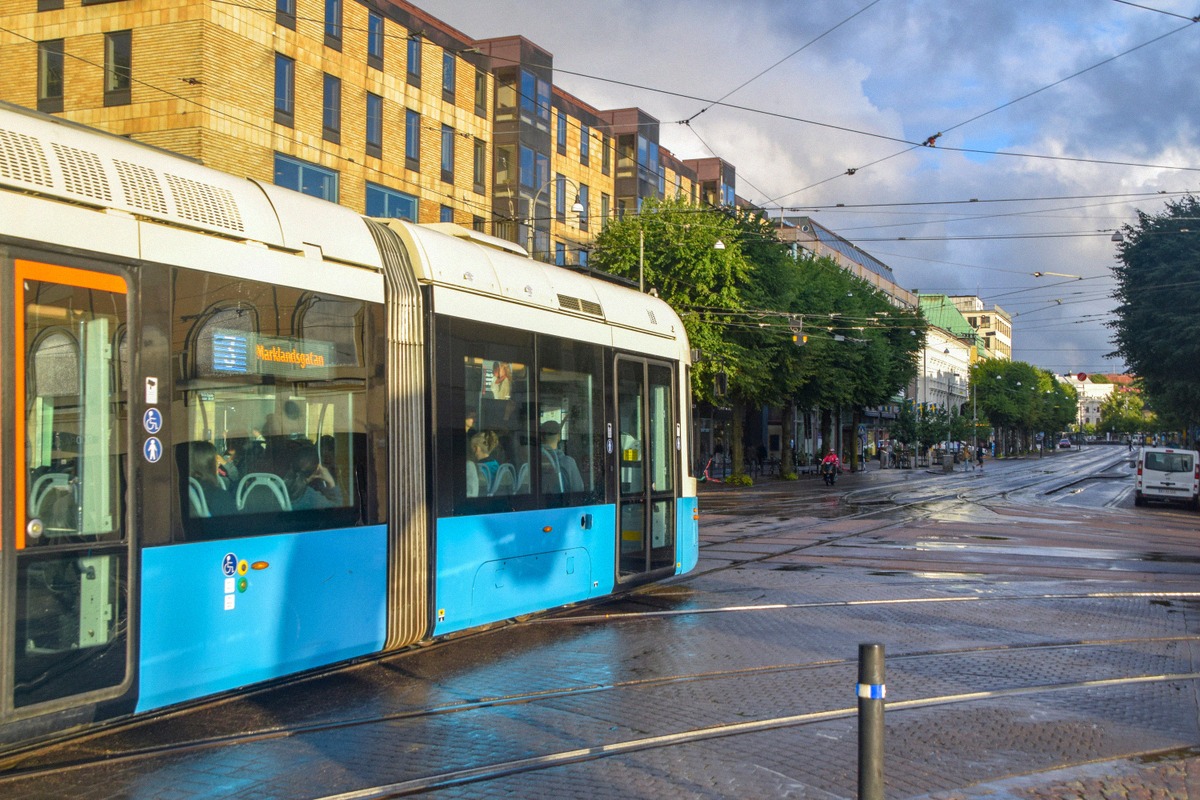
Kungsportsavenyn, known to everyone as the Avenyn, is Gothenburg's central boulevard: about 1 km from the canal to Götaplatsen, lined with cafés, restaurants and bars.
Universeum
Ten-floor science centre with a living rainforest, a large ocean aquarium full of sharks and countless hands-on stations, one of Gothenburg's most family-friendly attractions.
Röhsska Museum
Sweden's only design museum, near the Avenyn, holds an open chair store with over 500 chairs, East Asian art and a hall for Nordic design.
Liseberg
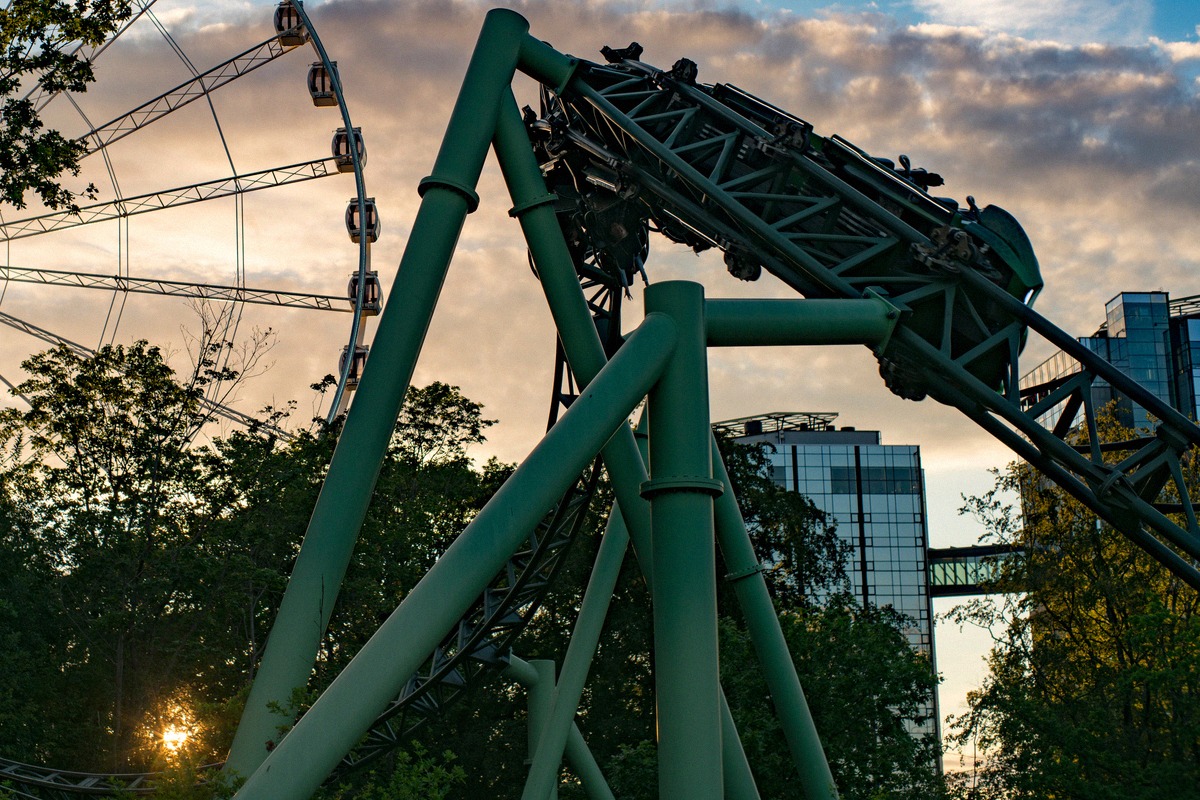
Scandinavia's largest amusement park: historic wooden coasters, modern rides, gardens and open-air concerts. A hit with families in summer, at Halloween and in December.
Trädgårdsföreningen
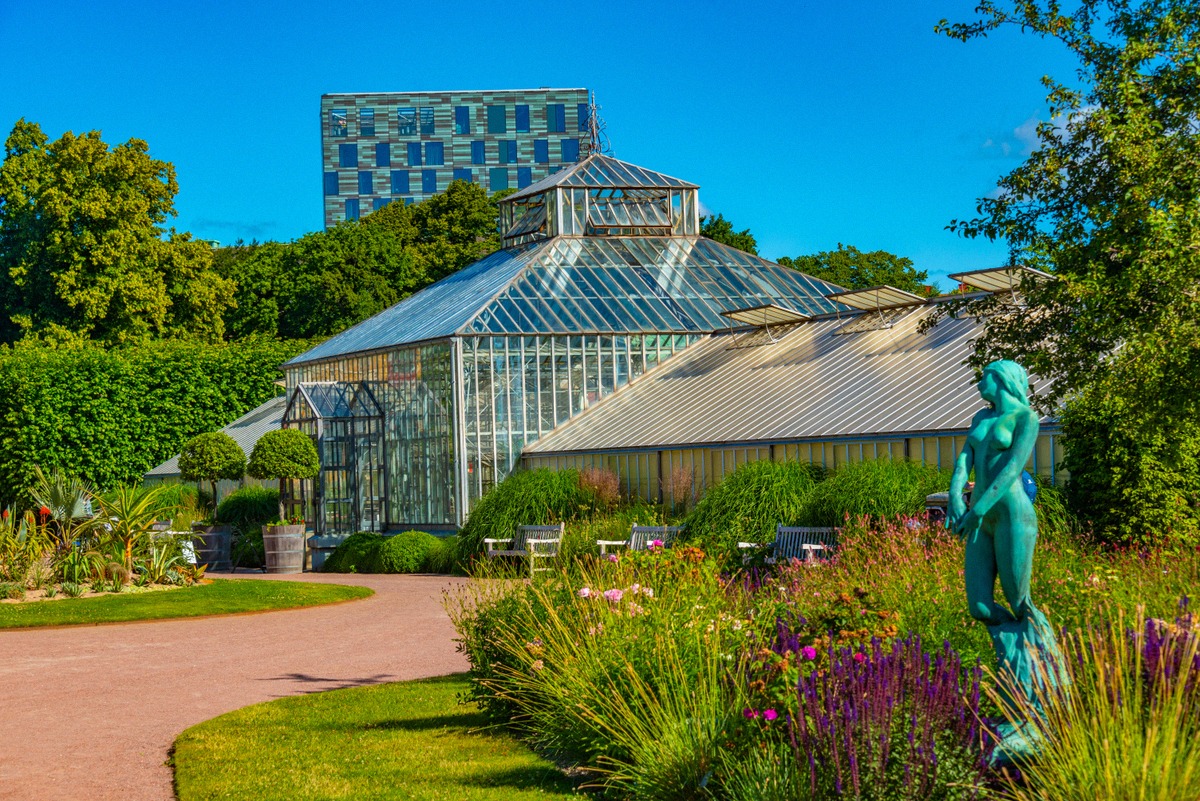
Historic city park from 1842 opposite Gothenburg Central Station, with a large rose garden and an 1878 glass palm house. Free entry to both.