
Gothenburg Archipelago
Car-free island world south of the city, reached by ferry
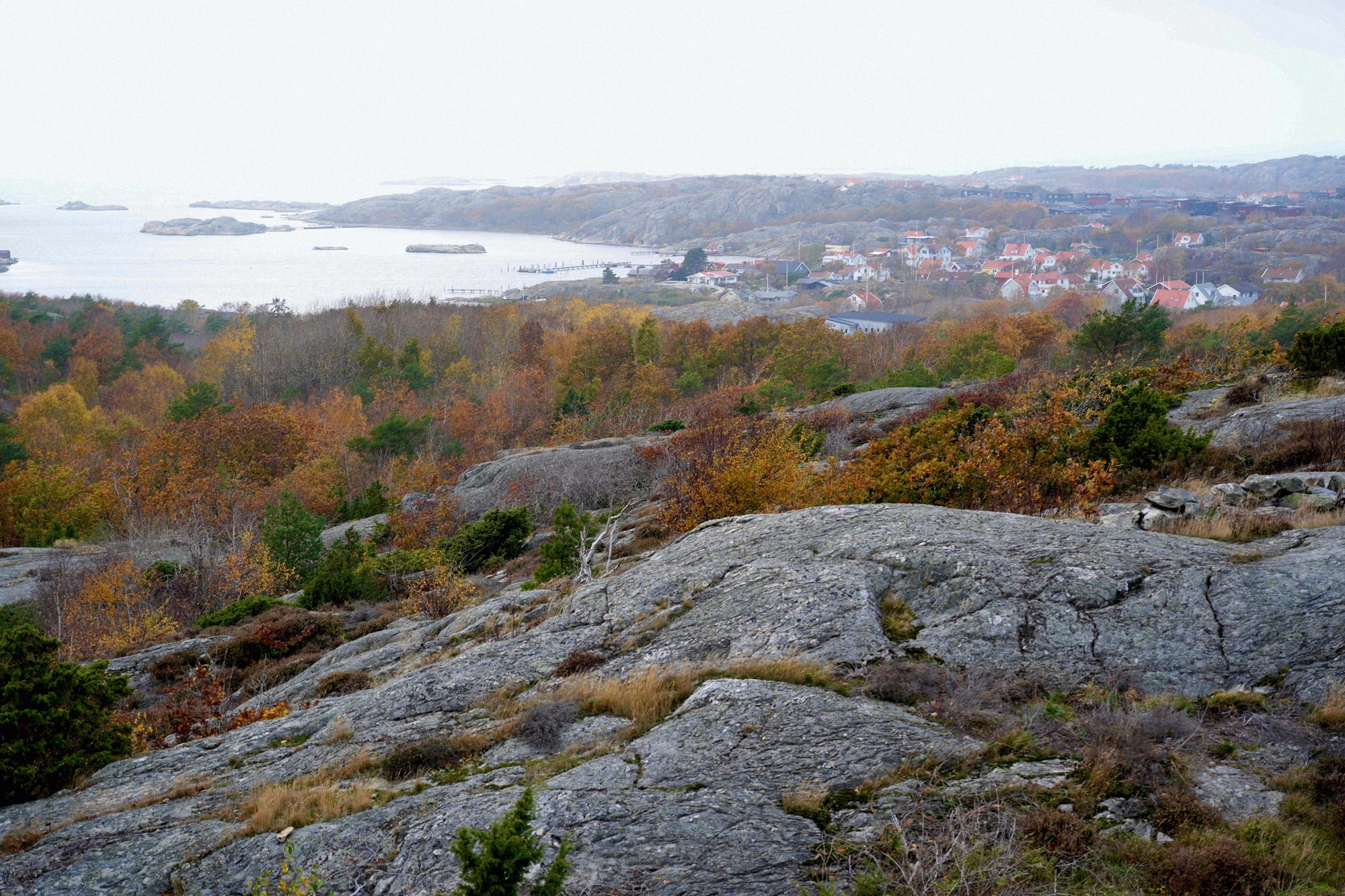
The södra skärgården off Gothenburg is a car-free island world - Styrsö, Brännö, Vrångö and more, with swimming rocks, walking trails and fishing harbours, reached by ferry from Saltholmen.
Contents
An island world on the city's doorstep
One of Gothenburg's most rewarding sides lies right off the city: the southern archipelago, an island world of smooth granite rock, red wooden houses and small fishing harbours. Unlike most cities of its size, Gothenburg has this kind of natural escape within easy ferry reach, and you don't need a special boat tour to get there, just an ordinary public transport ticket.
The islands are car-free. You get around on foot or by bike, along narrow paths past jetties, swimming rocks and summer houses. The larger inhabited islands include Asperö, Brännö, Köpstadsö, Styrsö, Donsö and Vrångö; in summer, smaller destinations such as Knarrholmen and Stora Förö are also served.
Getting there by public transport ferry
The starting point is Saltholmen in the south-west of the city, reachable year-round from the centre on tram line 11 (about 35 minutes); in summer, line 9 runs as an additional service. From there, ferries operated by Styrsöbolaget take over, they run on behalf of Västtrafik and are part of the ordinary public transport network, so the same ticket covers tram, bus and ferry.
Four ferry lines serve the southern archipelago from Saltholmen:
- 281 - Saltholmen - Köpstadsö - Styrsö Bratten - Donsö - Vrångö
- 282 - Saltholmen - Köpstadsö - Styrsö Bratten - Styrsö Tången - Brännö Husvik
- 283 - Saltholmen - Asperö - Brännö Rödsten
- 284 - Saltholmen - Knarrholmen - Stora Förö (only a few sailings in winter, some by reservation)
Ferries to the larger islands typically run once an hour, more often in high season. On lines 281, 282 and 283 (the vessels Silvertärnan, Vesta and Ylva), selected departures have an on-board café. Exact departure times vary by line and season, the Västtrafik journey planner or app is the most reliable source.
What to expect on the islands
Each island has its own character, but the routine is similar everywhere: swimming, walking, and a coffee by the harbour.
- Vrångö, the southernmost island, has around 8 km of walking trails in its nature reserve, a southern and a northern loop, plus the accessible Tärnstigen path, which also works with a pushchair or wheelchair. The beach at Nötholmen is shallow and well suited to families.
- Styrsö has two ferry stops (Bratten and Tången) and is well connected. For swimming, try Utterviksbadet and Styrsö Bratten, about 300 m from the ferry stop.
- Brännö is known for its summer tradition: at Brännö brygga, evening dances are held through midsummer, traditionally on Thursdays, a custom with more than 100 years of history. For swimming, there's Ramsdalsbadet, with rocks and a sandy beach.
For food, Vrångö has the seafood restaurant Fiskeboa, while Styrsö has the year-round Kusthotellet, with a heated outdoor pool and sauna. Options are limited overall and strongly seasonal, so it's worth packing something to eat if you want to be sure.
Visiting: the practicalities
One island is enough for a relaxed day out; for island-hopping, plan for a full day and get a day ticket (Dygnsbiljett Zone A), which quickly pays off compared with single fares. The archipelago is at its best from June to August, once the water is warm enough for swimming; July is the busiest month.
Tickets are available via the Västtrafik To Go app, from ticket machines, or from the crew on board. If you're looking further north: Gothenburg's northern archipelago (around Öckerö and Hönö) is reached via a different route and makes a separate trip. For more on the southern island world, see our guide to the Gothenburg Archipelago; for ideas on what else to combine it with, see our day trips from Gothenburg and, with shallow beaches and short walks, our guide to Gothenburg with kids.
Worth weighing up: with only one day in the city, an archipelago trip competes with the compact centre around Feskekôrka and Haga. But if you have two days or more and catch good weather, don't miss the islands, they're the quiet counterpart to the lively city.
Frequently asked questions
How do you get to the southern archipelago? +
How much does the crossing cost? +
Which island is most worth visiting? +
Are the islands car-free? +
Nearby
Slottsskogen
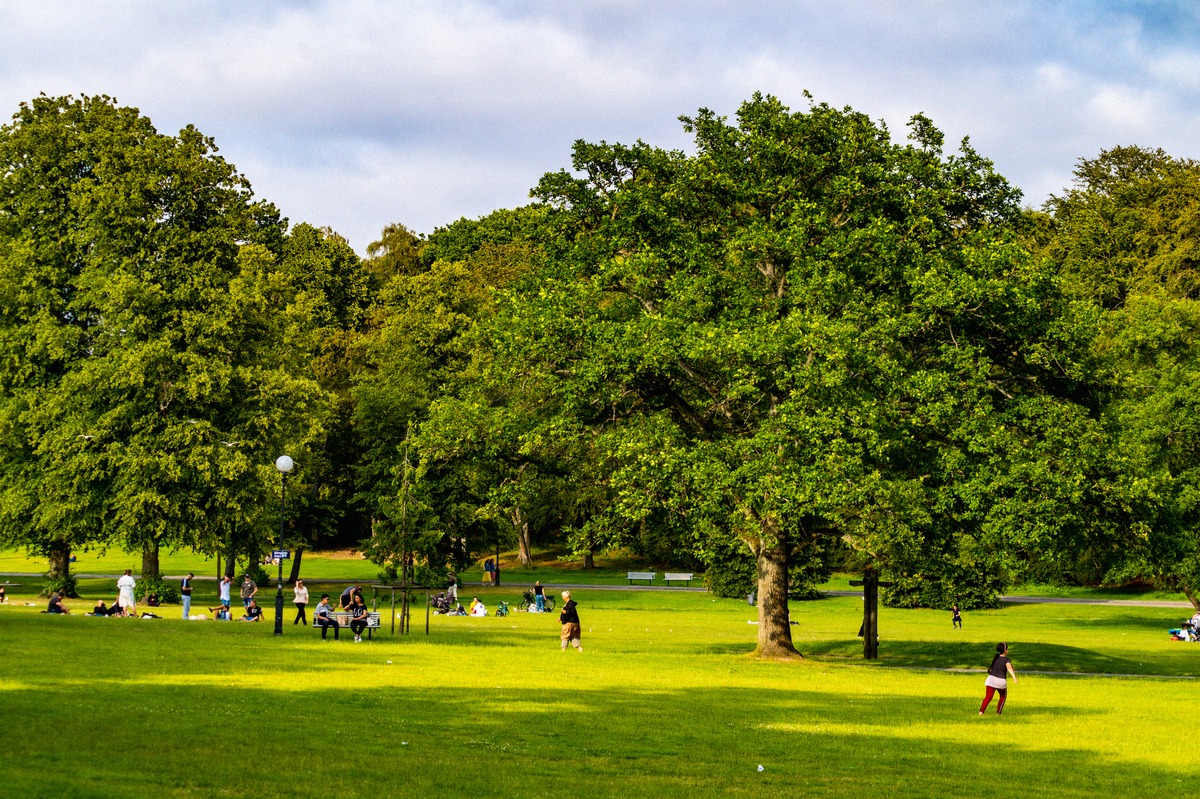
Gothenburg's large, free city park with open meadows, a free animal park with penguins, seals and elk, plus the Natural History Museum.
Gothenburg Botanical Garden
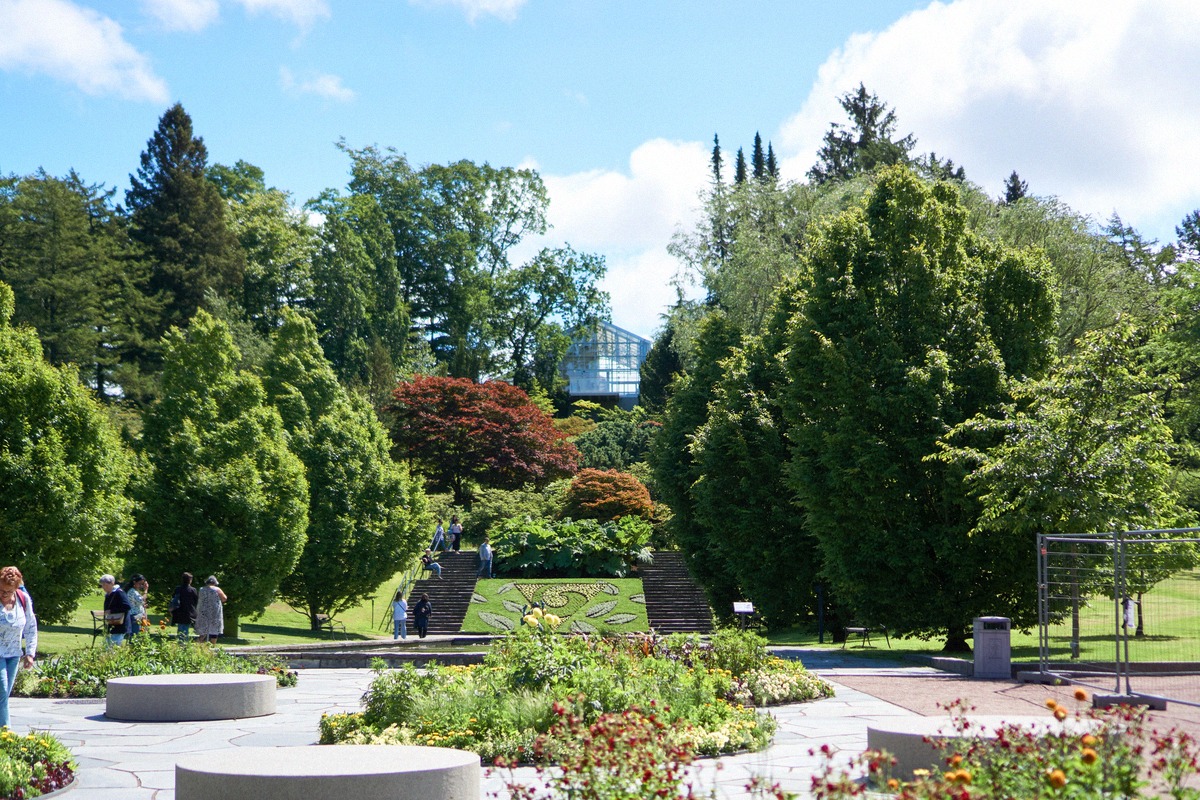
One of Europe's largest botanical gardens: around 16,000 plant species, a Michelin Guide-listed rock garden and a rhododendron valley. Free entry to the garden.
Masthuggskyrkan
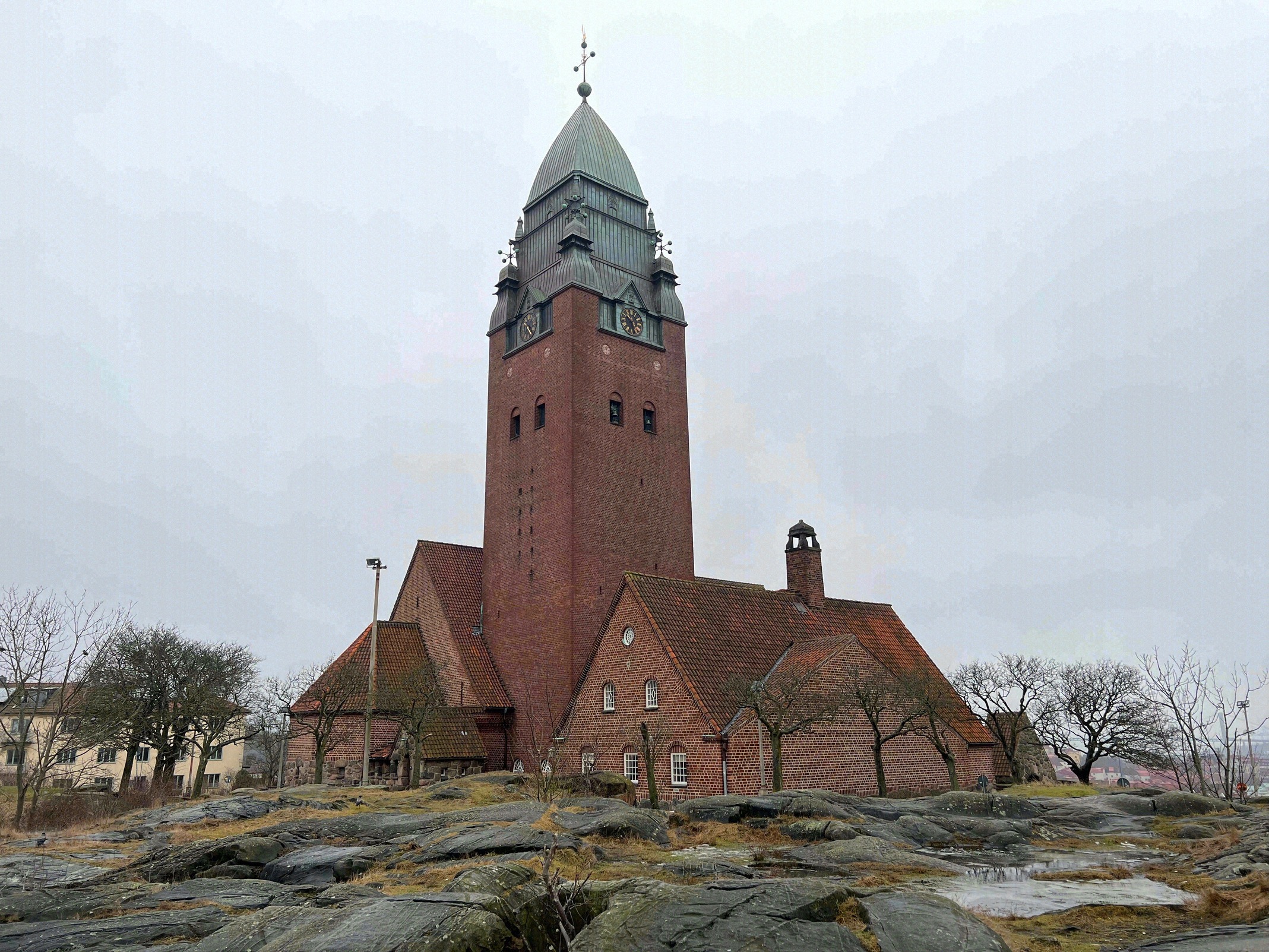
The National Romantic brick church of 1914 stands on Stigberget hill above the harbour, with a ship-hull timber ceiling, a grand organ and sweeping views over Gothenburg.
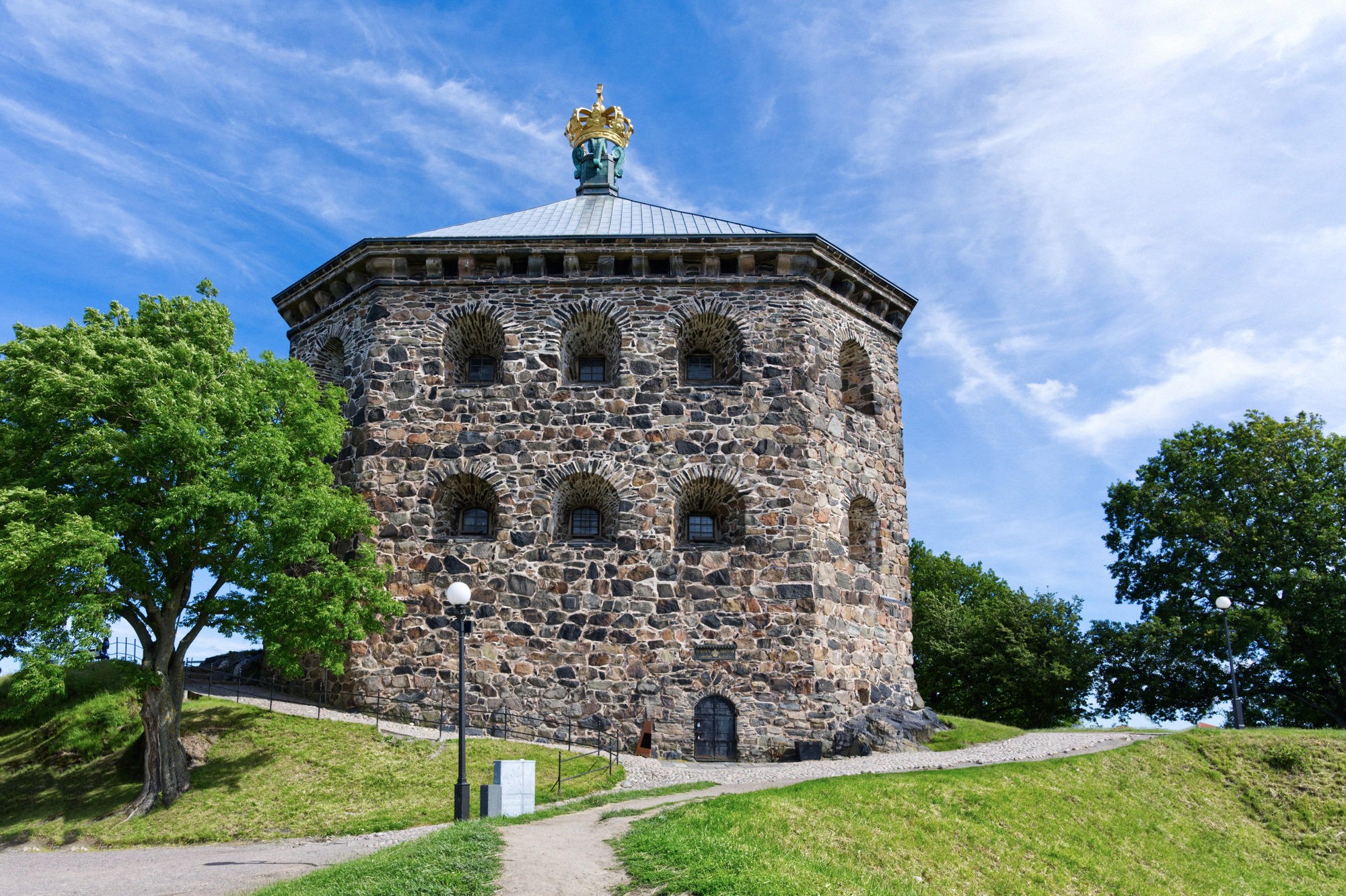
Skansen Kronan
Baroque hilltop redoubt from 1689 above Haga, with a gilded crown and sweeping views over Gothenburg. The hill is open access; the interior only by booking.
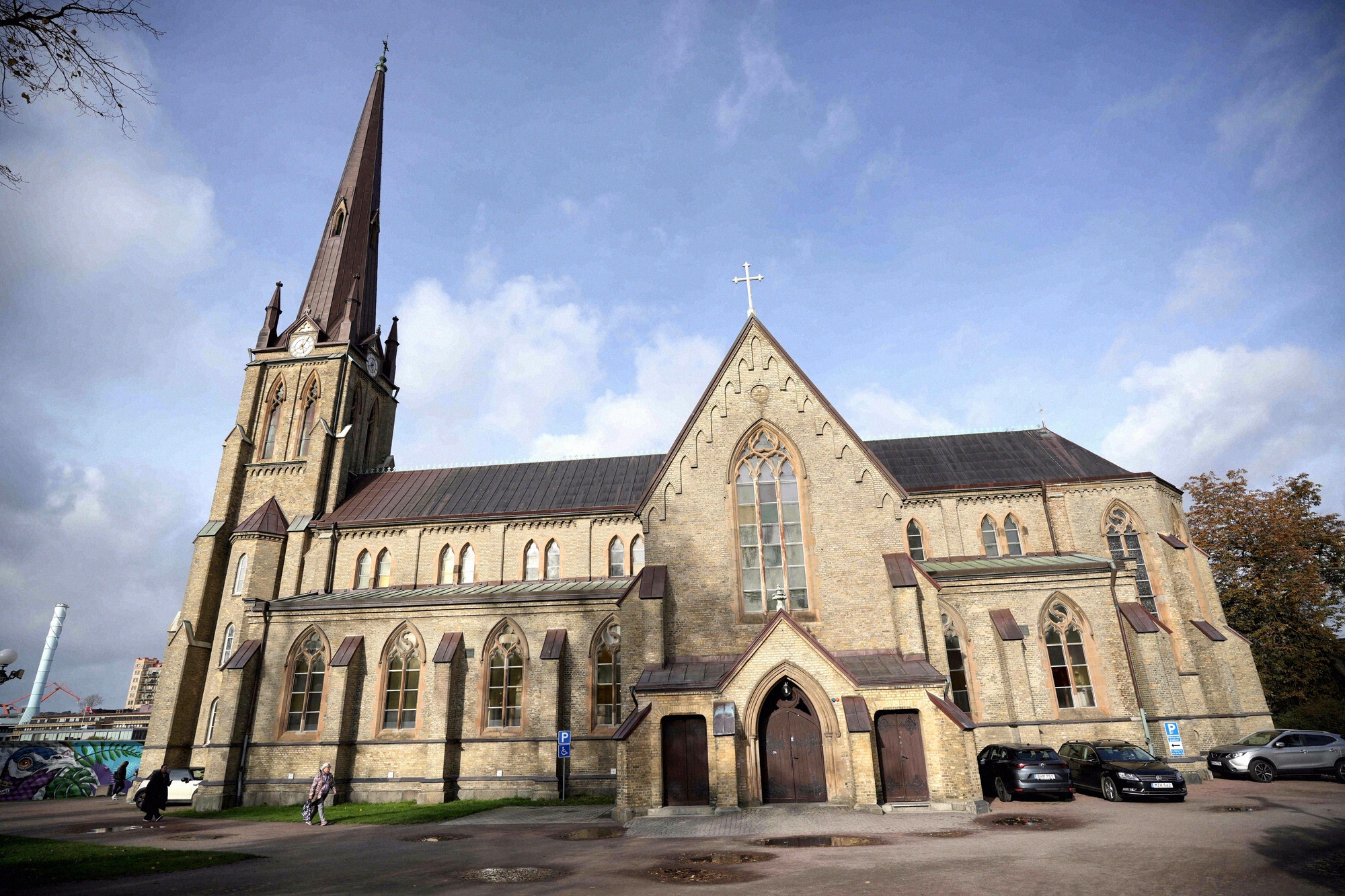
Hagakyrkan
The neo-Gothic brick church from 1859 stands in a small park at the edge of Old Haga, a quiet, free-of-charge start to exploring the neighbourhood.
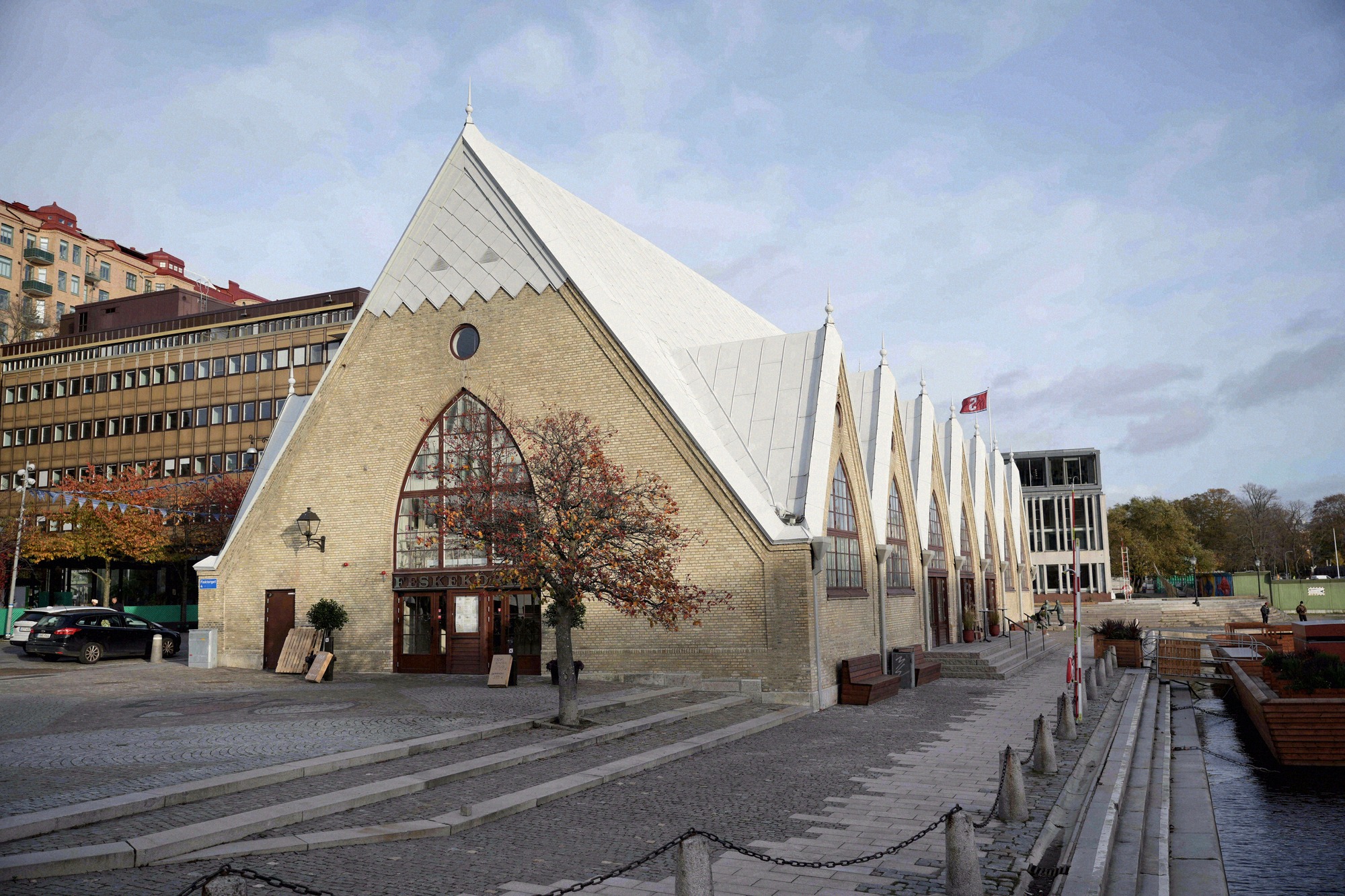
Feskekôrka
Feskekôrka, Gothenburg's fish church, is a market hall shaped like a neo-Gothic church, fresh fish at the stalls and restaurants on the Rosenlundskanal.